

Your smartphone knows more about you than your closest friend. It holds your banking apps, private messages, photos, location history, and passwords to nearly everything you do online. So when something feels "off" with your device, that nagging thought — is my phone hacked? — deserves real attention, not dismissal.
The tricky part is that phone hacking rarely announces itself with flashing red lights. Most compromises are quiet. A slightly hotter battery here, an unfamiliar app there. This guide walks you through the real warning signs, explains how attackers actually get in, and shows you what to do about it — including how tools like AVO Security can catch problems before they spiral out of control.
Common Signs Your Phone Has Been Hacked
1. Your Battery Drains Unusually Fast
If your phone used to last all day and now struggles to make it past lunch, that's worth noticing. Malicious apps often run in the background, constantly transmitting data or mining resources, which burns through battery life far faster than normal usage. One bad day isn't proof of anything, but a sudden, sustained drop is a classic symptom people report when asking has my phone been hacked.
2. Your Data Usage Spikes Without Explanation
Spyware and malware typically need to send the information they collect somewhere, and that requires data. If your monthly data usage jumps significantly without a change in your habits — no extra streaming, no new apps you're actively using — something in the background may be quietly uploading your information.
3. Strange Pop-Ups and Ads Appear
A sudden flood of ads, especially outside your browser, is a strong signal of adware or malicious software. Many people specifically search for an iphone hacked pop up because this is one of the more visible and unsettling symptoms — pop-ups appearing even when you're not browsing the internet, or notifications for apps you never installed.
4. Apps You Don't Recognize
Take a few minutes to scroll through your full app list. If you spot something unfamiliar, it's not automatically malicious — but it's not something to ignore either. Some malware disguises itself with generic names like "System Update" or "Device Helper" to avoid suspicion.
5. Your Phone Feels Sluggish or Overheats
Everyday phone virus activity often shows up as performance issues: apps crashing, your device running hot even when idle, or noticeable lag when switching between screens. While aging hardware can cause similar symptoms, a healthy phone shouldn't overheat during light use.
6. Unexpected Texts, Calls, or Account Activity
If contacts mention receiving strange messages from your number, or you notice login attempts on accounts you didn't initiate, treat it seriously. This is often one of the clearest indicators that your iphone has been hacked or that your Android device has been compromised at the account level, not just the device level.
Can an iPhone Be Hacked?
A common myth is that iPhones are immune to hacking. The honest answer to can an iphone be hacked is yes — while iOS's closed ecosystem makes it harder than Android, it is not impossible. Phishing links, malicious configuration profiles, compromised Wi-Fi networks, and sophisticated spyware have all been used to target iPhones. So if you're wondering is my iphone hacked, don't assume you're automatically safe just because of the brand.
Does My Phone Have a Virus? How to Check
If you're asking yourself does my phone have a virus, here's a quick self-check:
- Review your list of installed apps for anything unfamiliar
- Check your browser for extensions or homepage changes you didn't make
- Monitor your data and battery usage over a few days
- Look at your device's permission settings — does a flashlight app really need access to your contacts and microphone?
- Check for unusual account login alerts from your email or social media providers
Manual checks help, but they only go so far. This is where dedicated security tools become genuinely useful rather than optional. AVO Security offers a Smart Scan feature that automatically inspects your device for malicious apps, unsafe configurations, and behavior patterns consistent with malware — catching issues that are easy to miss with the naked eye.
How Phones Actually Get Hacked
Understanding the entry points helps you close them:
- Malicious links and phishing — Clicking a link in a text, email, or social media message that installs malware or steals credentials
- Unsecured public Wi-Fi — Connecting to open networks at cafes or airports lets attackers intercept unencrypted traffic
- Fake or malicious QR codes — Scanning a QR code that redirects to a spoofed login page or triggers a download
- Compromised apps — Downloading apps from outside official app stores, or legitimate-looking apps riddled with hidden trackers
- Data breaches — Your email or password being exposed in a third-party breach, which attackers then use to access your accounts
How to Protect Your Phone From Being Hacked
Strengthen Your Wi-Fi Habits
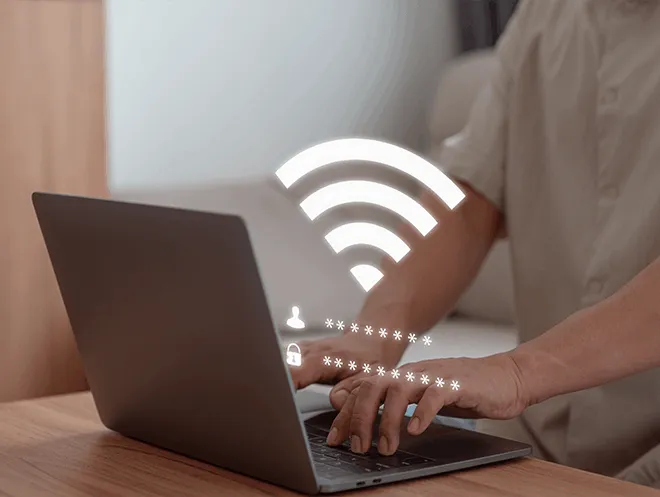
Public Wi-Fi networks are a favorite hunting ground for attackers because traffic on them is often unencrypted. Strong Wifi Security practices — avoiding sensitive logins on public networks, checking network legitimacy, and using protective tools — significantly reduce your exposure. AVO Security includes Wifi Security monitoring that flags unsafe or suspicious networks before you connect.
Use a VPN on Public Networks
A VPN encrypts your internet traffic, making it far harder for anyone snooping on a shared network to intercept your data. If you regularly work from coffee shops, airports, or hotels, running a VPN isn't optional anymore — it's basic hygiene.
Verify Links Before You Click
Phishing remains one of the most effective hacking methods precisely because it targets human trust rather than technical flaws. A built-in Link Checker — like the one included in AVO Security — scans URLs before you open them, warning you if a link leads to a known malicious or spoofed site.
Scan QR Codes Safely
QR codes have become a popular attack vector because people trust them without a second thought. A dedicated QR Scanner with built-in safety checks can verify where a code actually leads before your browser opens it, protecting you from malicious redirects hidden behind an innocent-looking square.
Monitor for Data Breaches
Your credentials might already be circulating on the dark web without your knowledge. An Email Breach Scan checks whether your email address has appeared in known data leaks, giving you a head start on changing passwords before attackers can use them against you. AVO Security runs this kind of scan to alert you the moment your information shows up somewhere it shouldn't.
Browse With a Safety Net
A Web Sheld — a real-time web protection layer — blocks access to malicious or fraudulent websites before they load, adding another barrier between you and phishing pages or drive-by malware downloads.
Set Up Parental Controls for Family Devices
If children use devices in your household, Parental Controls help manage screen time, filter inappropriate content, and reduce their exposure to scams and malicious links that are often designed to exploit less cautious users.
What to Do If You Suspect Your Phone Is Hacked
If you've gone through the checks above and still feel like my phone is hacked, take these steps:
- Disconnect from the internet — Turn off Wi-Fi and mobile data to stop any ongoing data transmission
- Run a full security scan — Use a trusted tool like AVO Security's Smart Scan to identify malicious apps or files
- Update your operating system — Manufacturers patch known vulnerabilities regularly; outdated software is an open door
- Remove suspicious apps — Uninstall anything you don't recognize or trust
- Change your passwords — Especially for email, banking, and any account tied to your phone number
- Enable two-factor authentication — Add a second layer of protection even if your password is compromised
- Factory reset as a last resort — If problems persist, a clean reset (after backing up trusted data) removes deeply embedded threats
Final Thoughts
Wondering phone hacked doesn't have to turn into constant anxiety. Most compromises leave detectable traces — unusual battery drain, unexpected data usage, strange pop-ups, or unfamiliar apps — and catching them early makes all the difference between a minor inconvenience and a serious breach.
Rather than relying purely on guesswork, building good habits around Wi-Fi safety, link verification, and regular scanning goes a long way. AVO Security brings these protections together in one place, combining Smart Scan, Web Sheld, Wifi Security, VPN, QR Scanner, Email Breach Scan, Parental Controls, and Link Checker into a single, straightforward safety net for your phone. Staying protected doesn't need to be complicated — it just needs the right tools working quietly in the background, watching for the threats you might otherwise miss.





















Sign in to leave a comment.