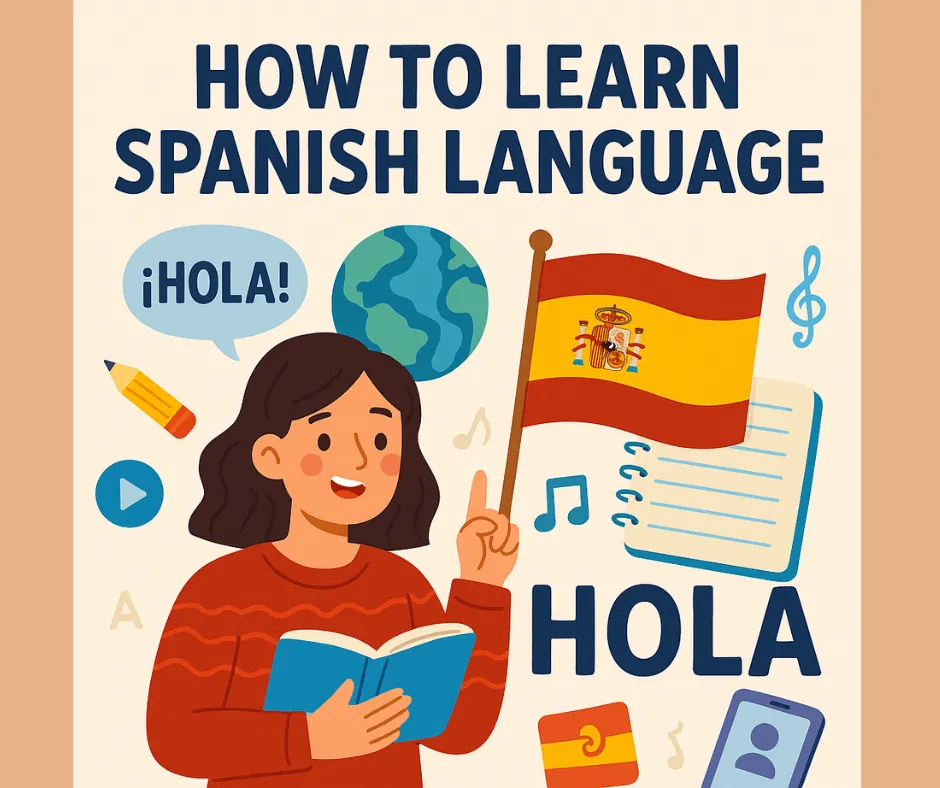

Spanish is the third most widely spoken language in the world. It is spoken across millions of people in Europe, North America, South America and many more. When studying Spanish, Seek New Opportunities More chances make better career prospects Does it even matter? The upside is that Spanish has one of the most straightforward pronunciations and grammar rules to learn in foreign languages, making it an easy language for English speakers.
Here, you will learn how to basically learn Spanish if you are at the beginning level and wondering where do I get going? You can learn the language step-by-step and confidently if you stick to this method.
Why Learn Spanish?
Spanish is the official language of over 20 countries and one of the most powerful languages worldwide. Spanish is also a skill that can potentially open doors abroad, since many global leaders are looking for employees fluent in Spanish.
In addition to professional advantages, mastery of Spanish tells you can now enjoy Spanish films, music, literature and cultural traditions better in their own right. It also assist travelers easily communicate more effectively when traveling to popular spanish speaking countries globally.
Begin with the Spanish Alphabet and its Pronunciation
Step 1 : Learning the Alphabet & Basic Pronunciation Spanish uses the same alphabet type as English with some slight pronunciation differences.
The great thing about Spanish is that words are generally pronounced how they are spelled. This will get you reading and speaking correctly from the start, as it teaches you how each letter sounds. Listen to the sounds of native speakers and repeat them until they feel natural.
Spending time each day to practice pronunciation can lead you to build your confidence and eventually have conversations more easily later on during your journey.
Build a Strong Vocabulary Foundation
Vocabulary is the basis of any language. The first step is to learn common words and phrases used in everyday conversations.
Focus on topics such as:
- Greetings and introductions
- Numbers and dates
- Family members
- Food and drinks
- Colors and shapes
- Common verbs and adjectives
If you learn some new words each and every day, you can build your base in the long run. Flashcards, language applications and vocabulary notebooks, help to memorize them better.
Learn Basic Spanish Grammar
Grammar gives you the structure with which to put sentences together properly. At first, Spanish grammar can seem a little difficult but once you understand the basics it will make communication a breeze!
Begin with:
- Personal pronouns
- Present tense verbs
- Gender of nouns
- Singular and plural forms
- Simple sentence construction
You should not panic if you do not catch up with advanced grammar right away. Start just learning (very basic) Sentences and work from there.
Practice Listening Skills Regularly
Listening is an integral component of learning a language. It allows you to learn pronunciation, sentence structure, and how conversation naturally flows.
The way to improve your listening is:
- Watching Spanish videos
- Listening to Spanish podcasts
- Following Spanish-language news
- Watching movies with subtitles
While you may not understand everything at first that is wholly normal. Your brain gets more comfortable with understanding words and phrases when you expose it consistently to the language.
Develop Speaking Confidence
Novice-learners often know Spanish—but feel afraid to speak because they fear making mistakes! On the other hand, you need speaking practice for language acquisition.
Use Spanish for a couple of minutes everyday if you can. It could be practice your introduction, narrate your day or explain simple things.
Practicing with someone is really important, language exchange partners can help you or online conversation groups or take a tutor. Note that mistakes are part of the process of learning and make you improve faster.
Improve Your Reading Skills
Reading is one more efficient method of learning vocabulary and contextualizing grammar.
Beginners can start with:
- Children's books
- Short stories
- Simple news articles
- Spanish learning blogs
By reading regularly, you keep opening yourself to new words and sentences structures while consolidating what you already know.
Therefore, always pick the content appropriate to your own level so reading will be enjoyable rather than overwhelming.
Practice Writing in Spanish
Writing makes the grammar, vocabulary, and sentence construction better. It promotes active use of the language compared to passive recognition.
You can practice by:
- Keeping a daily journal
- Writing short paragraphs
- Writing Spanish social media posts
- Describing pictures or events
Once your skills are more advanced, try writing longer texts and then requesting feedback from native speakers or teachers.
Use Technology to Support Learning
Although modern technology has made it easier than ever to learn a new language. These mobile applications, online courses and virtual tutors make it easy for people to learn Spanish at their own pace and from anywhere.
The use of interactive lessons, quizzes and proper speech recognition tools can make the most boring studies more enjoyable yet effective. Learners can also learn in a structured manner while embracing growth at their own pace on online learning platforms.
Immerse Yourself in Spanish Culture
There a lot of inter connection in language and culture. If your aim is to make things more fun, learning the cultures of Spanish speakers can help.
Explore:
- Spanish music
- Traditional foods
- Cultural festivals
- Historical landmarks
- Literature and films
Cultural immersion connects a learner to the real life situations to make them understand usage in context of how they would use, while also keeping motivation up through their learning.
Create a Consistent Learning Routine
One of the biggest factors that contributes to language learning success is consistency. Usually, just a few short 10-15 min study sessions each day would be far more effective than having a long 2–3 hours on one single take.
Make sure to set reachable goals, and each day practice a few language skills. Your balance could be a combination of: vocabulary study, listening practice, reading, speaking and writing.
Short, sharp steps are better than trying to learn everything at once.
Track Your Progress
Tracking your progress helps you stay on track. Develop sub-goals such as learning a few words, finishing one lesson or conducting a short conversation.
When you hit milestones along the way, celebrate in small bits. Every new word you learn, every conversation completed brings you that much closer to fluency.
A systematic approach is likely to help you reach the core competencies that your learning experience covers major skills – skills necessary to communicate in a fluent way. This makes it possible for a complete how to learn spanish language experience.
Conclusion
If you think that learning Spanish sounds like the hard thing, then you feel wrong but slowly. You must first focus on improving your pronunciation, expanding your vocabulary, understanding some basic grammar and then practicing listening, speaking, reading, and writing regularly. Thereupon, you combine this with the cultural exposure and frequent study routines for a strong groundwork for continual success.
It is only with practice, commitment and perseverance that you will learn Spanish but ultimately it can be your gateway to the many personal, academic and professional benefits of speaking one of the most spoken languages in the world. If it is for travel, career or cultural reasons, learning Spanish is a good investment in your future that will pay dividends for years to come.



























Sign in to leave a comment.