

Whether you’re dressing for work, a wedding, or a formal event, the right approach can instantly elevate your presence. This guide will help you understand how to look good in a suit every time, from choosing the right cut to wearing it with genuine confidence.
1. Start With the Right Fit
A great suit begins with proper fit. Even expensive suits look average if they don’t sit well on your body.
- Shoulders should lie flat without dents or divots.
- Sleeve length must show a little shirt cuff—about half an inch.
- The jacket should lightly hug your torso, not pull or hang.
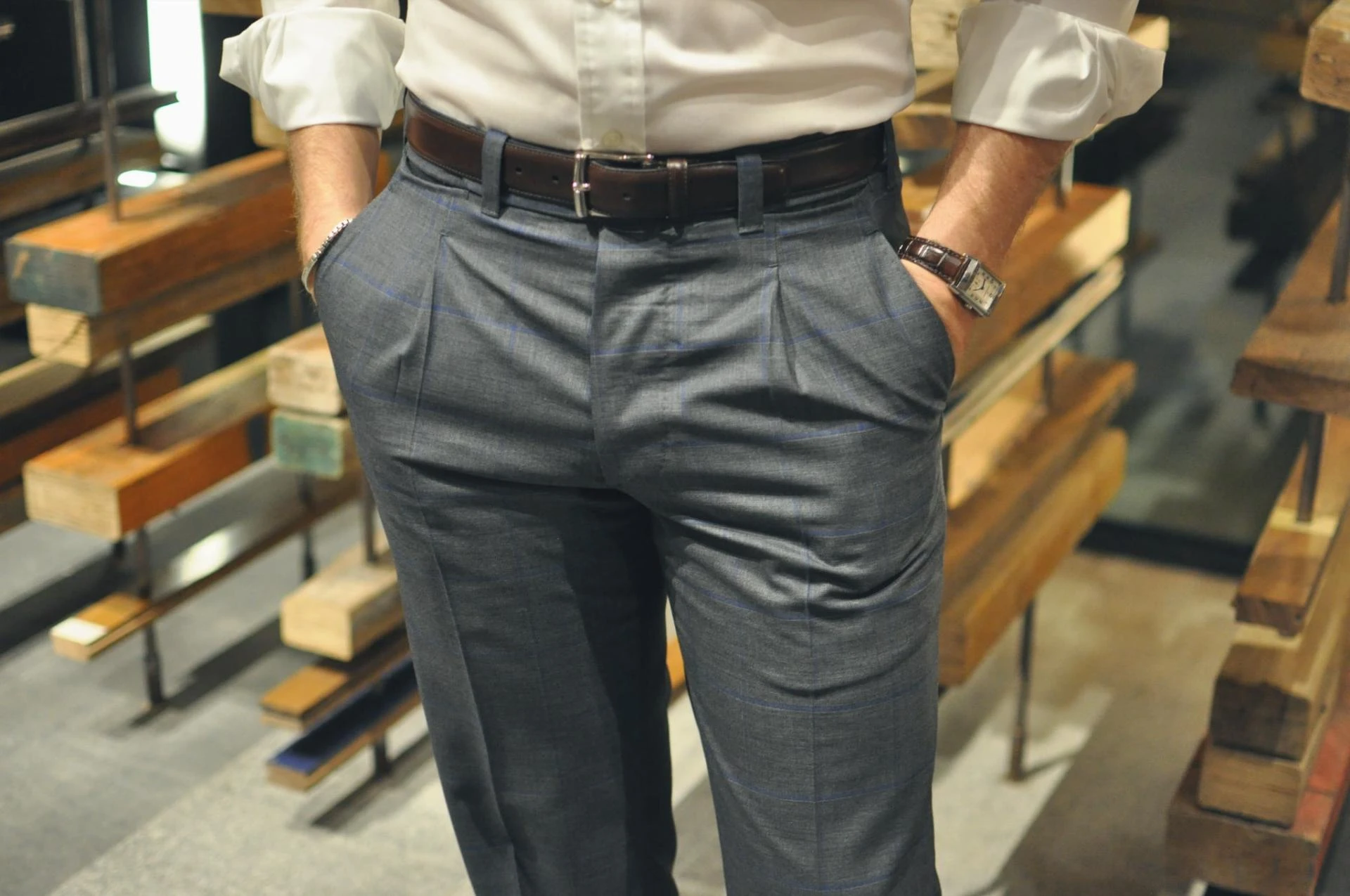
- Trouser length should have a clean break or a slight taper, depending on your preference.
Fit is the foundation of suiting. Without it, no styling trick can save the look.
2. Elevate Your Suit With Custom Tailoring
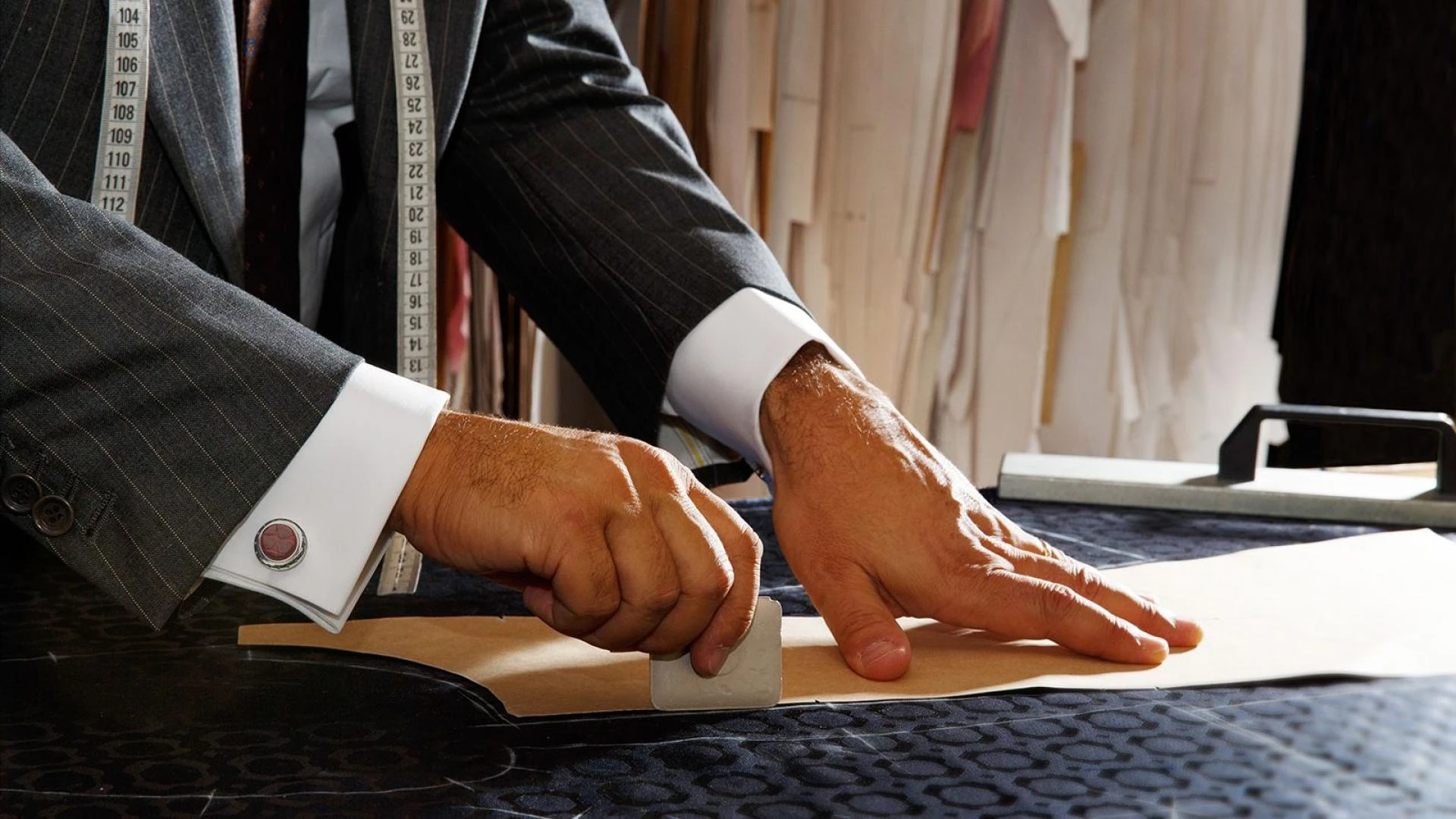
For the most refined look, consider investing in a bespoke suit. Custom construction ensures your unique body shape, posture, and preferences are all taken into account. Many professionals prefer bespoke tailored suits because they deliver in both comfort and precision—qualities that ready-made suits cannot match.
Working with the best suit tailor helps you choose the right fabric, lapel style, lining, and silhouette. These details come together to create a piece that truly reflects your personality.
3. Pick the Right Suit for the Occasion
Not every suit works everywhere. Understanding suits for different occasions helps you dress appropriately without losing style.
- Corporate meetings: Stick to navy, charcoal, or grey with minimal patterns.
- Weddings: Light colours or subtle textures work beautifully, depending on daytime or evening settings.
- Parties or events: Experiment with bolder colours, satin lapels, or patterned jackets.
- Formal ceremonies: Black suits or tuxedo-inspired details are ideal.
The right choice sets the tone and instantly enhances your presence.
4. Pay Attention to Shirt and Tie Coordination
A suit looks incomplete without a well-tailored shirt and tie pairing.
Keep these principles in mind:
- Light shirts pair better with dark suits.
- Patterns should complement—not clash.
- Choose ties that contrast slightly with your shirt for definition.
- Ensure the tie width matches the lapel width for harmony.
Good coordination adds depth and visual polish to your outfit.
5. Choose the Right Shoes and Accessories
Shoes can make or break your suit. Always match leather accessories—belt, watch strap, and shoes—for consistency.
Best shoe choices for suits include:
- Black Oxfords for formal and evening events
- Brown Derbies or brogues for business or smart-casual wear
- Loafers for modern, semi-formal settings
Accessories like a pocket square, elegant watch, or tie bar add personality without overwhelming the outfit.
6. Practice Good Suit Care
Proper care of the suit ensures your suit maintains its shape and elegance for years.
- Hang it on wide-shoulder hangers.
- Avoid frequent dry cleaning—steam instead.
- Rotate suits to prolong lifespan.
- Store them in breathable garment bags.
Well-maintained suits always look crisp and professional.
Final Thoughts
Looking good in a suit is about more than expensive fabrics. It’s a balance of great fit, smart styling, and genuine confidence. Whether you rely on ready-made options or prefer working with the best suit tailor, understanding what flatters your body and suits your personality will always set you apart. With the right approach, every suit you wear becomes a statement of sophistication and character.





















Sign in to leave a comment.