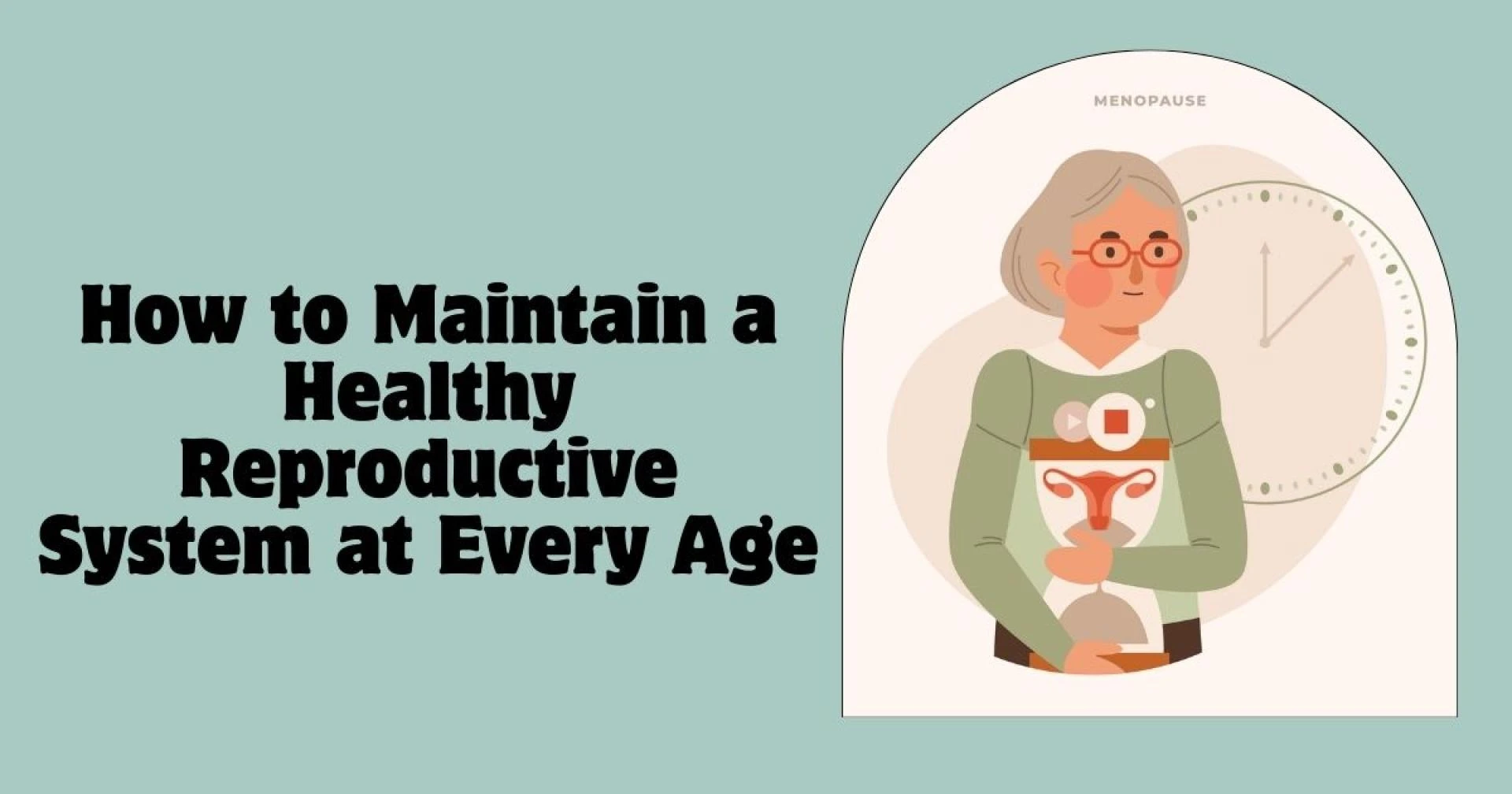

A woman’s reproductive health plays a powerful role in her overall well-being, hormonal balance, fertility, and long-term quality of life. Each stage of life brings unique changes, challenges, and care needs, making it essential to understand how to support your reproductive system at every age. Whether you are managing menstrual cycles, planning a pregnancy, transitioning through menopause, or simply staying proactive about your health, the guidance of an Expert Women’s Health Doctor in Raleigh can help you navigate every phase with confidence and clarity.
1. Reproductive Health in Your Teens and Early 20s
The teenage years and early 20s lay the foundation for lifelong reproductive wellness. During this period, hormonal changes regulate menstruation, sexual maturity, and fertility potential.
A. Understand Your Menstrual Cycle
Regular periods indicate hormonal balance. Irregular, heavy, or extremely painful cycles may point to underlying issues such as PCOS, thyroid disorders, or endometriosis. Early evaluation helps prevent long-term complications.
B. Adopt Healthy Hygiene Habits
Washing the vaginal area with mild, fragrance-free products, avoiding harsh chemicals, and wearing breathable cotton underwear help maintain the natural pH balance and prevent infections.
C. Vaccination and Prevention
The HPV vaccine is recommended during this phase to reduce the risk of cervical cancer and genital warts. Safe sex practices—including condom use—protect against sexually transmitted infections (STIs), which can impact fertility later in life.
2. Reproductive Health in Your Late 20s and 30s
This stage often involves family planning, career demands, and lifestyle transitions. Hormonal changes can become more noticeable, and reproductive health requires thoughtful monitoring.
A. Prioritize Regular Gynecological Checkups
Pap smears, pelvic exams, and breast checks help detect early abnormalities. Early diagnosis ensures better treatment outcomes and prevents advanced complications.
B. Maintain a Balanced Diet
Nutrients like folic acid, iron, calcium, Omega-3s, and Vitamin D support reproductive health, hormonal regulation, and fertility. A diet rich in fruits, vegetables, whole grains, nuts, and lean proteins ensures that your endocrine system functions optimally.
C. Manage Stress and Sleep
High levels of stress can disrupt hormones and menstrual cycles. Prioritizing sleep, practicing mindfulness, yoga, or meditation, and creating boundaries at work help stabilize your reproductive system.
D. Family Planning and Fertility Awareness
If you are trying to conceive, monitoring ovulation, understanding fertile windows, and checking ovarian reserve (AMH levels) may help. For women not planning pregnancy, reliable contraception can prevent unplanned pregnancies and protect the uterus from excessive strain.
3. Reproductive Health in Your 40s
As women enter their 40s, perimenopause may begin. This transitional phase often brings hormonal fluctuations that affect reproductive and overall health.
A. Recognize Perimenopause Symptoms
Irregular cycles, hot flashes, mood swings, and sleep disturbances are common signs. Early recognition allows for better management through lifestyle adjustments, hormone therapy (if needed), and proper medical care.
B. Continue Screening Tests
Pap smears, mammograms, pelvic ultrasounds, and hormonal evaluations become even more important during this decade, as the risk of reproductive cancers slightly increases.
C. Support Bone and Heart Health
Estrogen levels begin to decline, affecting bones and cardiovascular health. Weight-bearing exercises, calcium-rich foods, and vitamin D supplementation help prevent osteoporosis and improve long-term wellness.
4. Reproductive Health in Your 50s and Beyond
Menopause marks the end of a woman’s reproductive years, but maintaining reproductive organ health remains essential.
A. Managing Menopause Symptoms
Hot flashes, vaginal dryness, and mood changes are common. Hormone replacement therapy, vaginal moisturizers, or non-hormonal medications may help improve comfort and quality of life.
B. Pelvic Floor Health
Factors such as childbirth, aging, and hormonal changes can weaken the pelvic floor, leading to urinary incontinence or prolapse. Pelvic floor exercises, physical therapy, and strengthening routines can offer significant improvement.
C. Ongoing Wellness and Monitoring
Even after menopause, regular gynecological exams are important to monitor for cervical abnormalities, ovarian cysts, fibroids, or other changes that may develop with age.
5. Lifestyle Habits for a Healthy Reproductive System at Any Age
Regardless of your life stage, these essential habits support lifelong reproductive wellness:
A. Stay Physically Active
Exercise boosts hormonal balance, improves blood circulation to reproductive organs, and maintains healthy body weight.
B. Maintain a Healthy Weight
Obesity increases the risk of PCOS, infertility, fibroids, and menstrual irregularities. Achieving a balanced weight supports normal hormonal function.
C. Avoid Smoking and Excessive Alcohol
Both can affect fertility, ovarian health, and hormone levels while increasing the risk of reproductive cancers.
D. Prioritize Emotional Well-Being
Mental and hormonal health are deeply connected. Stress-reducing practices significantly support reproductive balance.
Conclusion
Reproductive health evolves through every stage of a woman’s life. From managing menstrual cycles to navigating menopause, each age brings its own needs and considerations. By prioritizing regular checkups, maintaining a balanced lifestyle, managing stress, and staying informed, women can protect their reproductive health and enjoy greater overall well-being. For personalized guidance and age-specific care, connecting with a Trusted women’s health doctor in Raleigh ensures comprehensive support at every phase of your journey.































Sign in to leave a comment.