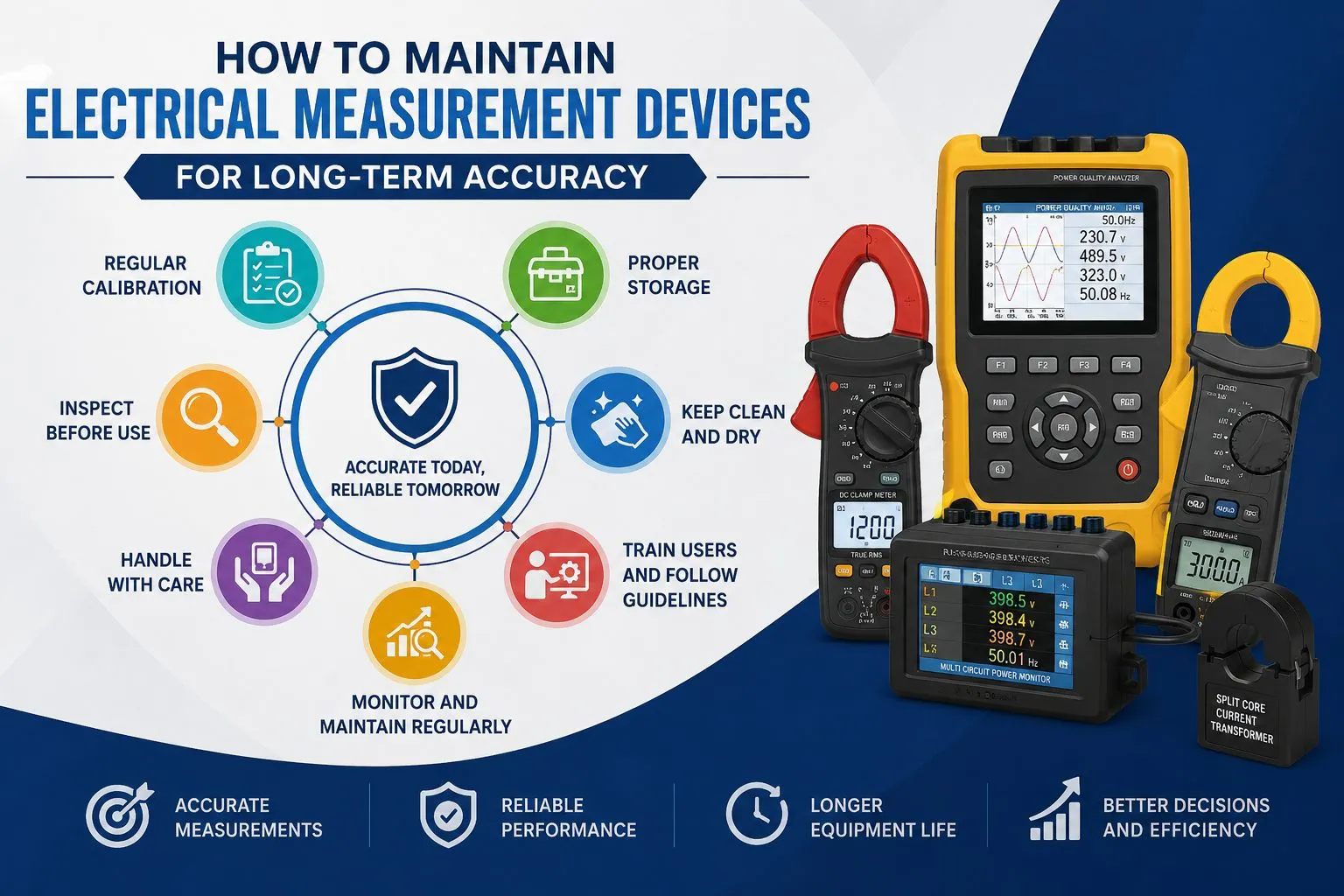

Accurate measurements are essential for electrical safety, energy management, equipment performance, and operational efficiency. Whether used in industrial facilities, commercial buildings, renewable energy projects, or maintenance operations, electrical measurement devices provide the data needed to make informed decisions. However, even high-quality instruments can lose accuracy over time if they are not properly maintained.
Factors such as environmental conditions, improper handling, component wear, and calibration drift can affect measurement reliability. A proactive maintenance strategy not only extends the lifespan of equipment but also ensures that measurements remain accurate and consistent. By following a few best practices, businesses can protect their investment and improve the reliability of their electrical monitoring systems.
Why Measurement Accuracy Matters
Accurate electrical measurements are critical for identifying system issues, monitoring energy consumption, and maintaining compliance with industry standards. Even small measurement errors can lead to incorrect diagnostics, inefficient operations, increased energy costs, and unnecessary downtime.
As organizations continue to adopt advanced monitoring technologies, maintaining accuracy becomes even more important. Equipment such as power quality monitors and energy monitoring systems rely on precise data to identify power disturbances, track consumption patterns, and support efficiency initiatives. When measurement devices deliver reliable readings, businesses can make better decisions and reduce operational risks.
Establish a Preventive Maintenance Routine
One of the most effective ways to maintain long-term accuracy is to implement a structured maintenance program. Rather than waiting for equipment to fail or produce inconsistent readings, organizations should schedule routine inspections and performance checks.
A preventive maintenance routine helps identify potential issues before they affect measurement quality. This may include checking connections, inspecting sensors, reviewing system performance, and documenting maintenance activities. Regular inspections also make it easier to detect wear and tear that could compromise measurement accuracy over time.
Prioritize Regular Calibration
Calibration is a fundamental aspect of maintaining electrical measurement devices. Over time, internal electronic components can drift from their original specifications, causing readings to become less accurate. Even minor deviations can affect energy reporting, troubleshooting efforts, and system analysis.
Following a consistent calibration schedule helps ensure that instruments continue to perform within their specified accuracy ranges. The frequency of calibration may vary depending on the device, application, and operating environment. Equipment used frequently or in demanding conditions may require more frequent verification.
Organizations that rely on detailed monitoring data should pay particular attention to calibration practices, especially when using advanced monitoring equipment to analyze system performance and energy consumption.
Protect Equipment from Environmental Conditions
Environmental factors are among the most common causes of measurement inaccuracies. Excessive heat, moisture, dust, vibration, and electromagnetic interference can all affect the performance of sensitive electronic instruments.
To minimize these risks, equipment should be stored and operated in environments that meet manufacturer recommendations. Protective cases can help prevent damage during transportation, while clean and dry storage areas reduce exposure to contaminants. In industrial settings, proper installation practices can further protect equipment from harsh operating conditions.
Maintaining a stable environment is especially important for monitoring systems that operate continuously and collect long-term performance data.
Inspect Sensors, Transformers, and Connections
The accuracy of a measurement system depends not only on the instrument itself but also on the components connected to it. Loose connections, damaged wiring, or improperly installed sensors can introduce errors that affect overall system performance.
For example, systems that utilize a split core current transformer should be inspected regularly to ensure secure installation and proper conductor placement. Physical damage, excessive heat, or loose mounting can negatively impact measurement accuracy.
Routine inspections should also include communication cables, terminals, and connectors. Addressing minor issues early can prevent larger problems and maintain reliable system operation.
Maintain Data Collection Systems
Accurate data collection is essential for energy analysis, load studies, and performance monitoring. Organizations often rely on a current data logger to capture electrical information over extended periods and identify trends that may not be visible during spot measurements.
To ensure dependable performance, data logging equipment should be checked regularly for battery health, memory capacity, firmware updates, and sensor integrity. Verifying that recorded data aligns with expected operating conditions can also help identify potential issues before they impact reporting accuracy.
Well-maintained data collection systems provide more reliable information for operational planning and energy management initiatives.
Keep Monitoring Systems Operating Efficiently
Modern facilities often use sophisticated monitoring equipment to gain greater visibility into electrical performance. A multi circuit power monitor, for example, allows organizations to track multiple electrical circuits simultaneously and identify opportunities for efficiency improvements.
To maintain accurate monitoring results, users should periodically verify system configurations, inspect associated sensors, and review communication networks. Software settings should also be checked to ensure that monitoring parameters align with operational requirements.
Routine performance reviews help ensure that monitoring systems continue to provide meaningful and accurate insights.
Handle Portable Instruments with Care
Portable measurement devices are frequently exposed to challenging working environments, making proper handling essential. Instruments that are dropped, exposed to moisture, or stored improperly may experience reduced accuracy or physical damage.
When using a direct current clamp meter or similar handheld testing equipment, technicians should inspect the device before use, keep sensing surfaces clean, and store the instrument in a protective case when not in operation. Regular visual inspections can help identify signs of wear that may affect performance.
Proper handling practices not only improve measurement reliability but also extend equipment lifespan.
Address Power Quality Issues
Electrical disturbances can influence both system performance and measurement accuracy. Harmonic distortion, voltage fluctuations, and other power quality issues may affect sensitive equipment and create challenges for monitoring systems.
In facilities with significant non-linear loads, an active harmonic filter can help reduce harmonic distortion and improve overall power quality. Maintaining these systems according to manufacturer recommendations supports more stable electrical conditions and enhances the reliability of measurement data.
Regular assessments of power quality can also help organizations identify emerging issues before they impact equipment performance or operational efficiency.
Invest in User Training
Even the most advanced measurement equipment can produce inaccurate results if it is used incorrectly. Proper training ensures that technicians understand measurement procedures, safety requirements, equipment limitations, and maintenance best practices.
Training programs should include guidance on calibration awareness, data interpretation, proper storage, and routine inspections. Well-trained personnel are more likely to recognize potential problems and take corrective action before measurement accuracy is affected.
Investing in user education ultimately supports both equipment reliability and workplace safety.
Looking for Reliable Electrical Measurement Solutions?
Maintaining electrical measurement devices is essential for ensuring consistent accuracy, improving operational efficiency, and extending equipment lifespan. From routine calibration and proper storage to regular inspections and user training, a proactive maintenance approach helps prevent costly errors and supports informed decision-making.
Whether you're using power quality monitors to analyze system performance, a current data logger to track energy usage, a multi circuit power monitor for facility-wide monitoring, or a direct current clamp meter for troubleshooting, reliable equipment and proper maintenance go hand in hand. Components such as a split core current transformer and solutions like an active harmonic filter also play an important role in maintaining accurate measurements and improving overall power quality.
For businesses and professionals seeking dependable electrical monitoring and testing solutions, CHK SHOP offers a wide range of high-quality instruments designed to support accurate measurements, energy management, and long-term system reliability.



























Sign in to leave a comment.