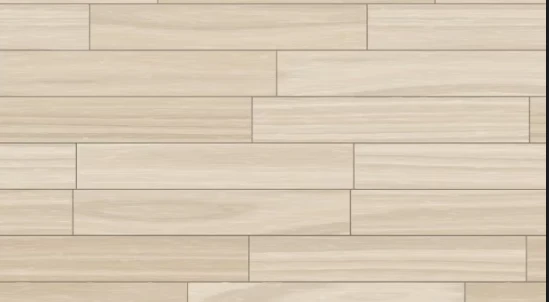

How to Maintain Parquet Flooring for Long-Lasting Beauty
In the world of high-end interior design, few elements rival the timeless elegance of Parquet Flooring. Its intricate geometric patterns and natural warmth transform a standard room into a masterpiece of craftsmanship. However, as we move through 2026, homeowners are realizing that the longevity of these floors isn't just about the quality of the wood it’s about a disciplined approach to maintenance tailored to modern environmental challenges.
Maintaining wood floors requires a blend of traditional care and new-age technology, especially in high-performance markets like the Middle East. This guide provides a comprehensive blueprint for preserving your floor's luster, ensuring it remains a centerpiece of your home for decades.
The Foundation of Care: Climate and Humidity Control
Parquet is a "living" material. Even after it is cut and finished, the wood continues to respond to the atmosphere around it. In 2026, the biggest threat to internal wood structures is not wear and tear, but fluctuating indoor climates.
Regulating the "Breath" of the Wood
Wood expands when it absorbs moisture and contracts when it dries out. To prevent "gapping" (cracks between blocks) or "cupping" (warped edges), you must maintain a consistent indoor environment.
- The Ideal Range: Aim for a relative humidity level between 35% and 55%.
- Smart Monitoring: Modern homeowners now use smart hygrometers integrated with their HVAC systems to ensure that Flooring Dubai remains stable even during the humid summer months or the dry, air-conditioned winter nights.
- Avoid Sudden Shifts: Never turn off your air conditioning entirely while traveling. Set it to a "Home" or "Economy" mode to prevent a moisture surge that could buckle the delicate parquet tiles.
Daily and Weekly Cleaning Protocols
The secret to a floor that looks new for 20 years is preventing the "Sandpaper Effect." Fine dust and grit act as an abrasive, slowly grinding away the protective finish every time you walk across the room.
The Gentle Approach
- Dust Removal: Sweep or vacuum daily using a soft-brush attachment. Avoid vacuums with a "beater bar" or stiff plastic bristles, which can leave micro-scratches.
- The Damp Mop Rule: Never use a dripping wet mop. Water is the primary enemy of wood. Use a microfiber mop that is only slightly damp if the floor takes more than two minutes to dry, you are using too much water.
- Specialized Cleaners: Avoid "all-purpose" cleaners, bleach, or vinegar. These can strip the oils and waxes from the wood. Instead, use a pH-neutral cleaner specifically formulated for Parquet Flooring to maintain the integrity of the sealant.
Protecting Against Mechanical Damage
Even the hardest woods, like oak or walnut, are susceptible to dents and scratches from furniture and footwear.
Preventive Shielding
- Furniture Pads: Attach high-quality felt pads to the legs of all chairs, tables, and sofas. In 2026, "heavy-duty" adhesive pads are the standard, but they must be checked and replaced every six months as they collect grit.
- The "No-Heels" Policy: Stiletto heels can exert a pressure of over 2,000 PSI, enough to dent even the toughest timber. Implement a "shoes-off" policy or provide soft-soled slippers for guests.
- Pet Care: If you have pets, keep their claws trimmed. A playful dog can do more damage to a parquet floor in five minutes than a decade of human foot traffic.
Sunlight and UV Management
Just as the sun damages skin, UV rays cause wood to "photo-oxidize," leading to fading or dark discoloration.
- Window Treatments: Use UV-protective window films or sheer curtains to diffuse direct sunlight during peak hours.
- Furniture Rotation: Occasionally, rearrange your rugs and furniture. This ensures that the floor "ages" evenly, preventing the bright, unfaded patches that appear when you finally move a sofa after five years.
Professional Maintenance Milestones
While daily care is up to you, certain tasks require the precision of specialized Flooring Dubai professionals.
The Refurbishment Timeline
- Re-Oiling/Waxing (Every 1–2 Years): If your floors have a natural oil finish, they need a "refresh" coat to replenish the wood's deep fibers and maintain its water-resistant properties.
- Screening and Recoating (Every 5–7 Years): This involves lightly scuffing the top layer of the finish and applying a new topcoat. This "refreshes" the shine without the need for heavy sanding.
- Full Sand and Refinish (Every 15–20 Years): For deep scratches or significant wear, the floor is sanded down to raw wood and completely re-sealed. This can usually only be done 2–3 times in a floor’s lifetime, so preserve the wood through better daily care!
2026 Maintenance Reference Table
| Activity | Frequency | Tool/Material |
| Dry Dusting | Daily | Microfiber Mop or Soft Vacuum |
| Damp Mopping | Weekly | pH-Neutral Wood Cleaner |
| Checking Felt Pads | Every 6 Months | Heavy-Duty Felt |
| Professional Polishing | Annually | Professional Buffing Tool |
| Deep Inspection | Bi-Annually | Moisture Meter / Visual Check |
Conclusion: A Legacy Underfoot
Maintaining parquet is not a chore; it is an act of preservation for one of your home's most valuable assets. By controlling your indoor climate, using the correct cleaning tools, and scheduling periodic professional check-ups, you ensure that your floors remain as vibrant and welcoming as the day they were installed.
In 2026, luxury is no longer just about what you buy it is about how well you care for it. Your parquet floor is a testament to timeless style, and with the right attention, it will continue to tell its story for generations to come.

























Sign in to leave a comment.