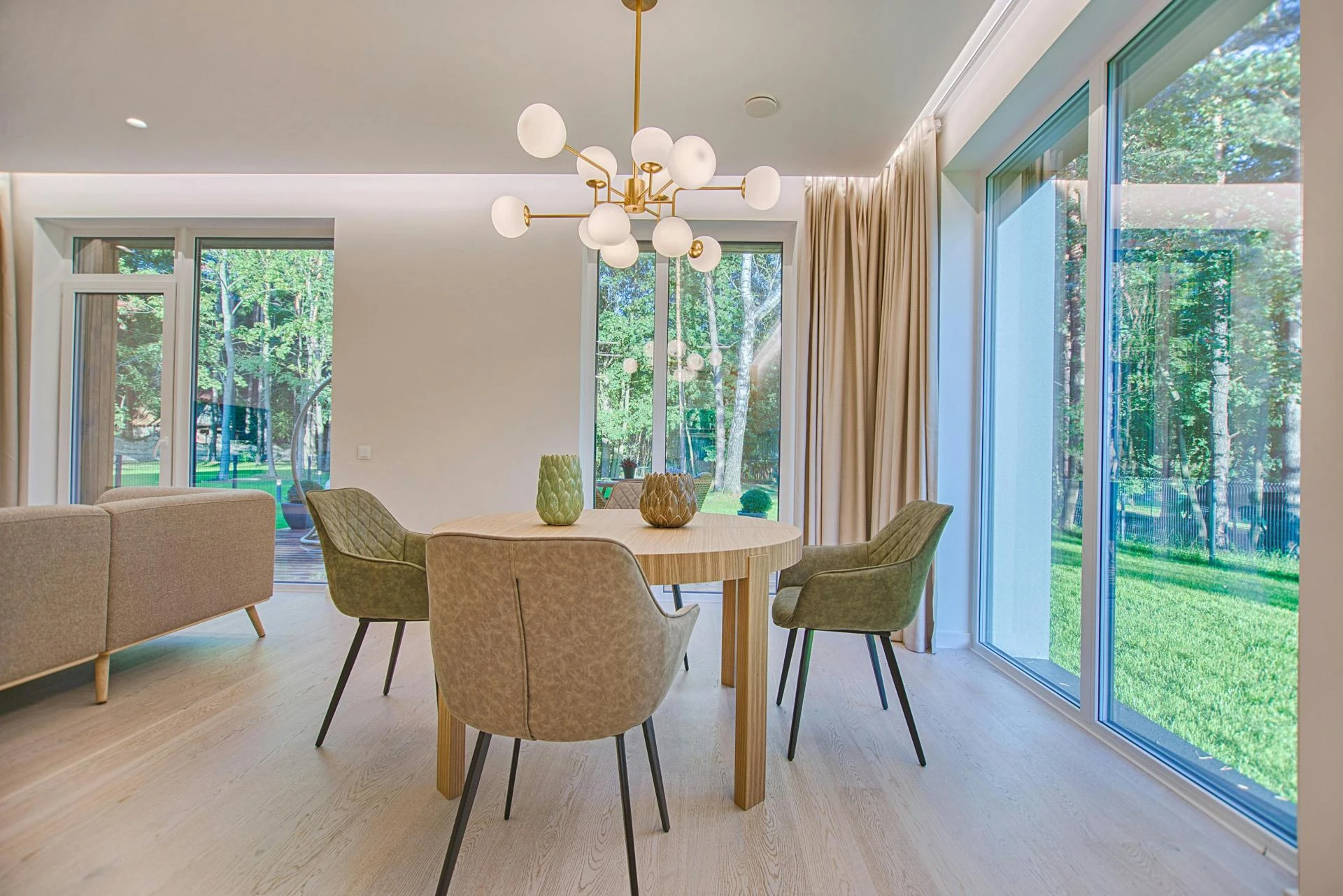

Most people think of curtains as a décor item, something that adds color or style to a room. But curtains actually do much more than that. They can help control the temperature inside your home. With the right fabric, thickness and placement, curtains can make your home feel cooler in the summer and warmer in the winter. This not only improves comfort but also helps reduce energy use.
You don’t need advanced tools or complicated installations. Small changes and smart choices can make a big difference. Let’s explore how curtains play a role in temperature control and how you can use them to make your home feel just right.
Why Curtains Matter for Temperature Control
Curtains act like a barrier between the inside of your home and the outside environment. They block sunlight, reduce heat loss and help maintain a stable indoor climate. Think of them as insulation that also looks beautiful.
When sunlight enters a room directly, it can raise the temperature quickly. On the other hand, when heat escapes through windows at night, rooms can become chilly. Curtains help manage both of these situations.
Your curtain choice determines how well your home stays cool or warm.
1. How Curtains Keep Your Home Cooler in Summer
Summer heat can easily enter a home, especially if sunlight hits your windows for long hours. The right curtains can reduce the heat inside your rooms by blocking, filtering or deflecting sunlight.
Here’s how curtains help you stay cool:
Use Light-Colored Curtains
Light colors reflect sunlight instead of absorbing it. White, beige, light grey or pastel shades work well for keeping rooms cooler.
Choose Blackout Curtains
Blackout curtains are thicker and reduce heat buildup by blocking direct sunlight. They are great for rooms that get strong daylight, like east- or west-facing windows.
Add Sheer Curtains for Soft Light
Sheer curtains let natural light in but soften its intensity. They don’t block heat completely, but they offer relief from harsh sunlight while maintaining brightness.
Keep Curtains Closed During Peak Sun Hours
Closing your curtains in the afternoon keeps the temperature lower. Even simple cotton curtains can reduce heat when used correctly.
By combining light fabrics with smart timing, you can naturally cool your home without depending too much on air-conditioning.
2. How Curtains Help Your Home Stay Warm in Winter
Cold air can enter through window gaps, and warm air can escape easily if your windows are not insulated. Curtains help reduce this problem by adding a protective layer.
Here’s how curtains help you stay warm:
Choose Thick, Heavy Fabrics
Materials like velvet, suede, thermal curtains or layered cotton trap warm air inside the room. They prevent heat loss and make the space feel cozier.
Use Darker Colors
Dark colors absorb heat naturally. Deep blues, browns, maroons or charcoal can add warmth visually and physically.
Layer Your Curtains
A combination of sheer curtains and thicker drapes creates an insulating air pocket. This method keeps cold air out while adding elegance to your room.
Close Curtains at Night
Temperatures drop after sunset. Closing your curtains as soon as evening begins helps retain warmth inside your home.
Curtains are an easy and effective way to feel warmer without using extra heating appliances.
3. Fabric Choice Makes a Big Difference
Not all fabrics behave the same way. The type of curtain fabric you choose affects how well your home stays cool or warm.
Good for Cooling:
- Sheer polyester
- Linen
- Light cotton
- Blended fabrics with thin weaves
Good for Warming:
- Velvet
- Suede
- Thermal curtains
- Heavy cotton
- Layered blackout curtains
Understanding fabric behavior helps you choose curtains that match your climate and comfort needs.
4. Use Curtain Placement for Better Temperature Control
Where and how you place your curtains improves their effectiveness.
- Hang curtains close to the wall to prevent heat from escaping.
- Extend the rod wider than the window so curtains fully cover the edges.
- Use curtains that reach floor length for better insulation.
- Add a pelmet or valance on top to stop warm air from escaping.
These small techniques help your curtains perform better without extra cost.
5. Curtains Help Reduce Electricity Bills
When your home stays naturally cooler or warmer, you depend less on air-conditioners or heaters. This leads to:
- Lower energy bills
- Less strain on appliances
- More environmental friendliness
- A more comfortable home overall
Curtains don’t use electricity, yet they help save electricity. It’s one of the simplest home upgrades with long-term benefits.
6. Change Curtains With the Seasons
One smart tip many households follow is to switch curtains based on the season.
For Summer:
- Light colors
- Sheer or light cotton
- Minimal layering
For Winter:
- Darker tones
- Thick fabrics
- Multiple layers
This seasonal approach helps you adapt your home easily and adds a fresh look every few months.
7. Choosing Curtains That Match Function and Style
You don’t have to sacrifice beauty for comfort. Many curtains today are designed to look stylish and also support temperature control. Whether you prefer minimal, modern, classic or cozy interiors, you’ll find options that suit your home.
Here is a helpful reference where you can explore different curtain styles to understand what works for your home:
https://hocfurniture.ae/product-category/curtains/
This link is shared only as a resource for readers who want to learn more about curtain types and materials.
Final Thoughts
Curtains may seem simple, but they play an important role in how your home feels every day. By choosing the right colors, fabrics and layers, you can keep your home cooler in summer and warmer in winter. It’s a natural, affordable and effective way to create a comfortable living space.
Start with one room and experiment. Notice how the temperature and lighting change. Over time, you’ll find the curtain style that makes your home feel just right.























Sign in to leave a comment.