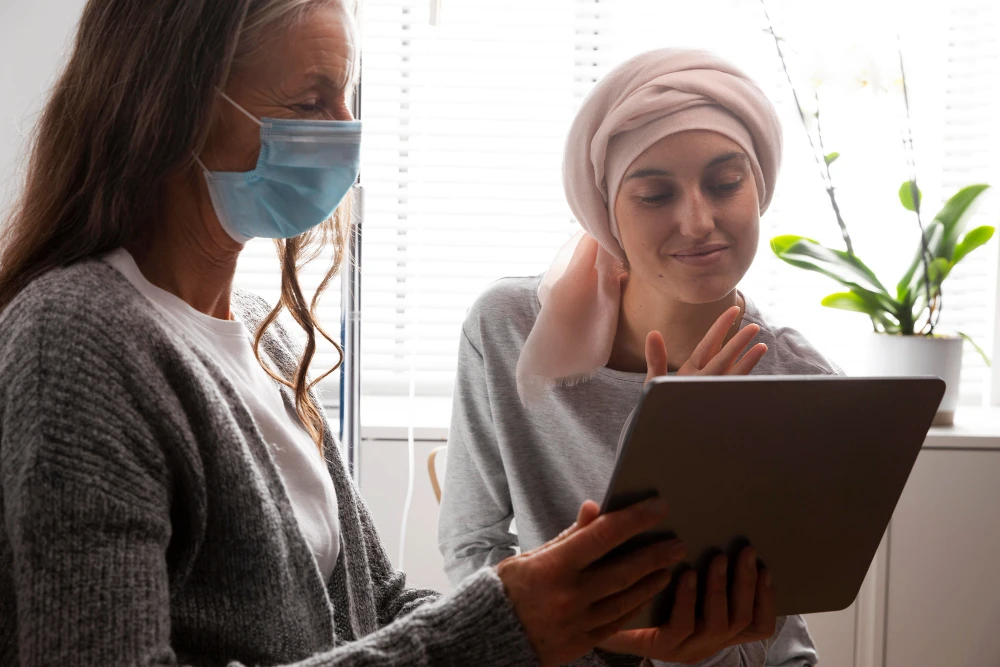

Cancer treatment is a big step, and it’s normal to feel nervous about what might happen along the way. One of the most common concerns patients have is about side effects. While every person’s journey is different, many people experience physical and emotional changes during treatment. The good news is that there are many ways to manage these side effects so you can stay as comfortable and strong as possible.
At Comprehensive Hematology Oncology, we meet patients every day who are going through the challenges of cancer treatment. What we always share with them is this: side effects are real, but they don’t have to take over your life. With the right knowledge, support, and medical guidance, you can reduce discomfort, protect your health, and keep moving forward with confidence.
In this blog, we’ll go over the most common side effects of cancer treatment and practical tips to help manage them.
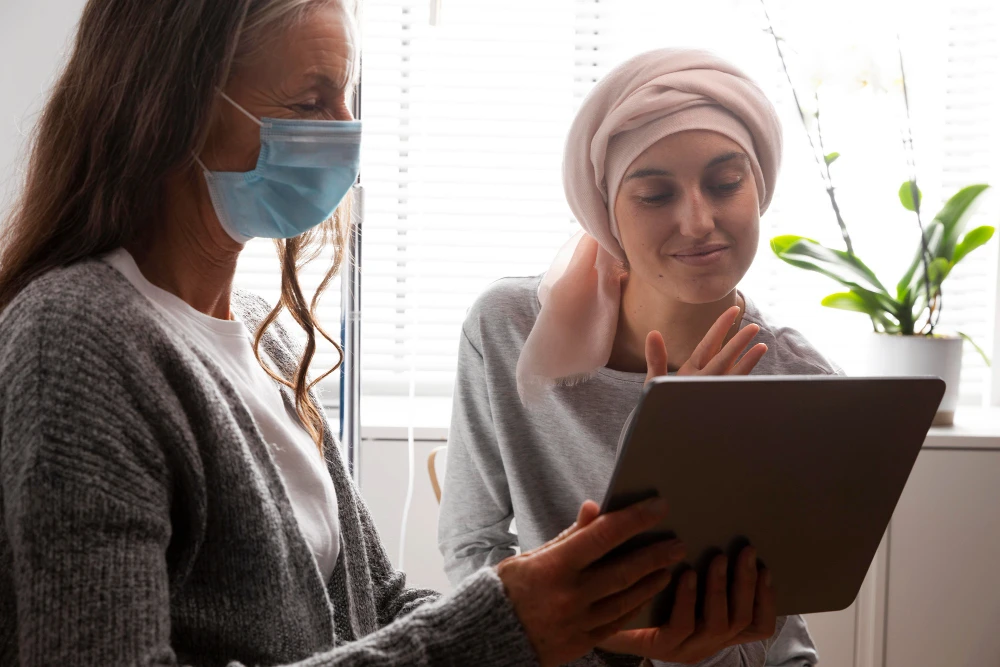
Why Side Effects Happen During Cancer Treatment
Cancer treatments such as chemotherapy, radiation, surgery, and targeted therapies are powerful. Their job is to fight and destroy cancer cells, but in the process, they sometimes affect healthy cells too. That’s why side effects occur.
Not everyone experiences the same side effects, and the intensity can vary. Some side effects show up right away, while others may happen later. Knowing what to expect and how to manage it can make the journey less stressful.
Common Side Effects and How to Manage Them
1. Fatigue
Fatigue is one of the most common side effects during treatment. Unlike regular tiredness, cancer-related fatigue doesn’t always go away with rest.
Tips to manage fatigue:
- Take short naps during the day, but avoid long naps that may affect your nighttime sleep.
- Save your energy for important tasks and ask for help with daily chores when needed.
- Light exercise, like walking or stretching, can improve energy levels.
- Eat small, balanced meals throughout the day instead of large heavy meals.
2. Nausea and Vomiting
Chemotherapy and certain medications may cause nausea or vomiting.
Tips to manage nausea:
- Eat bland foods such as crackers, toast, rice, or bananas.
- Sip clear fluids like water, ginger tea, or broth throughout the day.
- Avoid strong odors and greasy foods.
- Take anti-nausea medicine as prescribed by your doctor.
3. Appetite Loss and Weight Changes
It’s common for treatment to affect your appetite or cause changes in taste. Some patients lose weight, while others gain due to medications like steroids.
Tips to manage appetite changes:
- Eat small snacks every few hours rather than three large meals.
- Try high-calorie, high-protein foods such as nuts, cheese, yogurt, and smoothies.
- Experiment with herbs and spices to make food more appealing if your taste changes.
- Drink plenty of fluids to stay hydrated.
4. Hair Loss
Hair loss is often associated with chemotherapy, though not all treatments cause it.
Tips to cope with hair loss:
- Consider cutting hair short before treatment starts to make the change less dramatic.
- Use gentle shampoos and avoid harsh chemicals or heat styling.
- Explore options like wigs, scarves, or hats if it makes you feel more comfortable.
- Remember: hair usually grows back after treatment ends.
5. Skin and Nail Changes
Radiation and some chemotherapy drugs may cause dry skin, rashes, or nail problems.
Tips for skin and nail care:
- Use mild, fragrance-free soaps and moisturizers.
- Protect skin from the sun with gentle sunscreen and soft clothing.
- Keep nails trimmed and avoid biting or picking at them.
- Let your doctor know about any rashes, pain, or unusual changes.
6. Mouth Sores and Dry Mouth
Some treatments may cause mouth sores or make the mouth feel very dry.
Tips for mouth care:
- Rinse your mouth several times a day with a mixture of baking soda and water.
- Avoid spicy, acidic, or crunchy foods that may irritate sores.
- Use a soft toothbrush and non-alcoholic mouthwash.
- Stay hydrated and consider sugar-free gum or lozenges.
7. Low Blood Counts
Chemotherapy may reduce red blood cells, white blood cells, or platelets. This can cause anemia, increased risk of infection, or bruising.
Tips to stay safe:
- Wash hands often and avoid crowded places when your immune system is weak.
- Report any fevers or unusual bleeding to your doctor right away.
- Eat iron-rich foods such as leafy greens, beans, and lean meats if you have anemia.
- Follow all medical instructions carefully to keep blood counts in a safe range.
8. Pain and Nerve Problems
Some patients may feel joint pain, nerve tingling, or numbness in hands and feet.
Tips for pain relief:
- Take prescribed pain medicine as directed.
- Try relaxation methods like meditation, gentle yoga, or deep breathing.
- Wear soft shoes and avoid tight socks to reduce nerve discomfort.
- Speak with your doctor about other pain management options.
9. Emotional Side Effects
Along with physical changes, cancer treatment can also affect your emotions. Anxiety, sadness, and fear are common feelings.
Tips for emotional well-being:
- Talk openly with family, friends, or support groups about your feelings.
- Consider counseling or therapy to help manage stress.
- Practice calming activities like reading, listening to music, or journaling.
- Remember: asking for help is a sign of strength, not weakness.
Building a Support System
Managing side effects is easier when you have support. Friends and family can help with daily tasks, drive you to appointments, or just listen when you need to talk.
At Comprehensive Hematology Oncology, we also encourage patients to connect with local support groups. Being with others who understand your journey can bring comfort and hope.
Staying Healthy During Treatment
Besides managing side effects, taking care of your overall health can make treatment more manageable.
- Nutrition: A healthy diet gives your body the energy and strength it needs.
- Hydration: Drinking enough fluids helps with fatigue, digestion, and healing.
- Exercise: Gentle activities like walking or stretching improve mood and circulation.
- Sleep: Good rest helps the body repair and recover.
Working Closely With Your Care Team
No matter what side effects you face, always communicate openly with your care team. Doctors and nurses can suggest medicines, therapies, or lifestyle changes that make a big difference. Don’t wait until symptoms get worse—speak up early.
If you are receiving Cancer Treatment Tampa FL, you’ll find that many clinics, including ours, provide personalized care plans that take side effects into account. You are never alone in this process.
Final Thoughts
Cancer treatment can feel overwhelming, but side effects don’t have to define your journey. With practical strategies, emotional support, and medical guidance, you can manage symptoms and stay focused on healing.
At Comprehensive Hematology Oncology, our goal is to support every patient not just with treatment but with care for the whole person. From nutrition guidance to emotional support, we are here for you every step of the way.
If you or your loved one is preparing for Cancer Treatment Tampa FL, remember: side effects are real, but they can be managed with the right help and support. Call us today!
























Sign in to leave a comment.