
Macro photography is a fascinating genre that allows photographers to capture the smallest details of their subjects. It requires a unique set of skills, equipment, and techniques to achieve stunning results. In this article, we will explore the world of macro photography, from understanding the basics to mastering advanced techniques. Whether you\'re a beginner or an experienced photographer looking to improve your skills, this guide will provide you with the knowledge and tools you need to take your macro photography to the next level.
Understanding Macro Photography
Before we dive into the technical aspects, let\'s first define what macro photography is. Macro photography is a close-up photography technique that focuses on capturing small subjects at a magnification ratio of 1:1 or higher. It reveals the intricate details that are invisible to the naked eye, allowing us to appreciate the beauty of the smallest things in our world.
The importance of macro photography cannot be overstated. It opens up a whole new realm of photographic possibilities, allowing us to explore the often-unnoticed beauty of everyday objects. Macro photography encourages us to slow down, observe, and appreciate the intricate details that surround us.
One of the fascinating aspects of macro photography is the way it transforms ordinary objects into extraordinary subjects. A simple blade of grass, a droplet of water, or a tiny insect can become a mesmerizing work of art when viewed up close through a macro lens. The level of detail captured in macro photography can be truly astonishing, revealing textures, patterns, and colors that are often overlooked in our fast-paced world.
Essential Equipment for Macro Photography
When it comes to macro photography, having the right equipment is crucial. Let\'s take a closer look at the essential tools you\'ll need to create stunning macro images.
Macro photography is a fascinating genre that allows you to capture intricate details and reveal the beauty of the small world around us. To excel in this field, it\'s important to equip yourself with the right gear that will help you achieve professional-quality results.
Choosing the Right Camera
While you can technically do macro photography with any camera, a DSLR or mirrorless camera with interchangeable lenses gives you the most control over your images. Look for a camera with a good autofocus system and the ability to shoot in manual mode.
When selecting a camera for macro photography, consider one with a high-resolution sensor to capture fine details effectively. Additionally, a camera with a tilting or articulating screen can be beneficial for composing shots at different angles, especially when photographing subjects close to the ground.
Importance of Macro Lenses
Macro lenses are specially designed for close-up photography. They allow you to focus at very short distances, resulting in sharp, detailed images. Invest in a dedicated macro lens with a focal length of at least 50mm or higher to achieve the best results.
Macro lenses come in various focal lengths, such as 60mm, 90mm, and 100mm, each offering unique advantages. A longer focal length lens, like a 100mm, provides greater working distance between the camera and the subject, making it ideal for photographing skittish insects or delicate flowers without disturbing them.
Using Tripods in Macro Photography
Since macro photography requires precise focusing and a narrow depth of field, it is best to use a tripod to stabilize your camera. This will help eliminate camera shake and ensure sharp images. Look for a sturdy tripod that can hold your camera and lens securely.
In addition to a tripod, consider using a focusing rail for precise control over the focal plane when shooting extreme close-ups. A focusing rail allows you to make micro-adjustments to the camera position without disturbing your composition, resulting in tack-sharp images with optimal depth of field.
Techniques for Successful Macro Photography
Now that you have the right equipment, let\'s explore some techniques that will help you capture stunning macro photographs.
Macro photography is a fascinating genre that allows you to explore the intricate details of the world around you. By magnifying small subjects, you can reveal a whole new perspective and uncover hidden beauty that is often overlooked in our daily lives.
Focusing in Macro Photography
One of the biggest challenges in macro photography is achieving precise focus. Due to the shallow depth of field, even the tiniest movement can result in a blurred image. To overcome this, use manual focus and consider using a focus stacking technique to combine multiple images with different focus points.
When focusing in macro photography, it\'s essential to pay attention to the details that may not be visible to the naked eye. Take your time to adjust the focus ring and ensure that the most critical parts of your subject are sharp and well-defined. Patience and precision are key to capturing compelling macro images.
Mastering Depth of Field
In macro photography, depth of field becomes extremely shallow, making it challenging to keep your entire subject in focus. Experiment with different aperture settings to control the depth of field and create a visually pleasing image.
Exploring depth of field in macro photography allows you to play with creative compositions and draw the viewer\'s eye to specific areas of your subject. By understanding how aperture impacts depth of field, you can create images with a sense of dimension and visual interest.
The Role of Lighting
Lighting plays a crucial role in macro photography. Natural light can produce stunning results, but it can also be unpredictable. Consider using diffusers, reflectors, or artificial lighting setups to control the light and create the desired mood in your macro images.
Experimenting with different lighting techniques in macro photography can help you enhance textures, colors, and shapes within your subjects. By manipulating light, you can add depth and drama to your images, transforming ordinary scenes into extraordinary visual narratives.
Composition in Macro Photography
Composition is just as important in macro photography as it is in any other genre. Here are some tips to help you create well-composed macro images.

Macro photography offers a unique opportunity to explore the intricate details of small subjects. When composing your shot, consider the textures, shapes, and patterns that make your subject interesting. Pay attention to the play of light and shadow on your subject, as these elements can add depth and dimension to your image.
Framing Your Subject
Look for interesting angles and perspectives to capture your subject. Use the surrounding elements to frame your subject and create a visually appealing composition. Experiment with different compositions to find the one that best showcases the details and beauty of your subject.
Consider the rule of thirds when framing your subject. Placing your subject off-center can create a more dynamic and visually interesting composition. Additionally, leaving negative space in your composition can draw attention to your subject and create a sense of balance in the image.
Utilizing Backgrounds Effectively
The background in macro photography can make or break your image. Avoid distracting backgrounds and choose a plain, neutral background that complements your subject. Experiment with different shooting angles to create a clean, uncluttered background that allows your subject to stand out.
Consider using a shallow depth of field to blur the background and make your subject pop. This technique can help isolate your subject from its surroundings and create a sense of intimacy in your image. Pay attention to the colors and textures in the background, as they can either enhance or detract from your subject.
Post-Processing Macro Photographs
After capturing your macro images, it\'s time to enhance them through post-processing. Here are some techniques to help you bring out the best in your macro photographs.
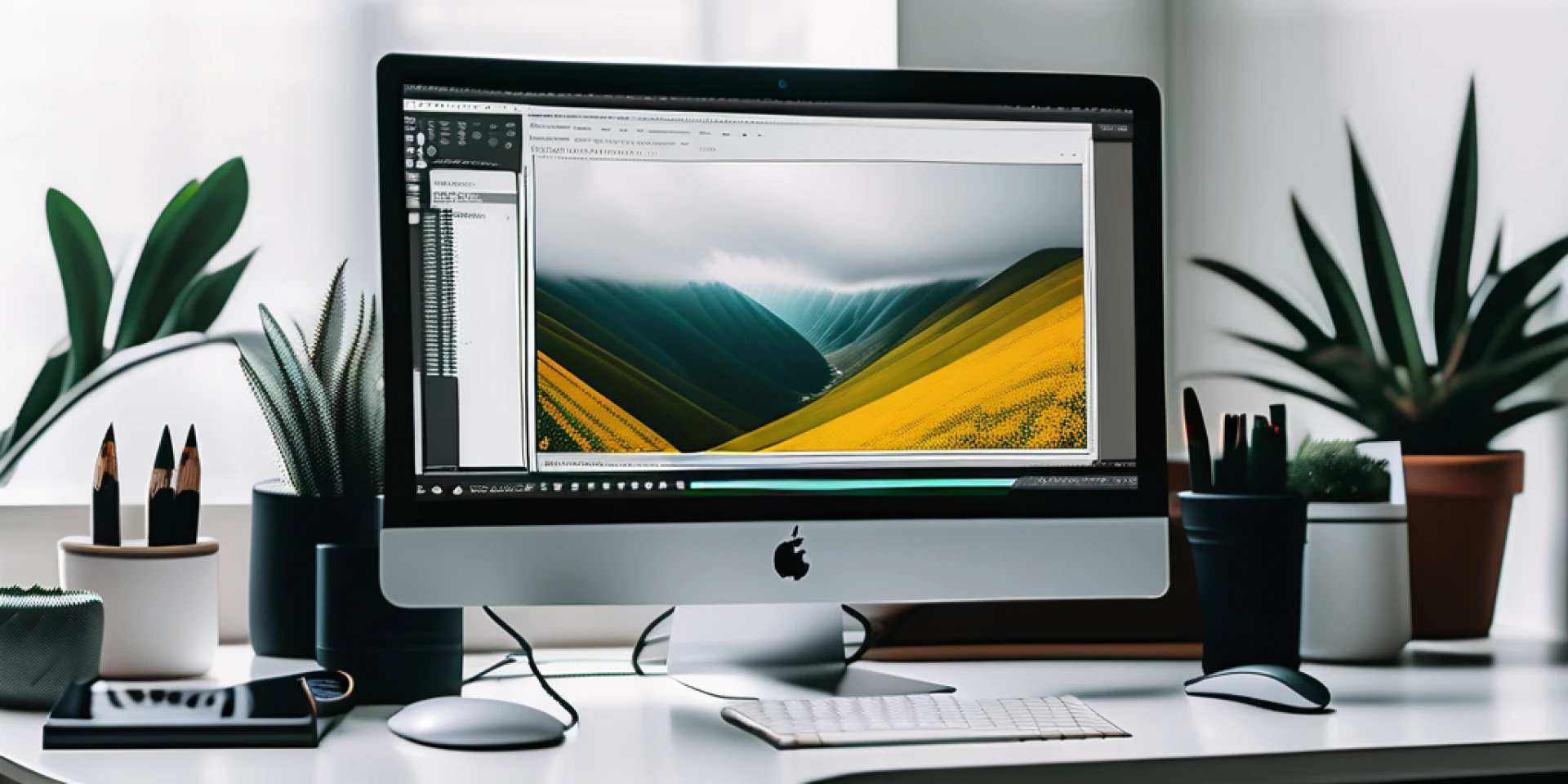
Post-processing macro photographs is a crucial step in the creative process that allows you to refine and elevate the visual impact of your images. Beyond just correcting exposure or cropping, post-processing offers a realm of possibilities to truly make your macro subjects shine.
Enhancing Details in Editing
Macro images often have a lot of intricate details that can be enhanced during the editing process. Use sharpening tools and fine-tune the contrast and clarity to bring out the tiny details that make your subject unique.
Delving into the world of macro photography reveals a universe of hidden beauty, waiting to be uncovered through the meticulous adjustment of editing tools. By carefully enhancing the details in your macro shots, you can unveil a mesmerizing world of textures, patterns, and structures that may go unnoticed to the naked eye.
Color Correction Techniques
Depending on the lighting conditions and your camera\'s settings, your macro images may require some color correction. Use white balance adjustments and selective color editing to ensure accurate and visually pleasing colors in your final images.
Color correction is an essential aspect of post-processing that can significantly impact the mood and overall aesthetic of your macro photographs. By fine-tuning the colors to reflect the true essence of your subject, you can evoke emotions and create a more immersive viewing experience for your audience.
With these tips and techniques, you are well on your way to mastering macro photography. Remember to practice, experiment, and have fun. The world of macro photography is waiting to be explored, offering endless opportunities to capture the smallest details and create stunning images.












Sign in to leave a comment.