
Portrait photography is a form of art that allows photographers to capture the essence and personality of their subjects. Whether you are a beginner or an experienced photographer, mastering the art of portrait photography requires a combination of technical skill, creativity, and a deep understanding of your subject. In this article, we will explore the key aspects and techniques that will help you become a master of portrait photography.
Understanding the Basics of Portrait Photography
Portrait photography is a captivating art form that allows photographers to capture the essence and personality of their subjects. It involves much more than simply pointing a camera and pressing a button. To create stunning portraits, photographers must understand various elements, including lighting, background selection, and angles.
The Importance of Lighting in Portraits
Lighting is one of the fundamental elements of portrait photography. It has the power to shape, define, and enhance the features of your subject. Understanding the different types of lighting, such as natural light, studio lighting, and continuous lighting, will enable you to create stunning portraits with depth and dimension.
When it comes to lighting in portrait photography, it is essential to know how to control and manipulate light to achieve the desired effect. The use of diffusers, reflectors, and light modifiers can help soften harsh lighting, reduce shadows, and create a more flattering and appealing look. Experimenting with different lighting setups and techniques will allow you to develop your own style and signature look.
Choosing the Right Background
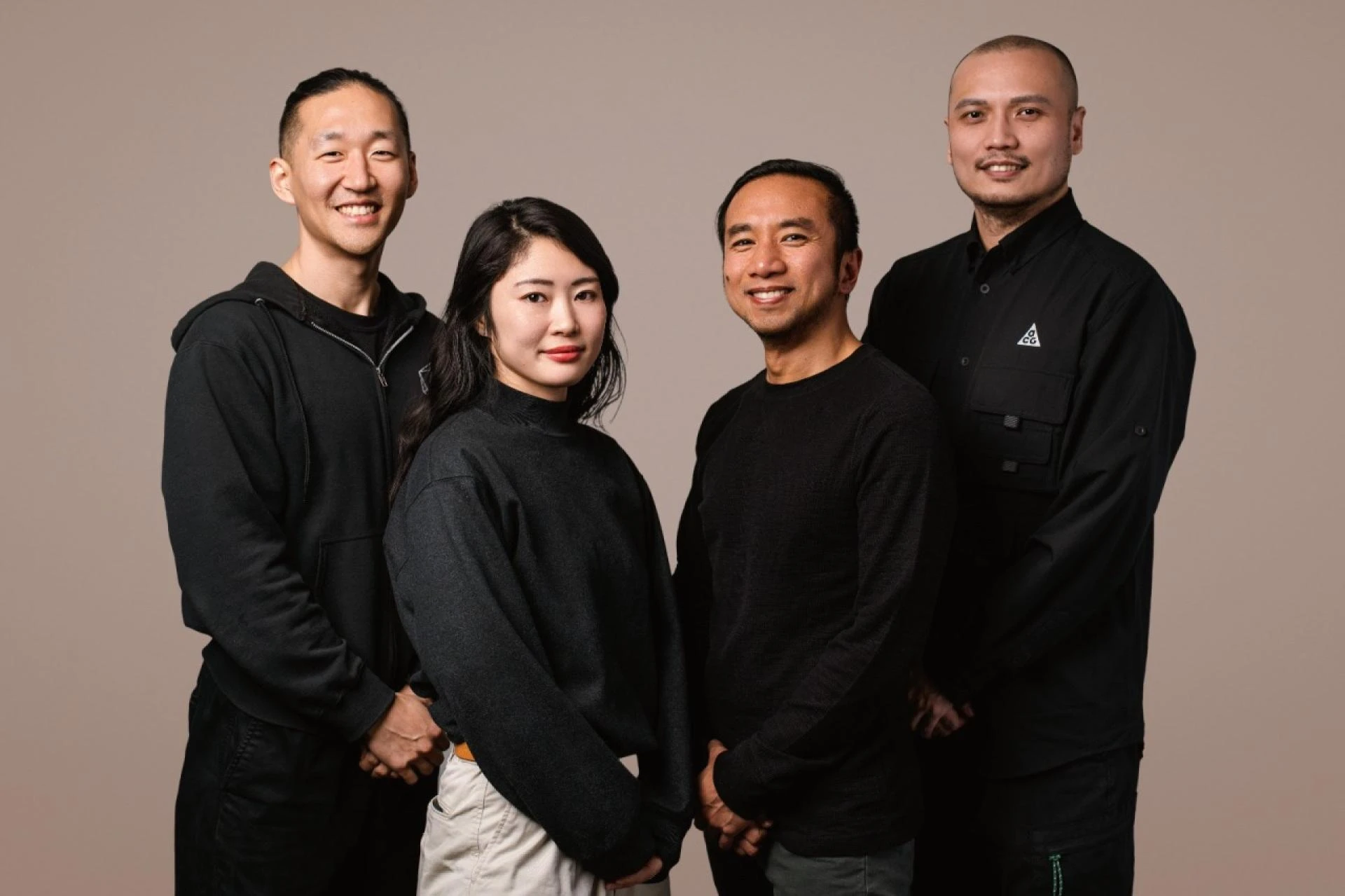
The choice of background in portrait photography can significantly impact the overall composition and mood of the image. It is crucial to select a background that complements and enhances the subject rather than distracting from it. A plain or neutral background can help create a timeless and classic look, while a more vibrant or textured background can add visual interest and personality to the portrait.
Consider the location and context when choosing the background for your portraits. Whether you are shooting indoors or outdoors, pay attention to the colors, patterns, and textures that will harmonize with your subject and convey the intended message. Remember that simplicity is often key in portrait photography, allowing the focus to remain on the subject.
Understanding Angles and Perspectives
The angle and perspective from which you photograph your subject can dramatically impact the final outcome of your portraits. Experimenting with different angles, such as shooting from below or above, can influence the perception of your subject's features, expressions, and even mood.
Consider the individual characteristics of your subject and how different angles can accentuate their best features or capture their unique personality. For example, shooting from a lower angle can make your subject appear more dominant or confident, while shooting from a higher angle can create a sense of vulnerability or innocence.
As a portrait photographer, it is important to explore and push the boundaries of angles and perspectives. By doing so, you can create captivating and visually striking portraits that leave a lasting impression on viewers.
Developing Your Unique Style in Portrait Photography
Portrait photography offers endless opportunities for experimentation and creativity. Take the time to explore various styles, such as classic, candid, lifestyle, or conceptual, to discover what resonates with your vision and aesthetic preferences.
Don't be afraid to step out of your comfort zone and push the boundaries of conventional portrait photography. Embrace unconventional compositions, perspectives, and techniques to create visually arresting and thought-provoking portraits that evoke emotion and leave a lasting impression.
One style that you may want to consider, especially for Portraits Photography in Myrtle Beach, is classic portraiture. This style emphasizes the subject's face and expression, often using soft lighting and a simple background to create a timeless and elegant image. Classic portraits can be a great choice for formal occasions or when you want to capture the essence of a person's character.
Another style to explore is candid photography. Candid portraits capture genuine and unposed moments, revealing the subject's natural emotions and personality. This style is often used in photojournalism or street photography, where the goal is to capture authentic moments as they unfold.
Lifestyle photography is another popular style that focuses on capturing people in their everyday environments. This style aims to tell a story and showcase the subject's lifestyle, interests, and personality. Lifestyle portraits often incorporate elements of the subject's surroundings, creating a more intimate and relatable image.
If you're feeling adventurous, you can also experiment with conceptual portraiture. This style involves creating images that convey a specific concept or idea. It allows you to use symbolism, props, and creative editing techniques to tell a story or explore abstract concepts. Conceptual portraits can be highly imaginative and thought-provoking, pushing the boundaries of traditional portrait photography.
The Role of Color and Texture in Your Style
Color and texture play a vital role in defining your unique style in portrait photography. Experiment with different color palettes, including monochrome, muted tones, or bold, vibrant hues, to convey specific moods or emotions.
For example, a black and white portrait can evoke a sense of timelessness and elegance, while warm earthy tones can create a cozy and intimate atmosphere. On the other hand, vibrant colors can add energy and excitement to your portraits, making them visually striking and attention-grabbing.
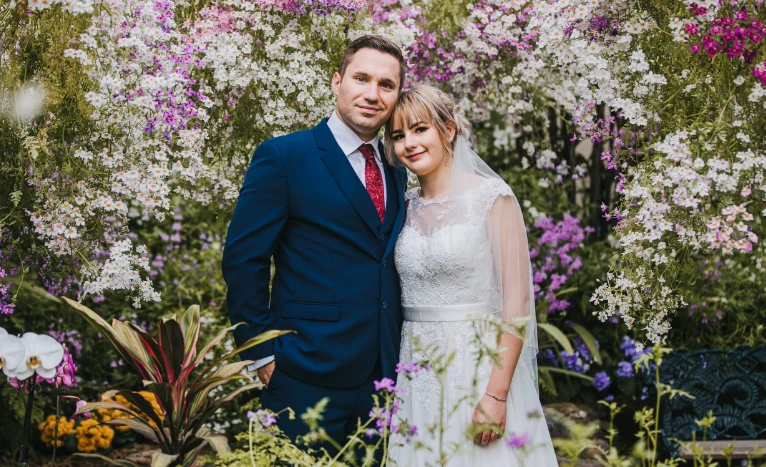
Textures in the background or props can add depth and visual interest to your portraits. Consider incorporating elements such as fabric, foliage, or architectural features to create a more dynamic and multidimensional image.
For instance, photographing a subject against a textured brick wall can add a gritty and urban feel to your portrait. Alternatively, using flowing fabric or delicate flowers as props can create a soft and ethereal look. Experimenting with different textures can help you create portraits that are not only visually appealing but also tactile and engaging.
Remember, developing your unique style in portrait photography is an ongoing process. It takes time, practice, and a willingness to explore and experiment. Don't be afraid to try new techniques, seek inspiration from other photographers, and most importantly, trust your own creative instincts. With dedication and passion, you can create portraits that are a true reflection of your artistic vision and style.






















Sign in to leave a comment.