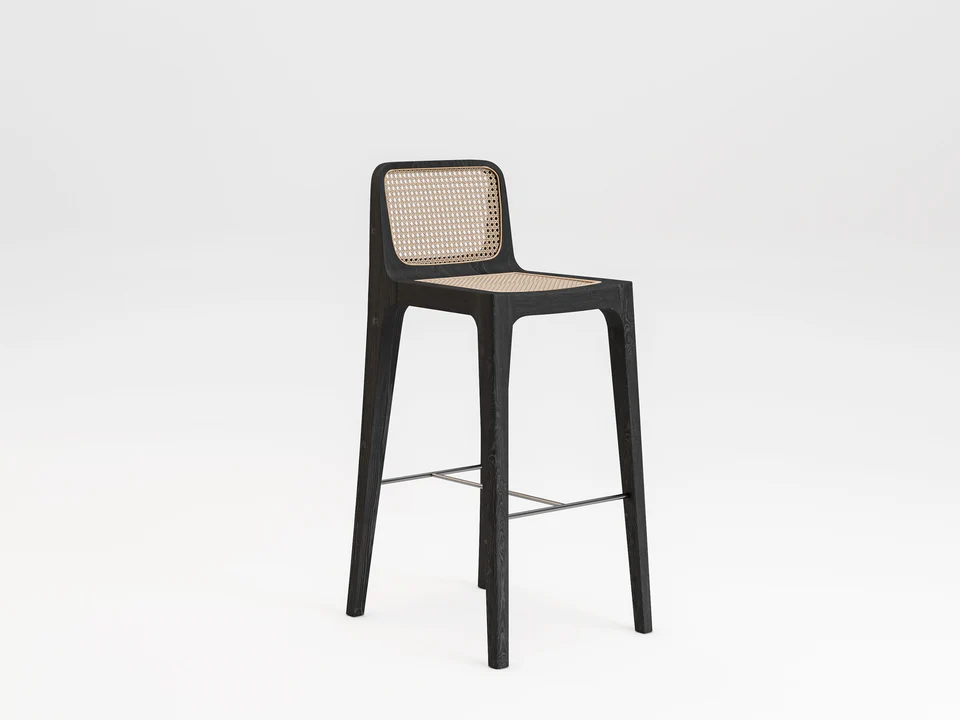

Choosing the right seating can completely transform how your dining or kitchen space looks and feels. Bar chairs play a crucial role in this, as they are not just functional seats but also visual elements that tie the entire décor together. When selected thoughtfully, bar stools enhance comfort, balance proportions, and elevate the overall interior style of your home. Understanding how to match them with your existing décor ensures your space feels cohesive rather than mismatched.
Understand Your Space Before Choosing Bar Chairs
Before selecting bar stools, study your dining or kitchen layout carefully. Identify whether the space is open-plan or enclosed, compact or spacious. In open kitchens that flow into dining or living areas, bar chairs should visually connect with nearby furniture. For smaller kitchens, slim-profile stools help maintain openness without overwhelming the space.
Also consider counter height, island depth, and available legroom. Proportion is essential—bar stools should align naturally with the counter without appearing too tall, too low, or visually heavy.
Match Bar Stool Style with Your Interior Theme
Aligning bar stool style with your interior theme is the easiest way to create visual harmony. Modern kitchens benefit from clean-lined bar stools with minimal detailing and neutral finishes. These designs blend seamlessly into contemporary spaces without drawing unnecessary attention.
Traditional or transitional interiors pair well with wooden bar chairs that feature warm tones and subtle curves. Industrial kitchens look best with metal or mixed-material stools, while mid-century-inspired homes can use retro-style bar stools to reinforce character and charm. Consistency in design language ensures your seating feels intentional.
Choose the Right Material for Visual Balance
Material selection has a strong influence on how bar stools integrate into your décor. Wooden bar stools add warmth and timeless appeal, making them ideal for kitchens with wooden cabinets, dining tables, or flooring. They work equally well in modern and classic settings.
Metal bar stools introduce a sleek, contemporary edge and complement stone countertops or minimalist kitchens. Upholstered bar stools, whether in fabric or leather, add softness and comfort, especially for homes that encourage long meals and casual conversations. Mixed-material stools offer the best of both worlds when balanced thoughtfully.
Coordinate Colors and Finishes Thoughtfully
Color coordination plays a major role in creating a polished look. Neutral shades like beige, grey, black, and natural wood tones are versatile and integrate easily into most interiors. They help maintain a calm, balanced aesthetic.
In kitchens with bold cabinetry or dramatic lighting, subtle bar stools prevent visual clutter. In neutral kitchens, bar chairs can act as accent pieces through darker wood tones, textured upholstery, or contrasting finishes. Matching or complementing existing furniture finishes helps maintain visual continuity across spaces.
Balance Comfort with Aesthetic Appeal
While design matters, comfort should never be compromised. Bar stools are often used daily, whether for quick breakfasts, working, or social gatherings. Designs with supportive backrests are ideal for extended seating, while swivel bar stools add convenience in active kitchens.
Look for features such as footrests, well-proportioned seats, and comfortable cushioning. A thoughtfully designed bar stool should support both posture and style, making it a practical addition to your home.
Align Bar Chairs with Dining Furniture
When bar stools are positioned near the dining area, they should complement the dining furniture visually. This doesn’t mean they need to match exactly, but there should be a shared design element—such as material, finish, or color tone.
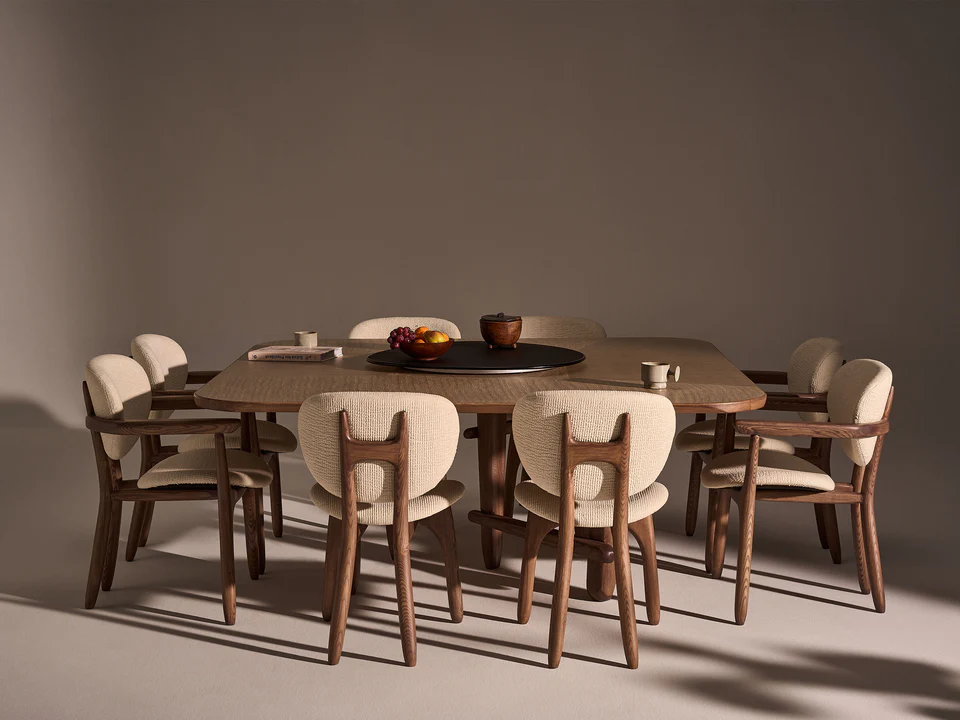
For example, if your dining chairs are wooden with upholstered seats, bar stools with similar materials create a smooth transition between spaces. This approach works particularly well in open-plan homes where kitchen and dining zones merge visually.
Pay Attention to Spacing and Arrangement
Proper spacing ensures bar stools look neat and function comfortably. Leave enough space between each stool to allow easy movement and comfortable seating. Even spacing also creates a clean, organized visual flow along the counter.
In smaller kitchens, backless or armless bar chairs can be tucked under the counter when not in use, keeping the area uncluttered. In larger kitchens, full-back bar stools add presence and structure without overwhelming the space.
Add Personality Without Overdoing It
Bar stools offer a subtle opportunity to express personality through design details, textures, or finishes. Unique stitching, interesting silhouettes, or contrasting materials can add character while still blending with the décor.
However, restraint is important. Avoid mixing too many bold elements. Choose one standout feature and allow the rest of the design to remain balanced, ensuring the space feels refined rather than busy.
Final Thoughts on Matching Bar Chairs with Décor
Matching bar stools with your dining or kitchen décor is about balancing style, comfort, and proportion. By carefully considering space, materials, colors, and layout, you can choose bar chairs that enhance your interiors naturally.
Well-chosen bar stools do more than provide seating—they contribute to the flow, comfort, and overall atmosphere of your home, making everyday moments more enjoyable and visually appealing.

























Sign in to leave a comment.