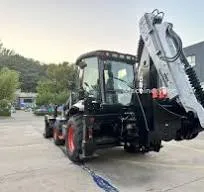

Backhoe loaders are highly versatile machines, used for digging, material handling, backfilling, site preparation and many other tasks. While highly utilitarian, one rushed move can lead to fatal accidents, causing your project to stall, incur losses or fatal injuries. The biggest risks are rollover incidents and blind spots with these massive machines. The good news is, you can prevent many hazards via operational habits and essential backhoe loader safety practices.
This blog covers how to safely operate, avoid common mistakes, and provides important reminders for your team. Let’s have a look at what needs to be inspected before use, appropriate gear, proper operation habits, working on slopes, and shutting down correctly. With proper safety, you not only ensure better operator and crew safety, but also comply effectively with safety standards, laws and regulations, and reduce chances of delays and downtime.
1. Daily-Inspection: Check Your Backhoe Loader Before Each Shift
A proper walk around is your first line of defence before you start the engine. Look for any hydraulic hose leaks, as suddenly losing pressure can lead to dropped loads. Make sure your tyres have enough pressure to keep the machine steady when digging or lifting.
Check the stabiliser legs and make sure your backup alarm is working properly. Skipping out on these checks compromises your worksite safety and endangers ground workers. Regular inspections make heavy machinery operations much safer. A short inspection helps you catch small issues early before they turn into major problems and endanger your operator and crew.
H2: 2. PPE & Operator Readiness: Use The Right Safety Gear
Always operate a backhoe loader with proper protection gear. Your physical safety is just as important as the machine checks. Always wear a hard hat, high-visibility clothes, and steel-toe boots on every job.
Use the “three-point contact rule” when climbing into the cab to avoid slipping and falling. Never jump down from the steps. Fasten your seatbelt right away because it keeps you safe inside the protective cage in case of an emergency. Using proper gear is one main practice if you want to ensure construction equipment safety at worksites for both operators and your crew.
3. Maintain Safe Driving & Site Awareness
Heavy machinery operation requires your full attention and clear communication with your site spotter. Keep the front loader bucket low to the ground when the machine is moving; this maintains a low centre of gravity. Look out for overhead power lines and underground utilities before you start digging or trenching.
Another key practice to increase worksite safety is establishing clear hand signals with your ground crew. This helps in eliminating confusion in noisy environments, especially when multiple machines are running at the same time or working in crowded areas.
4. Heavy Machinery Operation On Slopes, Terrain & Uneven Surfaces
Operating on uneven surfaces like terrains significantly increases the chances of rollovers. That’s the reason the best backhoe loaders today come with ROPS (Roll Over Protection System) certified operator cabs. However, the best way to ensure safety from rollovers is to incorporate safety precautions during heavy machinery operation.
Always drive a backhoe loader straight up or down a slope instead of travelling across the incline. Deploy the stabilisers fully when working on uneven ground, firm surfaces, during digging and heavy lifting. Check the load chart and follow it strictly, and take extra care when working on angles to present tip overs.
5. Shutdown & Maintenance
Whenever you step away from the operator cab for maintenance or a break, secure the machine in a proper manner. Lower the front and rear arms to relieve hydraulic pressure. Use the boom lock when required to add an extra safety layer. Activate the parking brake and lock the transmission before you leave the cab. When you’re performing repairs, use the boom lock.
Following these rules and making them a habit may take some time, but once you start following them regularly, construction equipment safety drastically improves.
6. Safe Loading & Lifting
Pushing your machine beyond its capacities is one of the most common mistakes many operators make. It's one of the mistakes that not only damages your backhoe loader but also paves the way for accidents. That said, always follow the manufacturer’s recommended weight limits to ensure worksite safety. Smooth and steady lever movements prevent the load from shifting or spilling out of the bucket.
Additionally, be extra careful of the swing radius when turning the rear arm to avoid hitting nearby crew or structures. Implementing these controlled movements ensures better backhoe loader safety and reduces the chances of accidents and financial losses.
Final Thoughts
Operating heavy equipment requires constant respect for the machine’s capabilities. The habits you build directly determine the success and security of your projects. Take the time to inspect your machine and follow strict protocols to avoid accidents and keep your projects profitable.
Sticking to essential backhoe loader safety procedures ensures everyone goes home without injury. Stick to these core principles of construction equipment safety to maximise productivity and protect your team for years to come.





























Sign in to leave a comment.