

Setting up a home entertainment system used to mean choosing between an oversized TV or nothing at all. That's changed. More households across India are now exploring projectors as a genuinely practical alternative — not just for movie nights, but for everyday streaming, gaming, and even casual weekend binge-watching. The tricky part isn't deciding whether to get one anymore; it's figuring out which type actually fits your space, budget, and viewing habits.
Why the Screen Matters More Than People Expect
One mistake that trips up a lot of first-time buyers is assuming the projector alone determines picture quality. In reality, a home projector screen plays an equally important role, reflecting light evenly and preserving contrast in a way a plain wall simply can't match. Even a smooth, freshly painted wall absorbs and scatters light unevenly, which flattens colors and softens detail — regardless of how good the projector itself is.
For anyone serious about picture quality, pairing the projector with a proper screen, even a modest one, tends to make a bigger visible difference than upgrading the projector itself.
Understanding What You're Actually Paying For
Budget is usually the first real question buyers face, and understandably so. Home projector price ranges vary widely in India, largely driven by brightness (lumens), resolution, contrast performance, and additional features like built-in speakers or smart streaming support. Entry-level models are genuinely capable for casual use in dim rooms, while higher-end options are built for brighter rooms, larger screen sizes, or more demanding home theater setups.
The key isn't chasing the cheapest or most expensive option — it's matching price to actual use case. Someone doing occasional movie nights in a dark bedroom has very different needs than someone building a dedicated, well-lit home theater room.
When a Small Projector Makes More Sense
Not every household needs a large, feature-heavy setup. A small home projector is often the smarter choice for compact apartments, dorm rooms, or anyone who wants a portable, easy-to-store option rather than a permanent installation. These compact models have improved significantly in recent years, offering solid brightness and decent resolution in a form factor that fits easily on a shelf or even travels well for outdoor movie nights.
For renters or anyone without space for a dedicated home theater setup, this category often delivers the best balance of convenience and picture quality without unnecessary bulk or cost.
A Few Common Buying Mistakes Worth Avoiding
A lot of buyers run into the same avoidable issues: choosing based on resolution alone while ignoring brightness needs for their room, skipping screen size and throw distance calculations, or assuming a compact projector automatically means a compromise on quality. Others forget to account for ambient light in their room entirely, then wonder why the picture looks washed out during the day.
Thinking through room size, lighting conditions, and how the projector will actually be used — before comparing specs — saves a lot of buyer's remorse down the line.
Choosing a System, Not Just a Projector
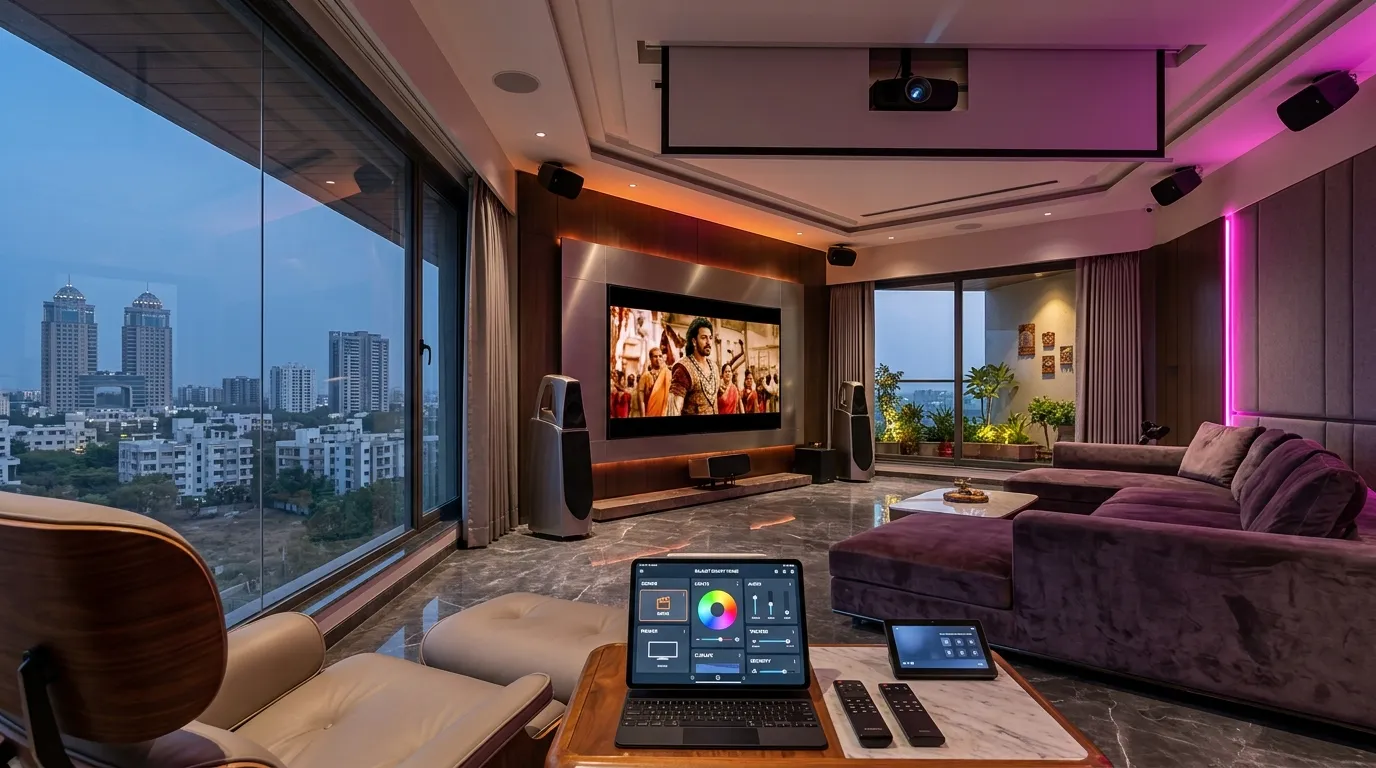
Projectors, screens, and room setup all work together, and getting the combination right matters more than any single spec on paper. Optoma has built its home entertainment lineup around this kind of complete-system thinking, offering projectors alongside complementary display solutions designed to perform well together, backed by dependable technical support for buyers who want confidence in their setup rather than guesswork.
For most households, this system-level approach — projector, screen, and room all considered together — leads to a noticeably better experience than focusing on the projector in isolation.
Finding What Actually Fits Your Home
At the end of the day, the "best" projector isn't the most expensive or feature-packed one — it's the one genuinely matched to your room, budget, and how you'll use it day to day. Whether that means a compact model for a small apartment or a full setup with a dedicated screen for a home theater room, understanding these basics upfront leads to a purchase you'll actually be happy with long-term.
FAQs
1. Do I need a projector screen, or is a wall good enough for casual use?
A dedicated screen improves contrast and color accuracy noticeably, though a plain white wall can work for very casual, low-budget setups.
2. What affects home projector price the most?
Brightness, resolution, contrast performance, and additional features like smart connectivity or built-in speakers all influence pricing significantly.
3. Is a small home projector good enough for regular movie nights?
Yes, for most rooms and casual use, compact projectors now offer solid brightness and picture quality suitable for regular viewing.












Sign in to leave a comment.