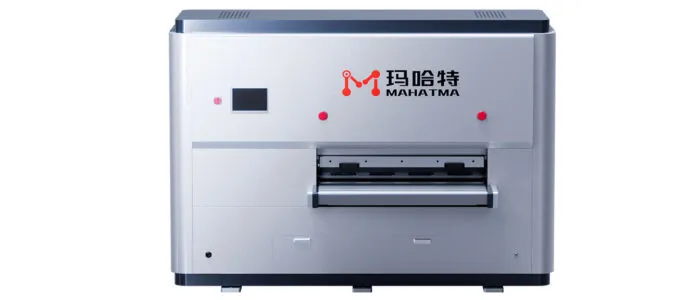

How to pick the right straightening machine for your shop starts with understanding the kind of work you do every day. A machine that looks powerful on paper may still be the wrong choice if it cannot handle your materials, your output goals, or your floor space. The best decision comes from matching the machine to your parts, your staff, and your long-term workload.
1 Know the parts you straighten most often
Before you compare brands or features, look at the items that come through your shop most often. Are you working with flat stock, round bars, shafts, frames, panels, or fabricated assemblies? Every Straightening Machine is built to solve a different type of problem, so the shape, thickness, and hardness of your materials matter a lot. If your parts vary widely, choose a machine with flexible adjustment and a wide working range.
You should also think about how severe the bend usually is. Light correction needs less force and can be handled quickly, while heavy distortion needs a stronger frame and more consistent pressure.
2 Match capacity to daily production
A shop that straightens a few parts a week has very different needs from a shop that processes parts all day. Capacity is not only about maximum tonnage or force. It is also about cycle time, ease of loading, and how fast an operator can move from one part to the next. A well-sized Straightening Machine should keep up with your workload without slowing the rest of the line.
Ask how many parts you expect to straighten in a shift and how much downtime you can tolerate. If production is growing, choose a machine with enough reserve capacity so you do not outgrow it too quickly.
3 Look for precision and repeatability
Straightening is not just about making a part look better. It is about getting the part into the correct shape every time. That is why repeatability matters. A machine with stable guides, reliable controls, and smooth adjustment helps the operator produce consistent results from batch to batch. In many shops, a precise Straightening Machine saves more money than a fast one because it reduces scrap, rework, and customer complaints.
If your work requires tight tolerances, pay close attention to the control system. Digital settings, clear measurement scales, and easy-to-read feedback can make a big difference. Even small changes in pressure or alignment can affect the final result.
4 Think about ease of use and training
The best equipment is not always the most advanced one. In a busy shop, a machine should be simple enough for your team to use correctly after proper training. A complicated setup may slow down operations and increase mistakes. A user-friendly Straightening Machine with clear controls, safe access points, and straightforward adjustments helps reduce operator frustration and learning time.
Consider who will run the machine. If experienced technicians will use it, advanced controls may be useful. If the machine will be shared among several workers, simplicity may be the smarter choice.
5 Check safety, build quality, and service support
A strong frame, dependable components, and proper guarding are essential. Straightening work can involve heavy parts and high pressure, so safety should never be an afterthought. Inspect the structure, emergency stop features, and maintenance access before you buy. A durable Straightening Machine should feel solid, stable, and well engineered, not just powerful.
Service support is just as important as build quality. Ask about spare parts, repair time, warranty coverage, and technical help. If a machine goes down and no one can service it quickly, your shop loses time and money.
6 Compare total value, not just price
Price matters, but value matters more. The cheapest machine may use weaker parts, offer less accuracy, and create more downtime. A better option may cost more at first but save money through lower maintenance, better output, and longer life. When comparing models, look at energy use, maintenance needs, operator time, and expected lifespan. A quality Straightening Machine should pay for itself through steady performance.
It also helps to ask for a demo or sample test if possible. Seeing the machine work on your actual parts gives you a much clearer picture than brochures or sales claims.
Final thoughts
The right machine is the one that fits your materials, your volume, your accuracy needs, and your shop layout. Start with your real workload, not just the biggest spec sheet you can find. By focusing on capacity, precision, ease of use, safety, and support, you can choose equipment that improves quality and keeps production moving. A thoughtful purchase today can save time, reduce waste, and make your shop more profitable for years to come.

























Sign in to leave a comment.