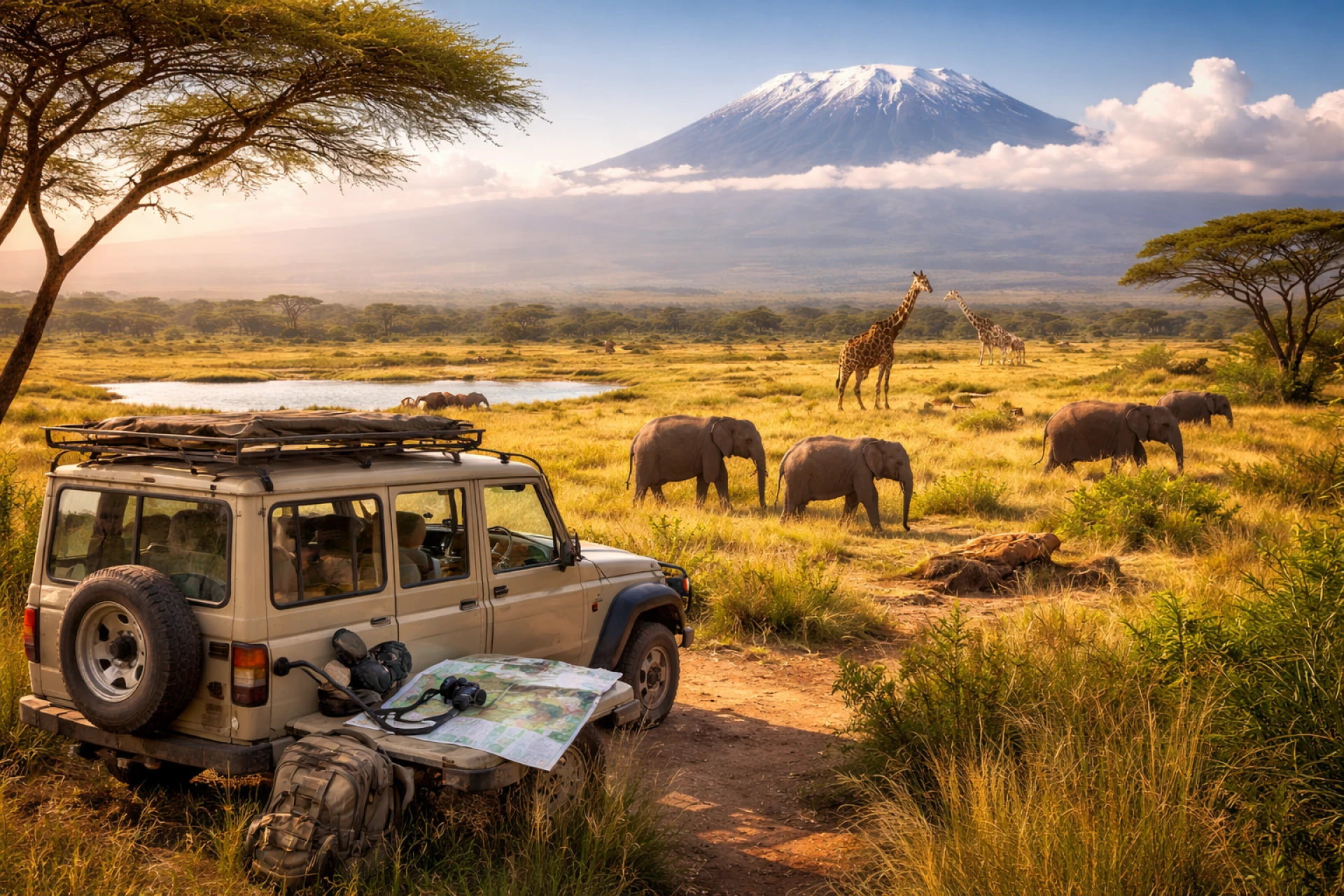

Planning a Kenya safari is exciting, but it requires proper preparation. Kenya is one of Africa’s top wildlife destinations, known for its national parks, vast savannah landscapes, and the famous Great Migration. A well planned safari helps travelers enjoy wildlife sightings, comfortable accommodation, and smooth travel between parks.
The following steps explain how to organize a Kenya safari trip in a simple and practical way.
Choose the Best Time for a Kenya Safari
The first step in planning a safari is selecting the right travel season. Kenya offers wildlife viewing throughout the year, but the experience can vary depending on weather and animal movement.
The dry season from June to October is considered the best time for safari travel. Animals gather near water sources, which makes wildlife easier to spot. This is also the period when the Great Migration moves through the Maasai Mara.
Another good travel period is January to March, when the weather is warm and wildlife viewing remains excellent.
Travelers who prefer fewer crowds and lower prices may consider the green season between April and May, although occasional rains can occur.
Decide the Duration of Your Safari
Safari trips usually last between 5 and 8 days. The length of the trip determines how many parks and reserves you can visit.
A typical safari itinerary may include:
- Nairobi for arrival and city exploration
- Maasai Mara for wildlife viewing
- Lake Nakuru for birdlife and rhino sightings
- Amboseli for views of elephants and Mount Kilimanjaro
Shorter safaris focus on one or two parks, while longer trips allow travelers to experience multiple wildlife regions.
Select the National Parks and Safari Destinations
Kenya has several famous wildlife areas, each offering a unique safari experience.
Maasai Mara National Reserve
One of the most popular safari destinations in Africa. It is known for the Big Five animals and the annual Great Migration.
Amboseli National Park
Famous for large elephant herds and clear views of Mount Kilimanjaro.
Lake Nakuru National Park
Known for flamingos, rhinos, and scenic landscapes.
Tsavo National Park
One of the largest parks in Kenya with diverse wildlife and rugged terrain.
Choosing the right combination of parks helps travelers experience different ecosystems and wildlife species.
Choose the Type of Safari Experience
Kenya offers different safari styles depending on budget and travel preferences.
Luxury safaris include high end lodges, private game drives, and premium services.
Mid range safaris combine comfortable lodges with guided tours and organized activities.
Budget safaris focus on essential wildlife experiences with simpler accommodations.
Many travelers prefer guided safari packages because transport, accommodation, and park permits are arranged in advance.
Travelers planning a Kenya wildlife trip can explore options through
Kenya safari packages available at
BlueTerra through their Kenya travel page:
https://www.myblueterra.com/kenya-travel-packages
Arrange Flights and Entry Requirements
Most international travelers arrive in Nairobi, the capital city of Kenya. Jomo Kenyatta International Airport is the main gateway for safari visitors.
Travelers should also check visa requirements before departure. Kenya offers an electronic travel authorization system, which allows tourists to apply online before arrival.
It is recommended to keep copies of travel documents, passport details, and accommodation bookings while traveling.
Book Safari Accommodation and Transport
Accommodation in safari regions usually includes lodges, tented camps, and eco resorts located close to national parks.
Most safari packages include:
- Game drive vehicles with experienced guides
- Park entry permits
- Meals and accommodation
- Transfers between parks
Booking these services in advance helps travelers avoid last minute availability issues during peak seasons.
Prepare for Safari Activities
Packing the right items improves comfort during the safari.
Essential items include:
- Lightweight clothing in neutral colors
- Comfortable walking shoes
- Sunscreen and sunglasses
- Binoculars for wildlife viewing
- Camera with zoom lens
- Hat and insect repellent
Game drives usually happen early in the morning and late in the afternoon when animals are more active.
Understand Wildlife Etiquette During Safari
Safari guides follow specific rules to protect wildlife and ensure visitor safety.
Travelers should:
- Stay inside safari vehicles during game drives
- Avoid loud noises that may disturb animals
- Follow instructions from the safari guide
- Maintain safe distances from wildlife
Responsible travel helps preserve natural habitats and supports conservation efforts in Kenya’s national parks.
Plan Your Kenya Safari with Expert Guidance
Planning a safari involves several details including park selection, travel timing, accommodation, and transport between reserves. Many travelers prefer organized safari packages because they simplify the entire process.
Travelers looking for curated wildlife experiences can explore safari itineraries through
BlueTerra which offers guided safari tours across Kenya.
Available safari options can be explored at:
https://www.myblueterra.com/kenya-travel-packages
These packages help travelers experience Kenya’s wildlife landscapes while ensuring comfortable and well planned travel.

























Sign in to leave a comment.