

How to Plan a Destination Wedding in India: Complete 2026 Guide
Planning a destination wedding in India can be an exciting experience. From heritage properties in Rajasthan to beach resorts in Goa and scenic mountain venues in Mussoorie, couples have a wide range of destinations to choose from.
However, organising a wedding away from your home city involves much more than selecting a beautiful venue. Guest travel, accommodation, transportation, vendor coordination, event schedules and local logistics all need to work together.
This guide explains how to plan a destination wedding in India, from creating your initial guest list and budget to selecting a venue and managing the wedding celebrations.
Why Choose a Destination Wedding in India?
India offers a diverse selection of wedding destinations, each providing a different experience.
Couples looking for heritage architecture and palace settings often explore Rajasthan, while those interested in beach celebrations may consider Goa. Mountain destinations can offer a completely different atmosphere for couples looking for scenic surroundings and cooler weather.
A destination wedding also allows families and friends to spend more time together. Instead of attending a single wedding function, guests can participate in a series of celebrations spread across two or more days.
The right destination ultimately depends on your personal preferences, guest requirements, wedding season and budget.
Step 1: Decide Your Destination Wedding Budget
One of the first steps in planning a destination wedding is establishing a realistic budget.
Rather than beginning with individual vendors, consider the complete wedding experience.
Your budget may need to account for:
- Wedding venue
- Guest accommodation
- Food and beverages
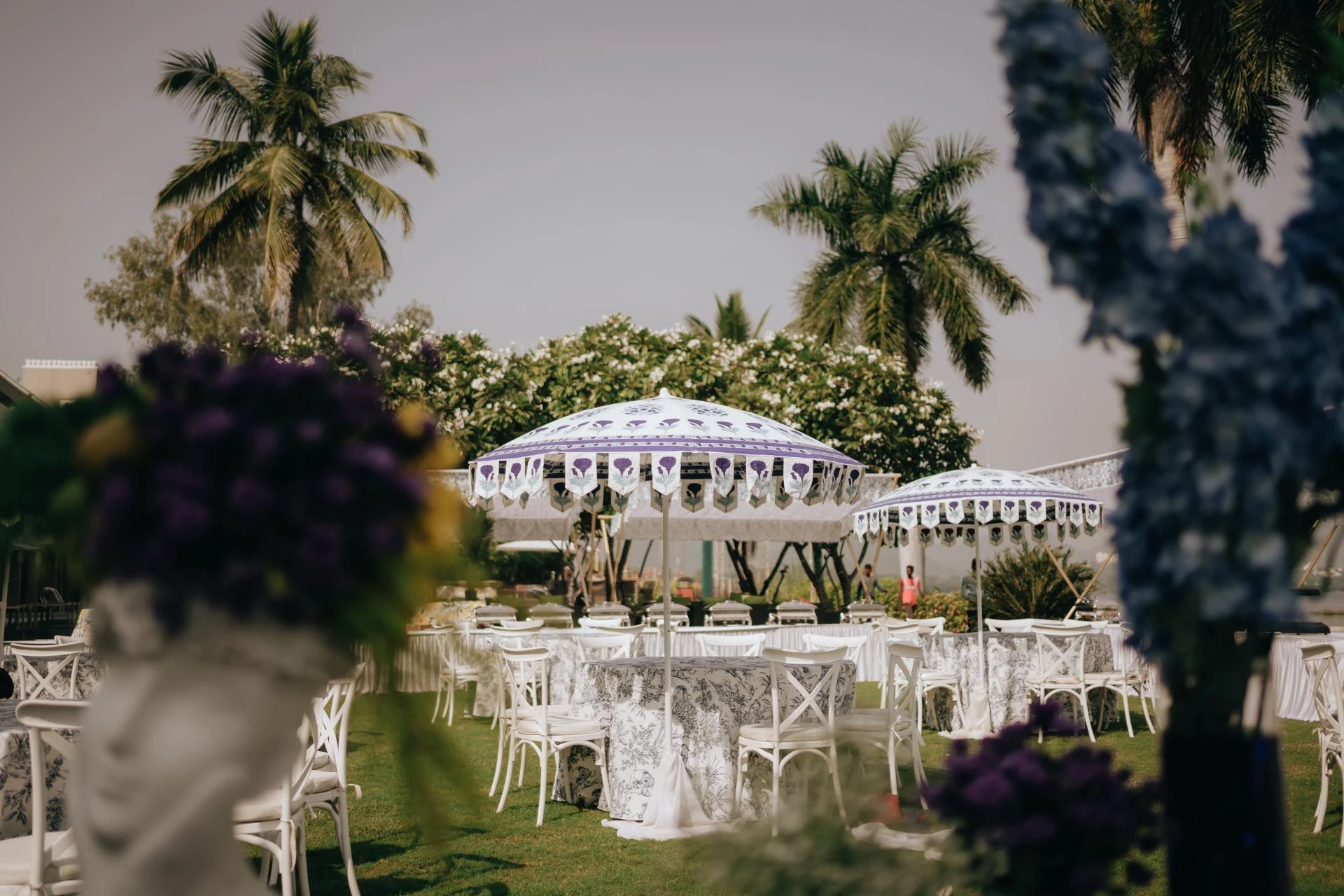
- Wedding decor
- Entertainment
- Photography and videography
- Guest transportation
- Hospitality
- Vendor travel and accommodation
- Wedding planning and management
The cost can vary significantly depending on your chosen destination, property category, guest count and number of wedding functions.
For premium and luxury celebrations, couples should discuss their priorities early in the planning process so that the budget can be allocated appropriately.
Step 2: Create Your Guest List
Your guest count influences almost every major aspect of a destination wedding.
It determines how many hotel rooms you require, the size of your event spaces, catering requirements and transportation arrangements.
Before approaching wedding venues, create an approximate guest list.
You do not necessarily need a final confirmed number at this stage, but having a realistic estimate will make it easier to shortlist suitable properties.
For example, a venue suitable for an intimate celebration may not have sufficient room inventory or event capacity for a wedding with several hundred guests.
Step 3: Choose the Right Destination
Once you understand your approximate budget and guest count, you can begin evaluating destinations.
Consider the following factors:
Accessibility
How will your guests reach the destination?
Check the nearest airport and railway station, along with approximate travel times to the venue.
A destination with convenient connectivity can simplify guest arrivals and reduce complicated transportation arrangements.
Weather
Research the expected weather conditions during your preferred wedding dates.
Outdoor wedding functions can be affected by extreme temperatures, rain and other seasonal conditions.
Always discuss suitable backup arrangements with your venue if you are planning outdoor celebrations.
Venue Options
Different destinations offer different styles of wedding venues.
Your options may include:
- Palace hotels
- Heritage properties
- Luxury resorts
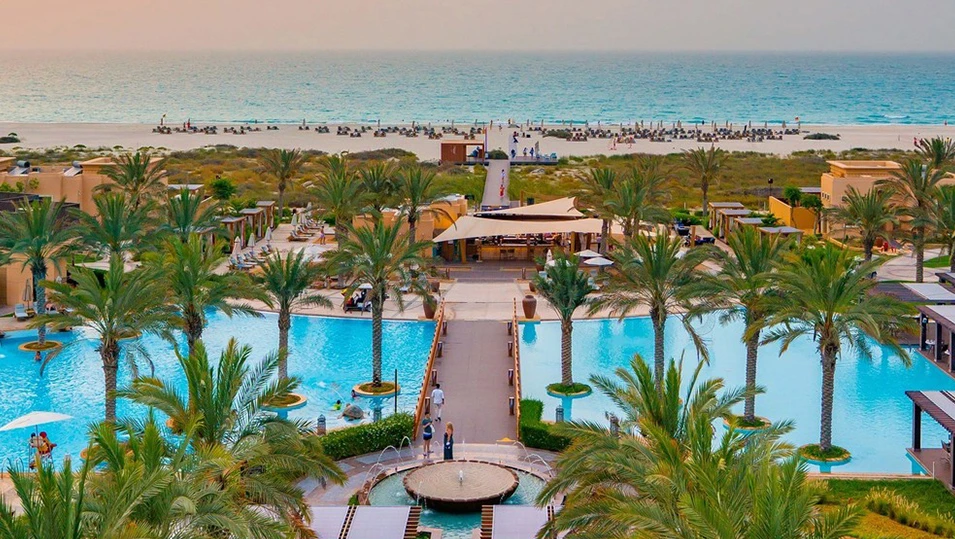
- Beach resorts
- Boutique hotels
- Mountain retreats
Choose a destination that complements the type of wedding experience you want to create.
Step 4: Shortlist Your Wedding Venue
The venue is one of the most important decisions in destination wedding planning.
Do not select a property based solely on photographs.
Evaluate practical considerations such as:
- Total number of rooms
- Event venue capacity
- Indoor and outdoor spaces
- Food and beverage policies
- Vendor restrictions
- Sound restrictions
- Event timings
- Accessibility
- Backup venues for outdoor functions
If possible, conduct a site visit before finalising the property.
Seeing the venue in person can help you understand guest movement, event layouts and logistical requirements that may not be obvious from photographs.
Step 5: Select Your Wedding Dates
Wedding dates can influence both venue availability and the overall planning process.
Popular dates may have higher demand, particularly at well-known destination wedding properties.
Instead of considering only one date, having a few suitable options can provide greater flexibility when evaluating venues.
Couples should also consider local weather conditions and tourism seasons when selecting their dates.
Step 6: Plan Guest Accommodation
Accommodation is an essential part of a residential destination wedding.
Once you have selected your venue, determine:
- Number of rooms required
- Number of nights
- Check-in and check-out dates
- Room categories
- Extra bed requirements
- Early arrival requirements
Having a clear room allocation plan can make the guest management process considerably easier.
You should also decide how accommodation information will be communicated to guests before they travel.
Step 7: Plan Guest Travel and Transportation
Guests may arrive at different times and through different transportation hubs.
A well-organised transportation plan can include:
- Airport pickups
- Railway station pickups
- Hotel transfers
- Transportation between event venues
- Departure transfers
Collecting guest travel information in advance can help the hospitality team coordinate vehicles and minimise waiting times.
For weddings with multiple venues, transportation schedules should also be incorporated into the overall event timeline.
Step 8: Design Your Wedding Functions
Most Indian destination weddings include multiple celebrations.
These may include:
- Welcome dinner
- Mehendi
- Haldi
- Sangeet
- Cocktail evening
- Wedding ceremony
- Reception
Each function can have its own atmosphere while still feeling connected to the overall wedding story.
Before planning elaborate concepts, consider how guests will move between functions and how much time is available for venue turnovers.
A beautiful design is most effective when it also works operationally.
Step 9: Select Your Wedding Vendors
A destination wedding may involve vendors from both the destination and other cities.
Your vendor team can include:
- Decor and production teams
- Photographers
- Cinematographers
- Makeup artists
- Entertainment artists
- DJs
- Choreographers
- Hospitality teams
Local vendors can sometimes simplify logistics, while specialised vendors may need to travel to the destination.
Vendor travel, accommodation and transportation requirements should be clarified before finalising contracts.
Step 10: Focus on Guest Hospitality
Guests are travelling specifically to celebrate with you, making hospitality an important part of the destination wedding experience.
Small details can make a meaningful difference.
Consider:
- Welcome desks
- Personalised itineraries
- Welcome hampers
- Room allocation assistance
- Transportation coordination
- Emergency contact information
The objective is to make the experience easy for guests from the moment they arrive until they depart.
Step 11: Create a Detailed Wedding Timeline
A destination wedding requires coordination between multiple teams.
Create a detailed schedule covering:
- Guest arrivals
- Vendor setup
- Decor installation
- Artist sound checks
- Photography schedules
- Bride and groom preparation
- Guest transportation
- Event start times
- Venue turnovers
- Event closures
Each vendor should understand not only their individual schedule but also how their work fits into the larger event timeline.
Step 12: Prepare Backup Plans
Even the most carefully planned wedding can encounter unexpected circumstances.
Outdoor celebrations should have contingency plans for weather conditions.
Transportation plans should account for possible delays.
Important vendors should have clearly defined arrival and setup schedules.
Backup planning is particularly important at destination weddings because replacing resources at short notice can sometimes be more complicated than in your home city.
Popular Destination Wedding Locations in India
Udaipur
Udaipur is known for its lakes, heritage architecture and luxury hospitality. It is particularly popular among couples looking for palace-inspired and royal wedding celebrations.
Couples considering Rajasthan can explore more information about planning with a wedding planner in Udaipur.
Jaipur
Jaipur offers a combination of heritage properties, palace hotels and luxury resorts.
Its connectivity and variety of venues make it an option worth considering for couples planning a destination wedding in Rajasthan.
Learn more about choosing a wedding planner in Jaipur.
Jodhpur
Jodhpur offers distinctive heritage architecture, forts and palace properties. It can be suitable for couples looking for a traditional Rajasthan setting with a strong sense of history.
Goa
Goa is popular for resort weddings and celebrations inspired by its coastal setting.
Couples considering Goa should evaluate the wedding season, weather and resort availability before selecting their dates.
Mussoorie
Mussoorie offers mountain landscapes and scenic surroundings for couples interested in a hill destination wedding.
Accessibility, seasonal weather and transportation logistics should be considered when evaluating mountain venues.
How Far in Advance Should You Plan a Destination Wedding?
There is no universal timeline, but beginning the planning process early generally provides more flexibility.
For popular venues and high-demand wedding dates, couples may consider starting their planning approximately 9 to 12 months in advance.
Larger or highly customised weddings may require additional planning time.
An early start can provide more time to evaluate venues, coordinate accommodation, select vendors and communicate travel information to guests.
Do You Need a Wedding Planner for a Destination Wedding?
Hiring a wedding planner is a personal decision rather than a requirement.
However, destination weddings often involve coordination between venues, vendors, guests and transportation providers across different locations.
A professional wedding planner can assist with areas such as venue research, vendor coordination, hospitality, logistics, wedding timelines and on-ground event management.
Couples should evaluate potential planners based on their experience, communication process, scope of services and familiarity with the destination.
Common Destination Wedding Planning Mistakes to Avoid
One common mistake is choosing a venue based entirely on aesthetics without evaluating its room inventory, accessibility and operational restrictions.
Another is finalising the guest list too late. Since accommodation and transportation requirements depend heavily on guest numbers, delays can affect several other planning decisions.
Couples should also avoid underestimating logistics.
At a destination wedding, seemingly simple details such as transporting 150 guests from an airport to a hotel require advance planning and coordination.
Finally, always clarify contracts, inclusions, exclusions and payment terms with venues and vendors before making commitments.
Planning a Destination Wedding with Shaandaar Events
Every destination wedding has its own requirements.
Shaandaar Events provides destination wedding planning and management services for couples looking to organise celebrations across India.
Depending on the requirements of the wedding, planning support can include venue selection, vendor coordination, guest hospitality, transportation logistics, decor coordination, entertainment management and on-ground execution.
The planning process begins by understanding the couple's vision, approximate guest count, preferred destinations, wedding dates and budget expectations.
Frequently Asked Questions About Planning a Destination Wedding in India
What is the first step in planning a destination wedding?
Start by establishing your approximate budget and guest count. These two factors will significantly influence which destinations and venues are suitable for your wedding.
How do I choose a destination wedding venue in India?
Consider the venue's location, connectivity, room inventory, event capacity, indoor and outdoor spaces, food policies and operational restrictions. A site visit can also help you evaluate the property before finalising it.
How many days are required for a destination wedding?
Many destination weddings take place over two or three days, but the ideal duration depends on the number of wedding functions and the couple's preferences.
When should I book my destination wedding venue?
For popular destinations and high-demand wedding dates, beginning your venue search approximately 9 to 12 months in advance can provide more options. Availability varies considerably between properties and dates.
What should I consider when planning accommodation for wedding guests?
Consider the number of rooms, length of stay, room categories, check-in times and guest requirements. Creating a room allocation plan before the wedding can simplify hospitality management.
Which destinations are popular for weddings in India?
Udaipur, Jaipur, Jodhpur, Goa and Mussoorie are among the destinations couples often consider. The right destination depends on your preferred setting, season, accessibility, venue requirements and budget.
What services can a destination wedding planner provide?
Depending on their scope of work, destination wedding planners may assist with venue selection, vendor management, guest hospitality, logistics, transportation, decor coordination, entertainment and on-ground event execution.
Does Shaandaar Events plan destination weddings in India?
Yes. Shaandaar Events provides destination wedding planning and management services across India. Couples can discuss their preferred destination, guest count, wedding dates and requirements with the team to understand the appropriate planning approach.
Final Thoughts
A successful destination wedding is not defined only by an impressive venue or elaborate decor.
The experience depends on hundreds of details working together, from how easily guests reach the destination to how smoothly each wedding function transitions into the next.
Start with three fundamental decisions: your budget, approximate guest count and preferred wedding experience.
Once these are clear, you can begin evaluating destinations, venues and vendors that genuinely fit your requirements.
Thoughtful planning, realistic timelines and strong on-ground coordination can help create a destination wedding that feels effortless to your guests, even when considerable work is happening behind the scenes.
For destination wedding planning enquiries, visit Shaandaar Events.
























Sign in to leave a comment.