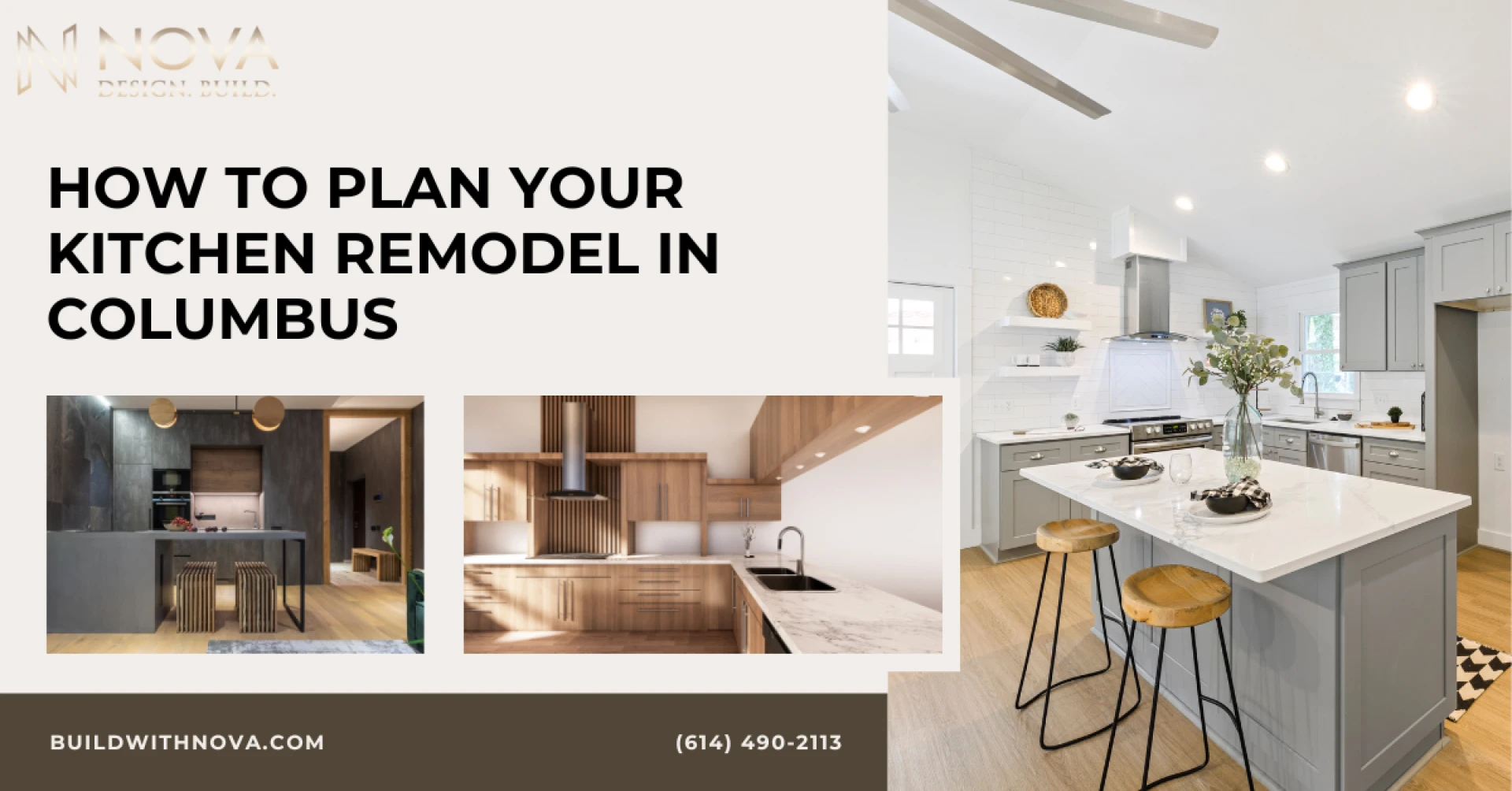

How should you plan a kitchen remodel that genuinely works? When is the right time to start in Columbus?
Most homeowners don’t realize how many decisions go into a kitchen remodel until they’re already halfway through one. Suddenly, every choice feels expensive, permanent, and a little stressful. If you’re researching home remodeling Columbus Ohio, chances are you’re trying to avoid exactly that situation.
The goal of this guide is to help you plan your kitchen remodel in a way that saves money, avoids delays, and gives you a space that genuinely works for your daily life.
Common Reasons Kitchen Remodels Lose Direction
Kitchens are one of the most complex rooms in a home. They combine structural elements (walls and framing that support weight), mechanical systems (plumbing, gas, electrical), and heavy daily use—all in one room. That’s why kitchen projects fail when homeowners treat them like surface-level upgrades.
Professionals working in Columbus kitchen remodeling see the same issue repeatedly - homeowners start with finishes instead of function. Cabinets and countertops are exciting. Workflow, storage, and utilities don’t feel urgent, until they cause problems.
What you gain by planning properly: Fewer surprises, fewer change orders, and a kitchen that still feels good five years from now.
Clarifying Functional Goals Before Selecting Finishes
Before you choose anything visually appealing, be sure to know what’s not working:
- Do you run out of counter space every night?
- Are appliances fighting for outlets?
- Is storage forcing clutter onto surfaces?
Example:
One Columbus homeowner thought they needed luxury cabinets. Turns out, their real issue was poor kitchen zoning—the way prep, cooking, and cleanup areas were arranged. A layout adjustment solved the problem without a massive budget increase.
Creating a Realistic Budget with Built-In Contingencies
A realistic remodel budget includes more than materials and labor. Older Columbus homes often hide outdated wiring or plumbing behind walls.
Plan for:
- A contingency reserve (10–15%) for hidden issues
- Permit and inspection timelines
- Temporary cooking arrangements if the kitchen is offline
From a business and ROI point of view, planning for disruption upfront costs less than stopping mid-project.
Selecting Materials for Durability and Long-Term Performance
Some finishes photograph beautifully but struggle in real kitchens. Think about:
- Cabinet joinery (how boxes are assembled)
- Countertop maintenance cycles
- Flooring rated for moisture and traffic
Here’s a quick comparison that homeowners often overlook:
| Decision Area | Trend-Based Choice | Use-Based Choice |
| Cabinets | Decorative finishes | Durable box construction |
| Counters | High-gloss stone | Low-porosity surfaces |
| Flooring | Style-forward | Slip- and moisture-resistant |
The second option almost always performs better long term.
Accounting for Adjacent Spaces and Shared Systems
Kitchens share plumbing and electrical systems with nearby rooms. That’s why many homeowners browse online with terms like “bathroom remodelers near me” and end up speaking with professionals during kitchen planning—even if the bathroom isn’t being renovated yet.
Coordinating upgrades reduces duplicated labor and future demolition. It’s not about spending more, it’s about spending once.
Designing for Future Needs and Lifestyle Changes
A good kitchen remodel considers what comes next:
- Aging in place
- Growing families
- Remote work
- Energy efficiency
When homeowners search for “kitchen remodelers near me”, they often focus on speed. Longevity matters more. Small upgrades like better lighting zones or dedicated appliance circuits quietly add years of usefulness.
A Columbus-Based Example
A homeowner in Clintonville planned a simple kitchen update. During demolition, outdated plumbing was discovered. Because the plan allowed flexibility, they upgraded shared lines that later supported Columbus bathroom remodeling—avoiding another tear-out years later.
That’s real cost control.
FAQs
Q: How long should I expect a kitchen remodel to take?
A: Most full kitchen remodels take 6–10 weeks once construction starts, depending on inspections and material availability.
Q: Is permitting really necessary?
A: Yes. Permits protect resale value, safety, and insurance coverage.
Q: What delivers the strongest return on investment?
A: Improved layout, durable materials, and efficient systems—not luxury finishes alone.
Bringing Your Kitchen Remodel Plan Together
A kitchen remodel shouldn’t feel like a gamble. When planning focuses on function, risk, and long-term value, the project becomes predictable and rewarding.
Start with a layout and systems assessment from professional companies like Nova Design Build before choosing finishes. That one decision often saves thousands and a lot of regret.



























Sign in to leave a comment.