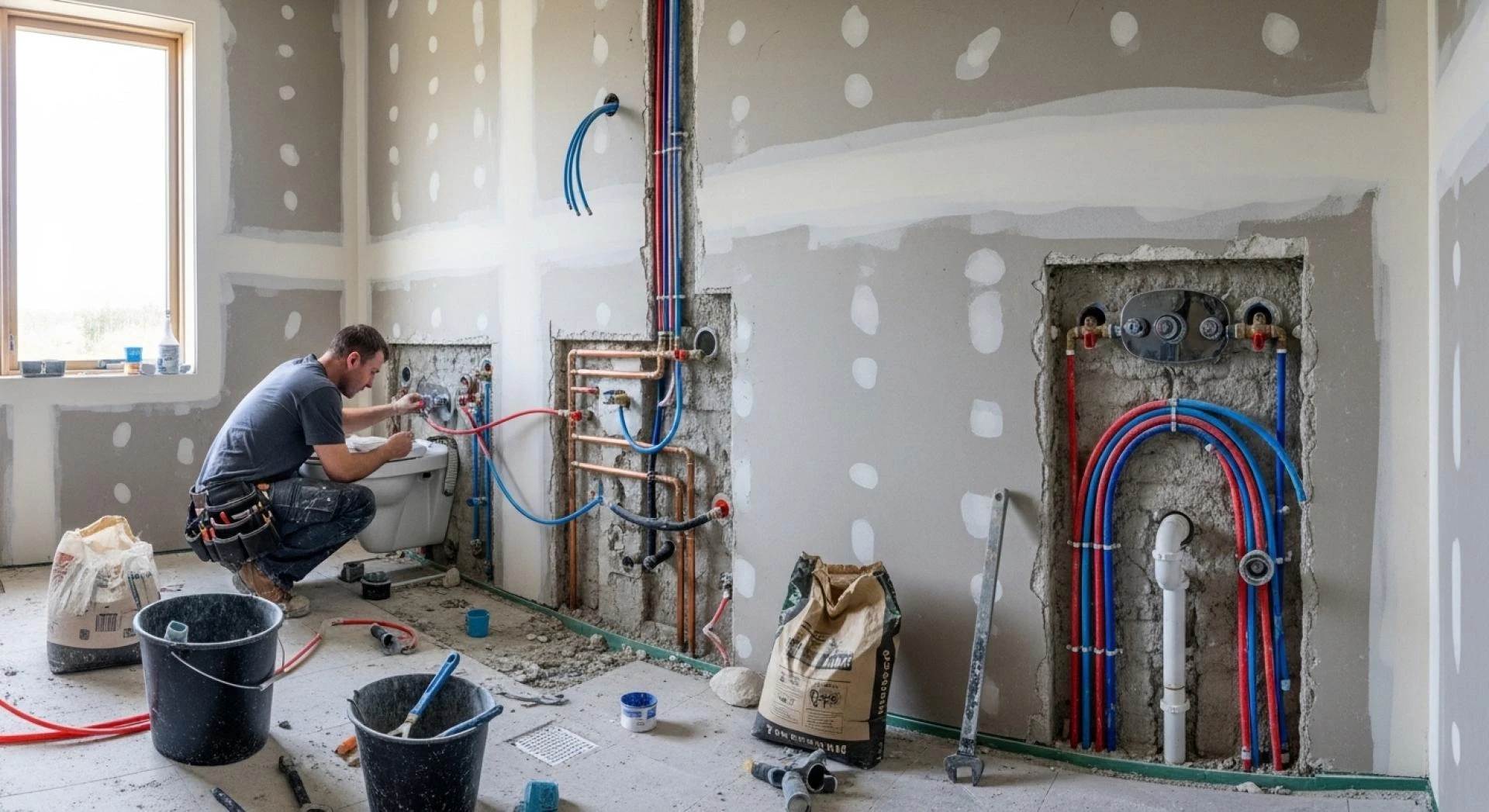

Plumbing renovations are a critical part of home improvement, and proper preparation can save time, stress, and money. The cost of plumbing renovations in the United Kingdom typically ranges from £1,000 to £10,000, depending on the size of the home, the type of pipes, the materials used, and the extent of the work required. Having a clear understanding of expenses in advance will help homeowners plan their budget efficiently.
Homeowners planning plumbing renovations should consider using accurate plumbing takeoffs to gain a detailed breakdown of project requirements. These estimating services help outline materials, labour costs, and potential additional expenses, allowing for better budgeting and minimizing the risk of unexpected bills.
Plumbing renovations are not just about changing pipes or installing new faucets; they also include tasks such as replacing old pipes, upgrading fixtures, repairing leaks, improving water pressure, and sometimes modifying the layout of bathrooms, kitchens, or utility areas. Every step of the process requires careful planning and preparation to ensure safety, efficiency, and smooth progress. Preparing a home for plumbing renovations requires physical readiness, organisation, and an understanding of the technical requirements.
Plan for the renovations and establish a budget
Before any plumbing project, plan carefully. Homeowners should list the areas of their home that require plumbing work, including bathrooms, laundry rooms, utility spaces, and outdoor systems. When planning, it is necessary to know the required changes, the materials you'll use, and the completion timeframe. Budgeting also plays a role. You should set aside ten percent to twenty percent of your estimated costs for unexpected repairs and additional materials. An estimate of construction costs is useful because it provides a full breakdown of labor and materials, as well as any potential additional expenses.
Include in your budget the costs for shutting off the main water supply, removing the old fixtures or transporting them, and any arrangements you may need to make for a temporary water supply if it will be disrupted. When homeowners have a well-planned budget, they can more easily manage costs and avoid delays during renovation.
Renovation Area to Be Cleaned
To begin any plumbing renovation, you must completely de-clutter the work area. Before beginning any work, homeowners should remove furniture, rugs, appliances, and all other items from bathrooms, kitchens, or utility areas. Avoid damaging fragile items by moving them to a separate room. To make plumbers more efficient, it is best to clear the entire area.
Additionally, covering floors with protective cardboard or plastic sheets helps prevent scratches from cement and other materials, as well as water damage and stains. Walls and cabinets may also require protective coverings to prevent damage during installation, repair, or tool use.
Close water and Electricity
Safety is of paramount importance when performing plumbing repairs. The homeowner should shut off the main water supply before starting any renovations. This will prevent flooding and water damage. You should also check that your main shut-off works. Plumbers may require a partial shutdown of some areas.
Similarly, the handling of electricity around plumbing is important. Because water and electricity are a dangerous combination, you should turn off the power near any work zone. A licensed electrician should be consulted if electrical outlets are near plumbing.
Plumbing structure
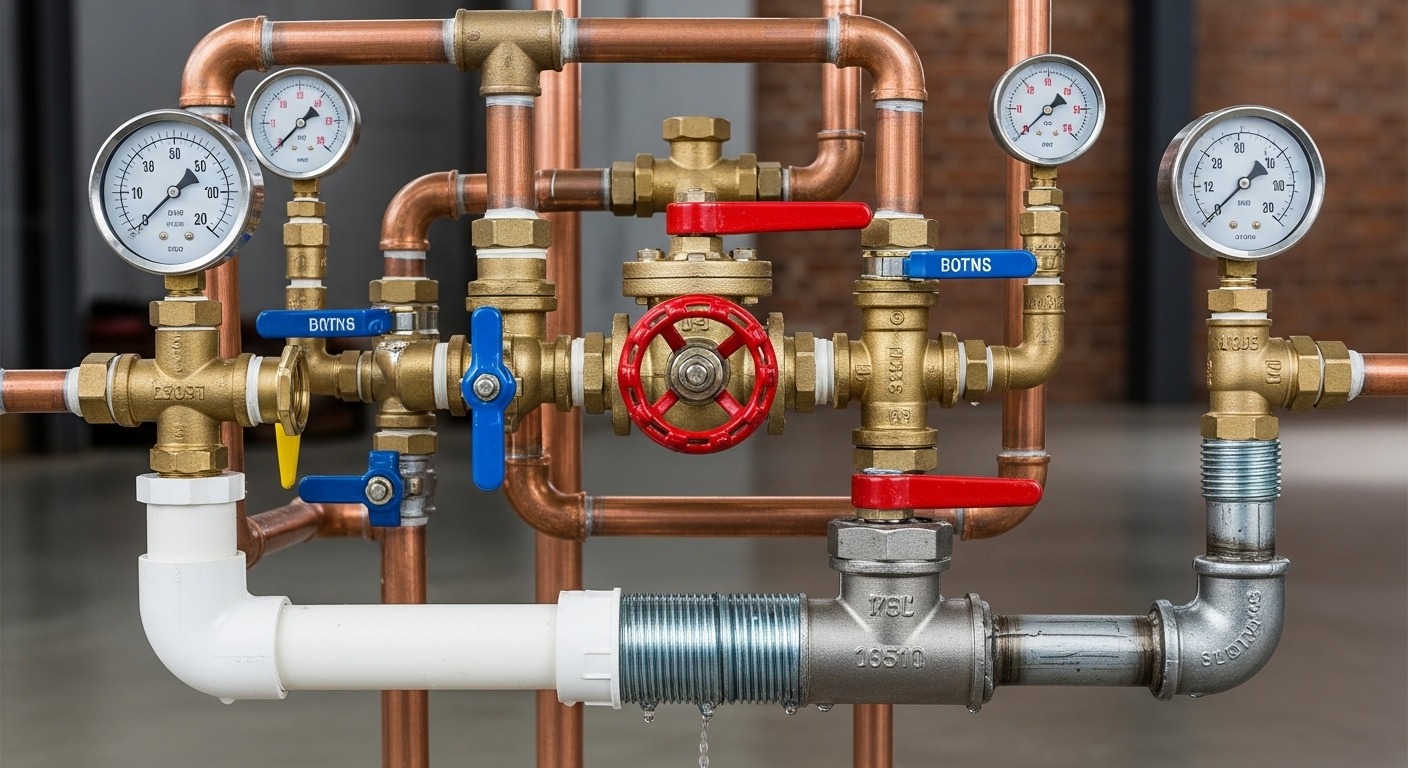
The plumbing structure and existing fixtures should be inspected after removing the old fixtures. Plumbers are trained to check for leaks or corrosion in pipes or walls. Plumbers will discuss visible problems with homeowners.
It is important to inspect the new plumbing systems before installation. This ensures their durability, safety, and that there will be no future issues. In some cases, issues are discovered during the inspection. Having a contingency budget is crucial for covering these types of repairs.
Ensure Proper Ventilation
Work on plumbing projects often involves adhesives or sealants, dust, paint, and other materials. Work areas should be properly ventilated to prevent inhalation and maintain a healthy air environment for homeowners and employees. When renovating, opening windows, using a fan, or installing temporary ventilators is advised. The airflow will also help to quickly dry the surfaces, preventing any moisture accumulation that could affect your new plumbing.
During renovation, valuables and important documents can be damaged by water, dust, or accidents. It is important to move valuables, including jewelry, electronics, important documents, electronic devices, and other delicate items, to a designated safe room. Additional security can be achieved by planning with waterproofing estimating, which helps assess potential moisture risks and identify the right protective solutions for storage areas.
Communicate with the plumber clearly
Successful renovations require good communication with your plumber. Talking about renovations, including the budget, timing, choice of materials, and other expectations with the plumber, will ensure that you get your project done successfully. To ensure that homeowners understand every step, they should ask about the procedure, maintenance, or warranty. Clear communication will prevent misunderstandings. Quality work is ensured, and extra costs are avoided.
Prepare for Delays and Interruptions
Even with meticulous planning, it is possible that plumbing renovations will be delayed due to unexpected issues. These include hidden leaks and structural problems. Be mentally ready for delays and be flexible with your plans. You can reduce frustration by establishing alternative habits for tasks such as water use, meal planning, or cleaning.
Homeowners must follow safe renovation protocols, particularly in areas with children or pets. To prevent accidents, keep dangerous tools off-limits, mark wet floors, and limit access to working zones. Although plumbers must follow safety guidelines, homeowners are responsible for maintaining a safe environment.
Final Inspections Before Work Begins
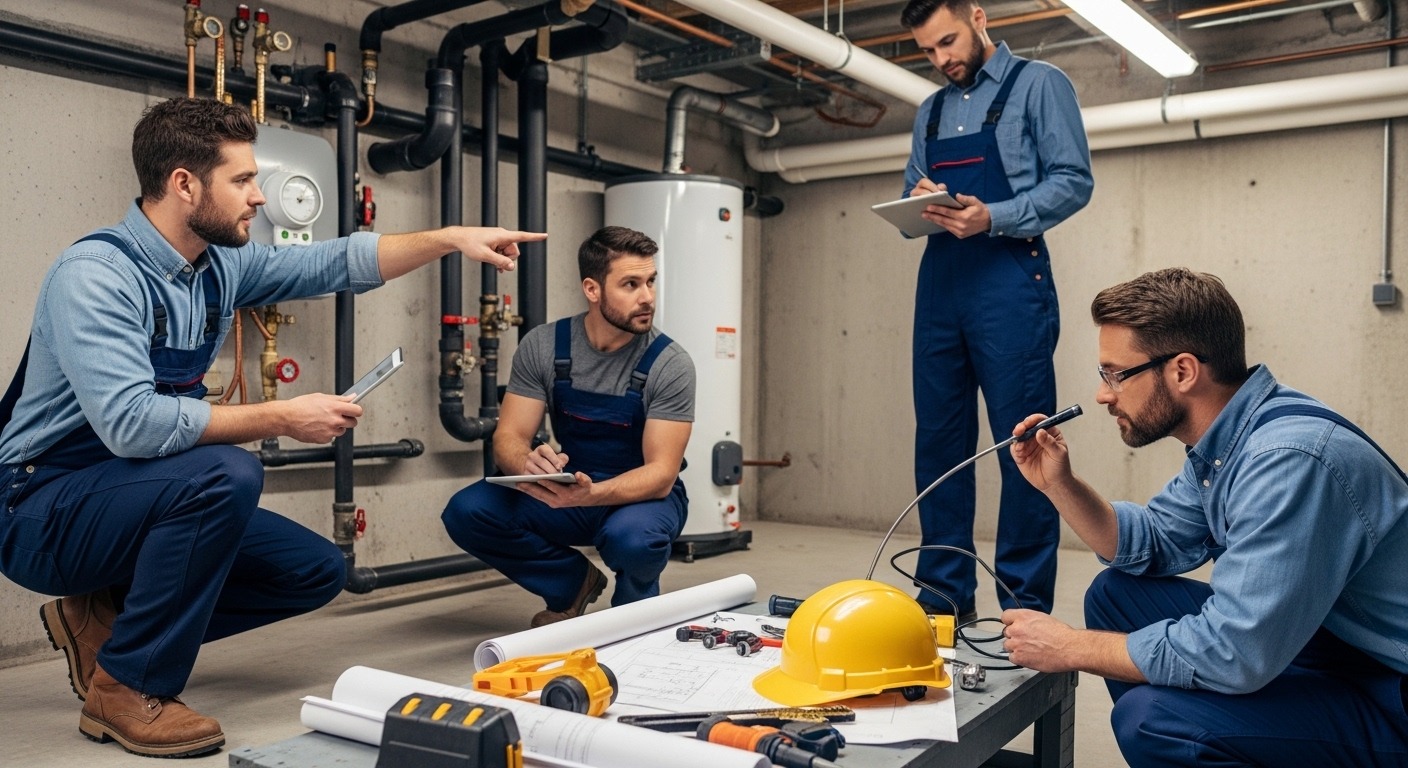
It is important to perform a final check of the work area before plumbing. By ensuring furniture is moved, coverings and protective measures are in place, electricity and water are shut off, and the temporary arrangement is ready, you can ensure smooth progress. Final discussions with the plumbing professional about timeframes, expectations, and responsibilities provide both parties with clarity.
During Renovation
While renovating, the homeowner must monitor the work without interfering. By verifying that materials and work are completed in accordance with the original specifications, you can avoid errors. Periodic checks ensure compliance with safety standards and quality standards.
After Renovation
When the work is completed, inspect every installation carefully. You should check your plumbing for leaks. Also, ensure there is good water flow and secure fixtures. The plumber must provide advice about maintenance, warranties, and how to care for your plumbing. After renovation, the process is finished by cleaning, removing all protective materials, and disposing of any leftovers.
Final Verdict
Prepare your home to receive plumbing upgrades. Doing so will help ensure that all work is performed safely, efficiently, and without any unnecessary stress. Each step in the process, including planning the work, establishing a firm budget, using a construction estimator, clearing the area, and shutting off power and water to protect your belongings, contributes to the smooth running of the renovation. Communicating with your plumber to arrange temporary water service and plan for delays will help you avoid unpleasant surprises.
After completion of work, it is important to inspect, clean, and maintain the plumbing systems to prevent future issues. The homeowner can protect their investment and also make their home functional, comfortable, and safe by following the detailed steps. Plumbing renovations can be daunting if not properly planned.
FAQs
How long does a home plumbing renovation take?
The duration of plumbing renovations depends on your home's size and scope, as well as the complexity of the work. Plumbing renovations can be completed in a day for a smaller bathroom. But large plumbing projects that include kitchens or bathrooms as well as utility rooms, could take several weeks.
Is it necessary to hire a professional plumber for home renovations?
Hire a professional to ensure compliance with all local regulations and quality standards. Plumbing professionals have the skills and experience to complete complex installations and avoid future problems.
What are the typical costs for plumbing renovations in the United Kingdom?
Major renovations may cost up to £ 10,000. Material costs, labour fees, the scope of work, and any unforeseen repairs can all affect your costs.


























Sign in to leave a comment.