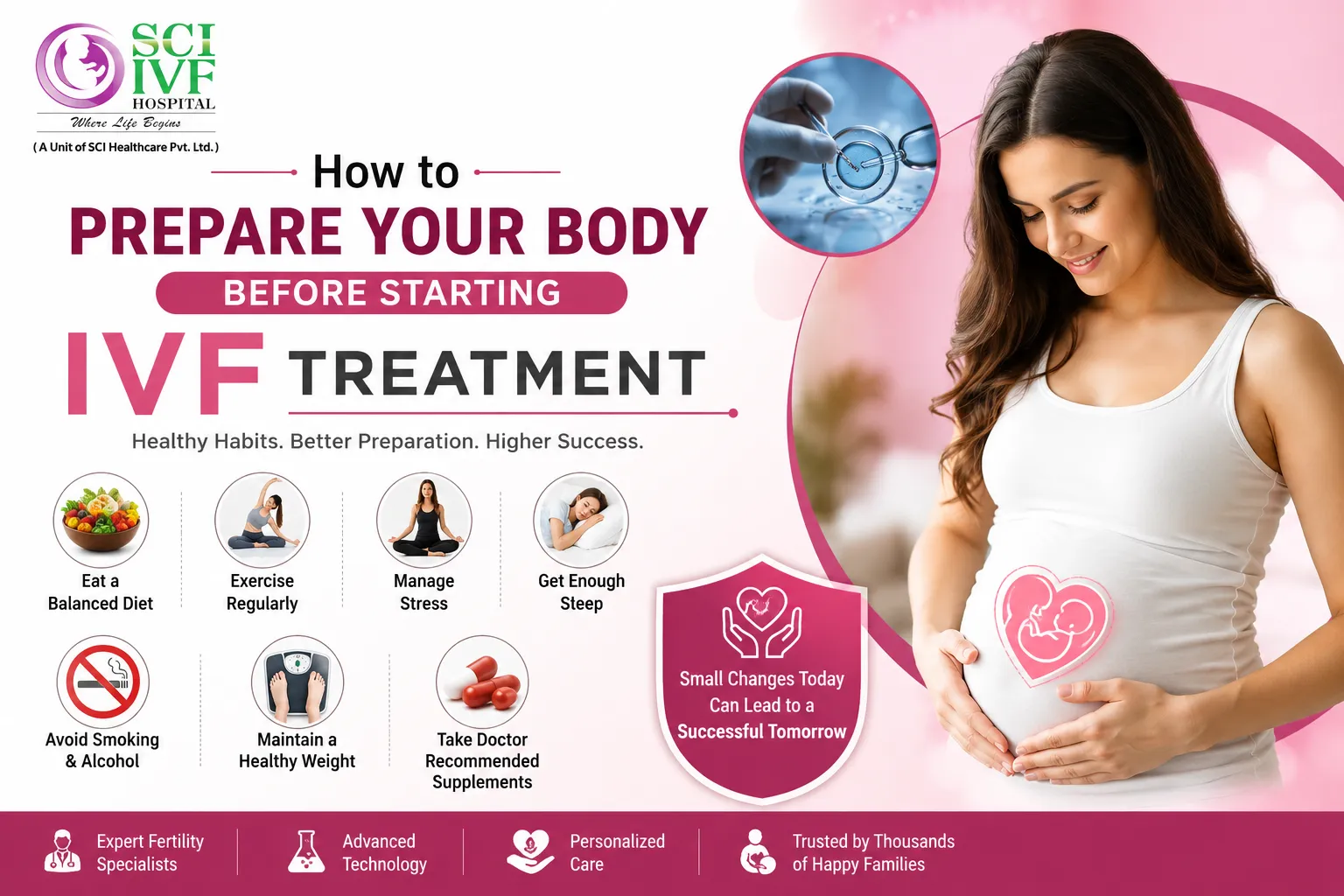

Preparing for IVF Treatment involves more than scheduling appointments and taking medications. Your overall health can significantly influence the success of your fertility journey. Whether you're beginning your first cycle or trying again after a previous attempt, adopting healthy habits before treatment can improve your body's readiness for conception. From nutrition and exercise to stress management and medical evaluations, every step plays an important role in supporting reproductive health.
If you're planning treatment at a trusted IVF Hospital in Delhi, preparing your body in advance can help optimize egg and sperm quality, improve uterine health, and enhance your IVF Success Rate. Let's explore the essential steps you should take before starting your fertility journey.
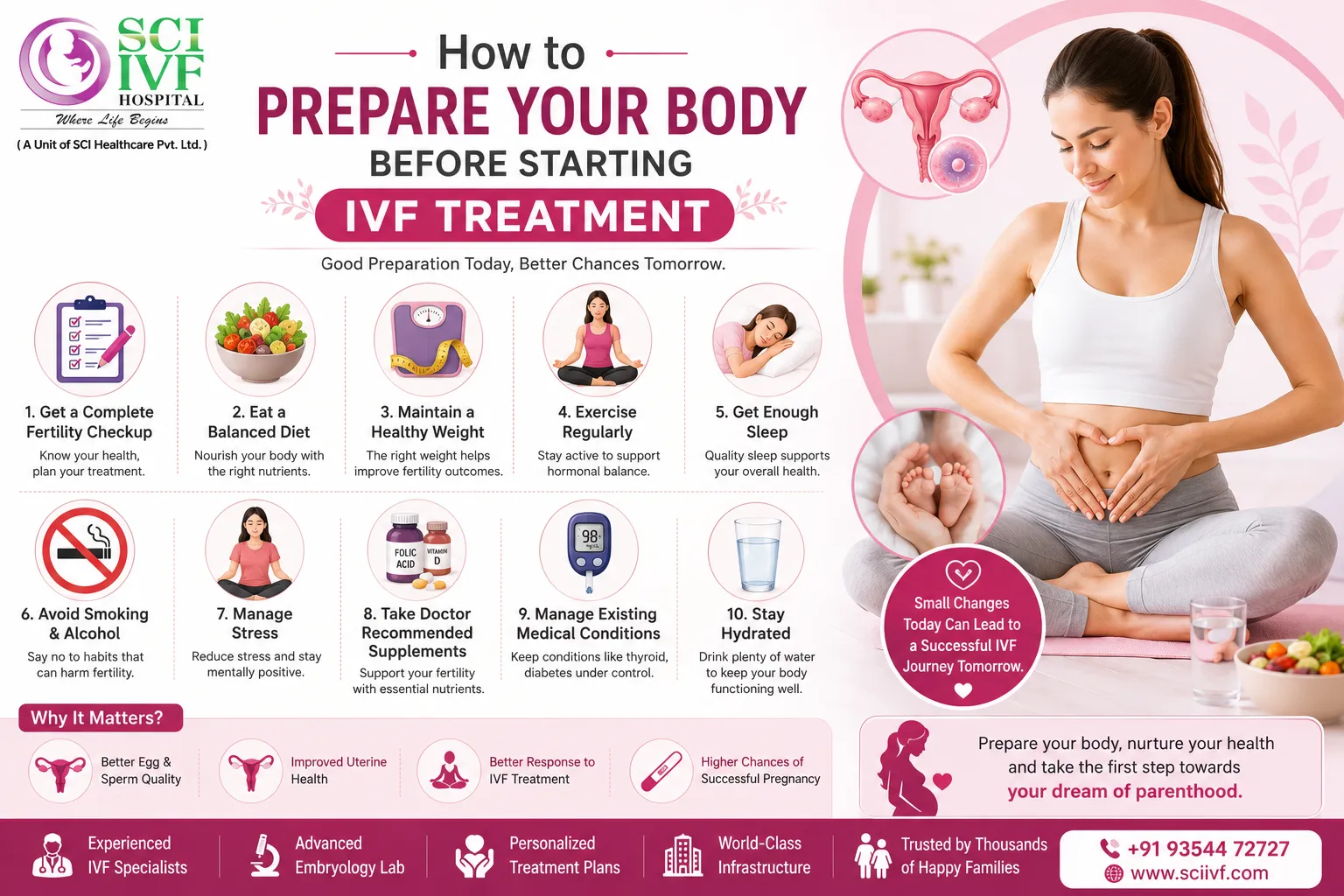
1. Schedule a Comprehensive Fertility Evaluation
Before beginning In Vitro Fertilization (IVF), both partners should undergo a detailed fertility assessment. This helps fertility specialists understand the underlying cause of infertility and develop a personalized treatment plan.
Your evaluation may include:
- Hormone testing
- Ovarian reserve assessment
- Semen analysis
- Ultrasound scans
- Uterine cavity evaluation
- Blood investigations
Early diagnosis allows your doctor to address any medical concerns before starting Infertility Treatment, improving the chances of a successful pregnancy.
2. Follow a Fertility-Friendly Diet
Nutrition plays a vital role in reproductive health. A balanced diet provides essential nutrients that support healthy egg development, sperm quality, and hormone production.
Include foods such as:
- Fresh fruits and vegetables
- Whole grains
- Lean proteins
- Eggs
- Fish rich in omega-3 fatty acids
- Nuts and seeds
- Dairy products
- Healthy fats like olive oil and avocado
Foods rich in antioxidants, folate, iron, zinc, vitamin D, and calcium help prepare the body for fertility treatment.
Avoid excessive sugar, processed foods, and trans fats, as these may negatively affect fertility.
3. Maintain a Healthy Weight
Body weight directly affects fertility hormones and reproductive function.
Women who are overweight or underweight may experience:
- Irregular ovulation
- Hormonal imbalance
- Poor response to fertility medications
- Reduced implantation rates
Achieving a healthy Body Mass Index (BMI) before IVF Treatment can improve ovarian response and pregnancy outcomes.
Your fertility specialist may recommend gradual weight management through healthy eating and regular physical activity.
4. Exercise Regularly
Moderate exercise improves blood circulation, supports hormonal balance, reduces stress, and helps maintain a healthy weight.
Recommended activities include:
- Walking
- Yoga
- Swimming
- Cycling
- Stretching
- Light strength training
Avoid excessive or high-intensity workouts immediately before and during IVF stimulation unless advised by your doctor.
Exercise also contributes to better cardiovascular health, which supports overall fertility.
5. Stop Smoking and Avoid Alcohol
Smoking is one of the leading lifestyle factors that negatively affects fertility in both men and women.
Smoking may:
- Reduce egg quality
- Lower sperm count
- Increase DNA damage in sperm
- Decrease embryo quality
- Lower implantation rates
Similarly, excessive alcohol consumption can interfere with reproductive hormones.
Couples preparing for Assisted Reproductive Technology (ART) should stop smoking and avoid alcohol several months before treatment whenever possible.
6. Get Enough Sleep
Quality sleep supports hormone regulation, immune function, and overall health.
Aim for:
- 7–9 hours of sleep every night
- A consistent bedtime routine
- Reduced screen time before bed
Poor sleep has been linked to hormonal imbalance and increased stress, both of which may affect fertility.
7. Manage Stress Effectively
Trying to conceive can be emotionally demanding, especially when fertility treatment is involved.
While stress alone does not cause infertility, chronic stress may affect your physical and emotional well-being.
Healthy stress-management techniques include:
- Meditation
- Deep breathing exercises
- Yoga
- Mindfulness
- Counseling
- Spending time with supportive family and friends
Maintaining emotional wellness can make the IVF journey more manageable.
8. Take Only Doctor-Recommended Supplements
Many patients begin fertility supplements without medical guidance. However, taking unnecessary supplements may not provide additional benefits.
Common supplements recommended before IVF include:
- Folic acid
- Vitamin D
- Iron (if deficient)
- Omega-3 fatty acids
- Coenzyme Q10 (for selected patients)
Your fertility specialist will recommend supplements based on your medical history and nutritional needs.
9. Manage Existing Medical Conditions
Chronic medical conditions should be well-controlled before beginning fertility treatment.
Conditions that require careful management include:
- Thyroid disorders
- Diabetes
- Polycystic Ovary Syndrome (PCOS)
- Endometriosis
- High blood pressure
Proper management of these conditions can improve the effectiveness of Infertility Treatment and reduce pregnancy-related complications.
10. Encourage Male Fertility
Preparing for IVF is not only about the female partner. Male reproductive health is equally important.
To improve sperm quality:
- Eat a balanced diet.
- Exercise regularly.
- Avoid smoking.
- Limit alcohol.
- Maintain a healthy weight.
- Avoid excessive heat exposure to the testicles.
- Get adequate sleep.
Men with fertility concerns may benefit from specialized Male Infertility Treatment before beginning IVF.
11. Stay Hydrated
Proper hydration supports circulation, metabolism, and overall health.
Aim to drink plenty of water throughout the day and reduce sugary beverages.
Hydration also supports your body during ovarian stimulation and recovery after egg retrieval.
12. Follow Your Fertility Specialist's Instructions
Every IVF cycle is different.
Carefully follow your doctor's recommendations regarding:
- Medications
- Fertility injections
- Blood tests
- Ultrasound appointments
- Diet and activity restrictions
Adhering to your personalized treatment plan helps maximize the chances of success.
Why Choose SCI IVF Hospital?
Choosing the right fertility clinic is one of the most important decisions in your parenthood journey. SCI IVF Hospital is recognized as a leading Best IVF Centre in Delhi, offering advanced fertility treatments supported by experienced specialists and state-of-the-art reproductive technology.
The hospital provides comprehensive fertility services, including IVF Treatment, ICSI Treatment, IUI Treatment, Male Infertility Treatment, fertility preservation, blastocyst culture, embryo biopsy, Frozen Embryo Transfer (FET), donor programs, and personalized Infertility Treatment plans. Every patient receives a thorough fertility evaluation to identify the root cause of infertility and develop a customized treatment strategy.
With advanced embryology laboratories, evidence-based protocols, and compassionate patient care, SCI IVF Hospital has helped thousands of couples from India and across the globe fulfill their dream of becoming parents. Whether you're looking for a trusted IVF Hospital in Delhi or a highly experienced Fertility Centre in Delhi, SCI IVF Hospital offers comprehensive fertility care designed to improve treatment outcomes.




























Sign in to leave a comment.