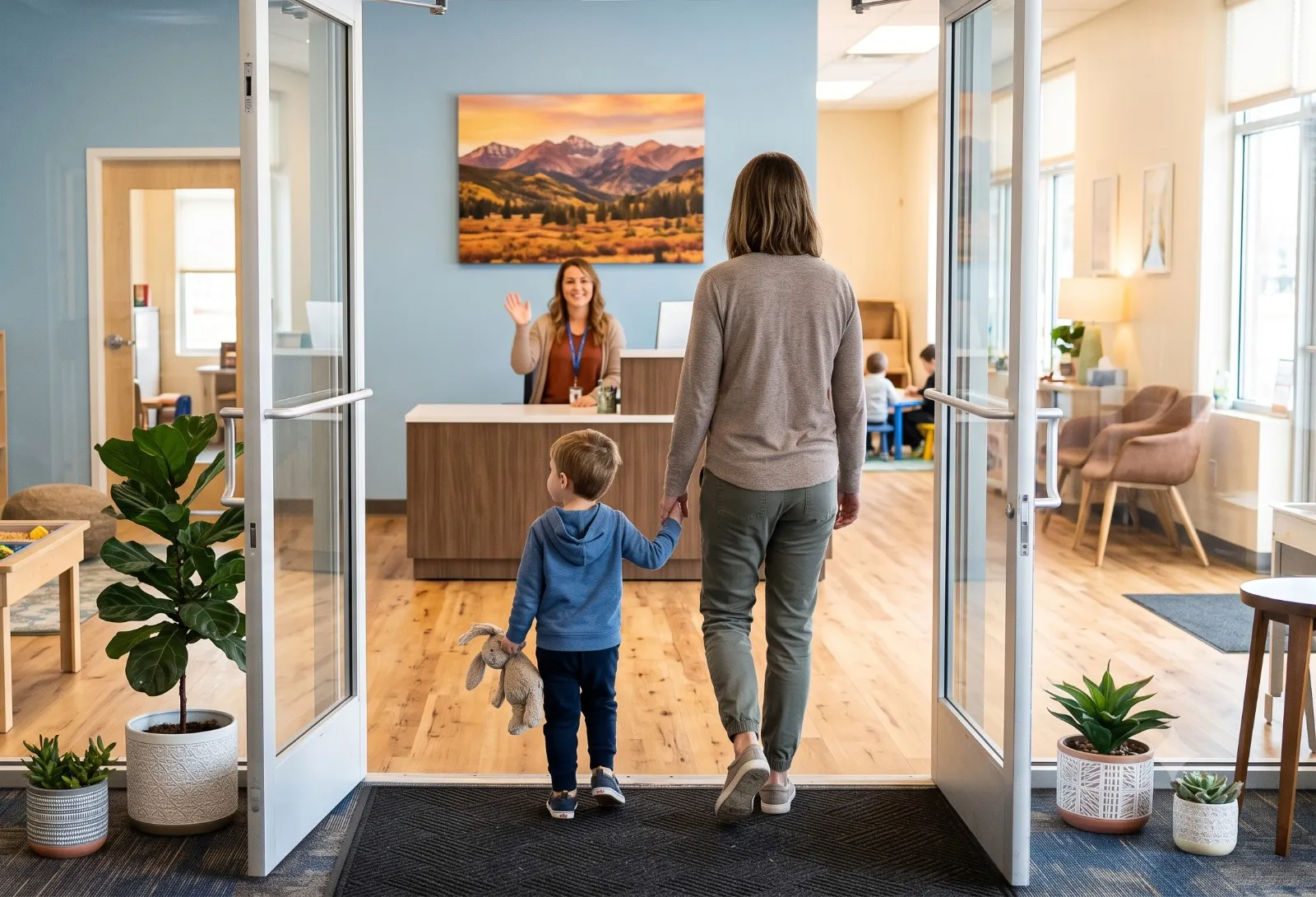

Most families walk into their first ABA center visit carrying more questions than they know how to ask. The intake process at a reputable center involves more than a tour, and understanding what happens during those first few visits can help parents arrive prepared rather than overwhelmed.
Colorado ABA providers licensed under the state's behavioral health regulations typically begin with a comprehensive assessment before any direct therapy starts. A Board Certified Behavior Analyst will review prior evaluation records, including any ADOS-2 or ADI-R results from the diagnosing clinician, and conduct their own intake interview with caregivers. Some centers also use tools like the VB-MAPP or ABLLS-R to establish skill baselines. This usually takes one to two sessions before a treatment plan is drafted.
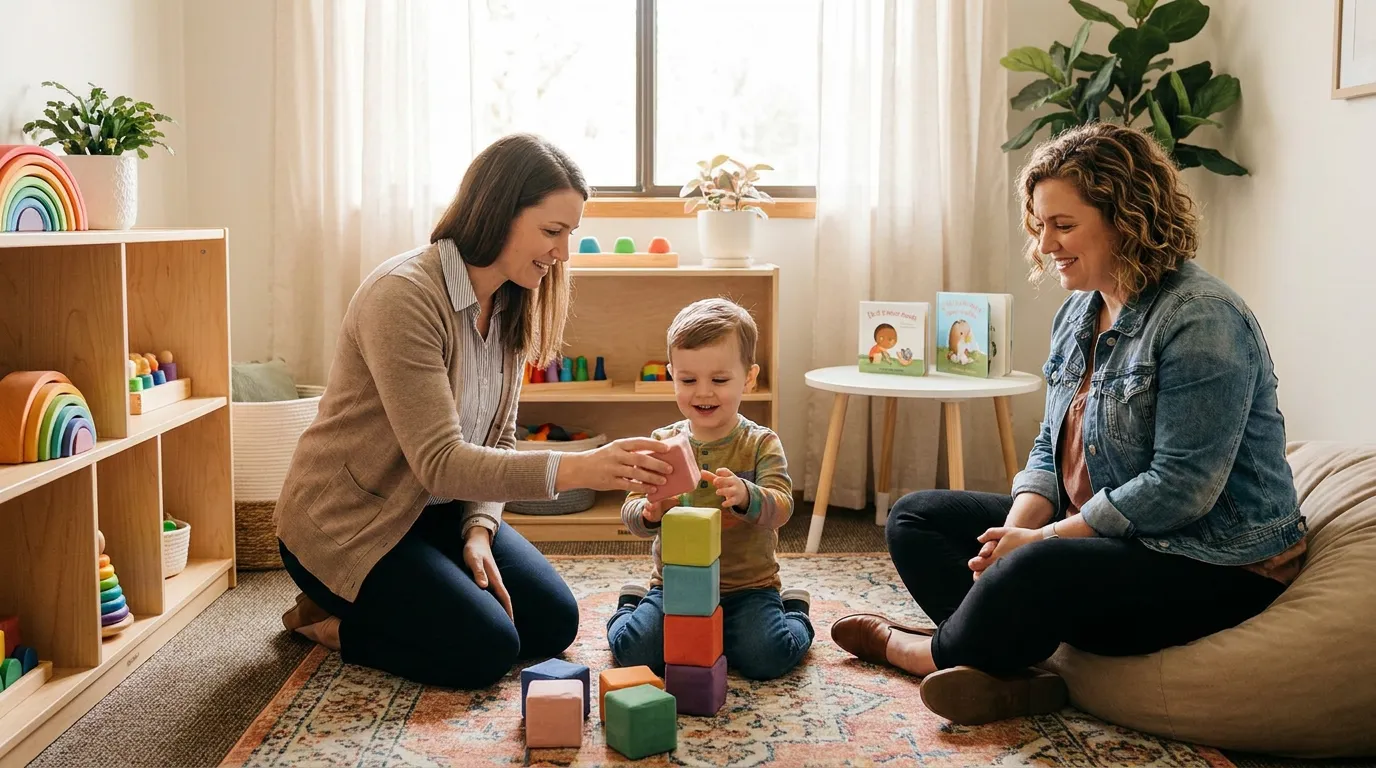
The center environment itself varies depending on the service model. Clinic-based programs often include a mix of structured one-on-one rooms and natural environment areas designed to look more like a home or classroom setting. This distinction matters because a well-designed ABA program moves between discrete trial training and naturalistic teaching throughout the day, not just at a table with flashcards.
What the First Few Weeks Look Like
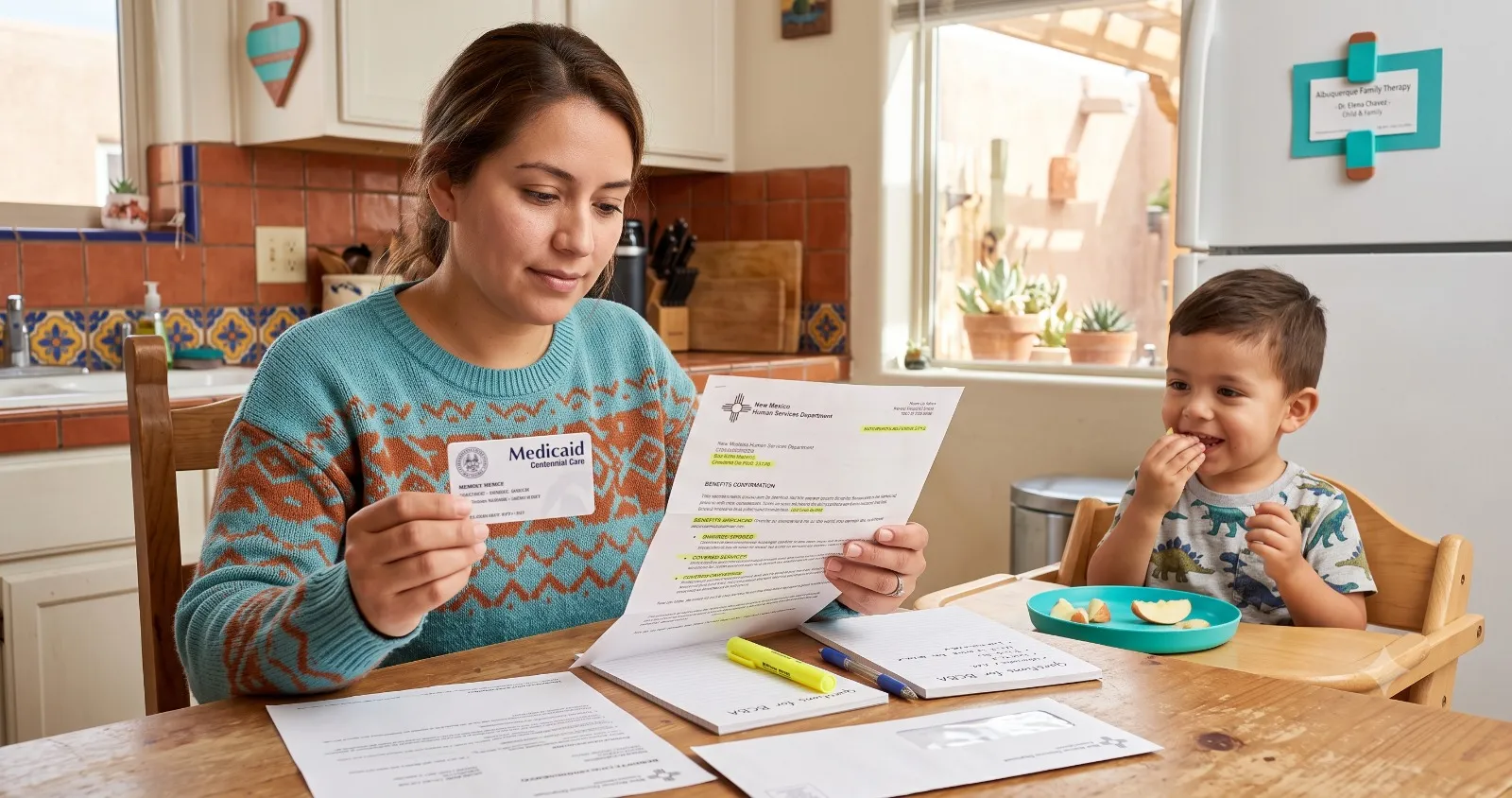
Once an individualized treatment plan is approved, families in Colorado using Health First Colorado (the state's Medicaid program) or a private insurer will need prior authorization before services begin. This is handled by the provider, but it is worth asking about the expected timeline so you are not caught waiting without a plan in place.
Registered Behavior Technicians, supervised by the BCBA on staff, carry out most of the direct therapy. Expect to see session notes and data shared with you regularly. Providers who are doing this well will invite caregivers into sessions as observers and train parents in generalization strategies so skills do not stay locked inside the clinic walls.
Families looking to compare options or confirm availability can find Cedar Grove ABA locations and reach out to schedule an initial consultation. Bringing your child's most recent evaluation report and a list of current goals from their IEP, if they have one, will make that first meeting more productive.
Questions Worth Asking Before You Commit
The ratio of RBTs to BCBAs matters more than most families realize. Ask how many clients each BCBA supervises and how frequently that supervisor observes sessions in person versus reviewing data remotely. The BACB's professional standards on supervision ratios exist for a reason, and providers who take those seriously will answer that question without hesitation.
Ask about caregiver training as well. Colorado's autism insurance mandate, passed under House Bill 08-1004, requires insurers to cover ABA, but it does not specify what quality looks like. A program that builds your capacity as a parent to reinforce skills at home is doing more than one that treats your child like a client in isolation. Skills learned only in a clinic rarely transfer without intentional practice in the natural environment. The families who get the most out of ABA tend to be the ones who show up curious, ask questions, and stay engaged throughout.





























Sign in to leave a comment.