

Applied Behavior Analysis is not a simple concept to grasp when you first encounter it. For parents who have just received an autism diagnosis for their child, the terminology alone — BCBAs, RBTs, DTT, NET, functional behavior assessments — can feel like another language. This guide is designed to break down what ABA actually is, how it is delivered in Colorado, and what families can realistically expect from the process.
The Science Behind ABA
ABA is grounded in the science of behavior and learning. At its core, it is based on the idea that behavior is influenced by what happens before it (antecedents) and what happens after it (consequences). By systematically adjusting these variables, ABA practitioners can increase behaviors that help a child learn and thrive while reducing behaviors that are unsafe or interfere with development.
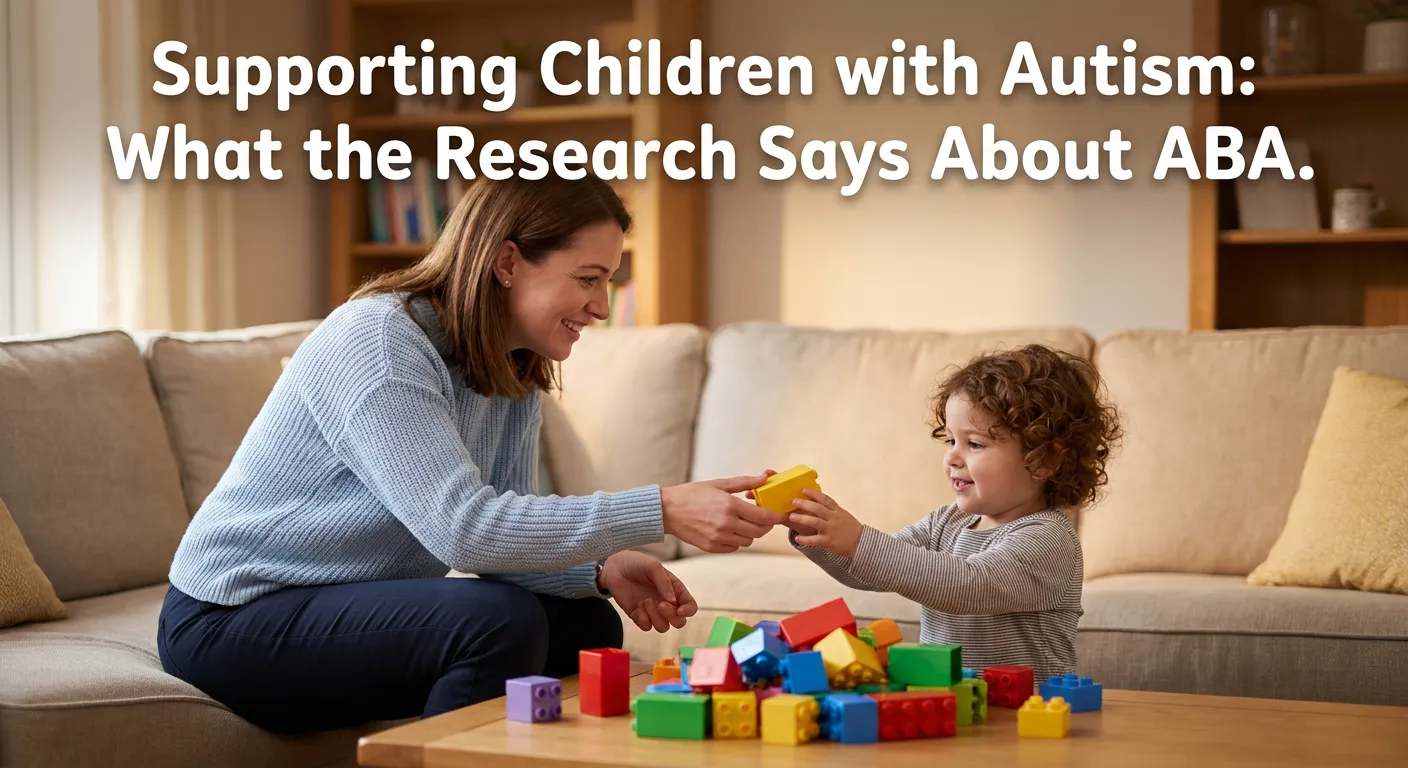
This is not about punishment or compliance for its own sake. Modern ABA is naturalistic and child-led in many of its approaches, using play and meaningful activities to teach skills in contexts that feel engaging and relevant to the child. The "therapy" does not always look like traditional therapy — it often looks like structured play, guided exploration, and everyday routines with embedded learning opportunities.
How ABA Programs Are Structured in Colorado
In Colorado, ABA programs are typically supervised by Board Certified Behavior Analysts, who design individual treatment plans and review data regularly. Direct services are provided by Registered Behavior Technicians (RBTs) who implement the program during one-on-one sessions with the child.
Treatment can take place in multiple settings. Clinic-based programs provide a structured environment with consistent materials and trained staff on-site. Home-based programs bring therapy into the child's natural environment, which often accelerates generalization of skills. Some families access both, transitioning between settings as their child's needs evolve.
In Colorado, session intensity varies depending on the child's age, diagnosis, and goals. Young children with limited verbal and adaptive skills may receive more intensive programs — 20 to 40 hours per week — while older children or those with fewer support needs may engage in less intensive services.
Insurance Access for Families in Colorado
Colorado requires most commercial health insurance plans to cover ABA therapy for individuals with an autism diagnosis. This state mandate applies to fully insured plans regulated by Colorado, and many self-funded plans have adopted similar benefits voluntarily. Medicaid coverage for ABA is also available through Colorado's Health First Colorado program for families who qualify.
Getting coverage authorized typically requires a formal autism diagnosis, a BCBA-prepared treatment plan demonstrating medical necessity, and prior authorization from the insurer. Families working with an experienced provider will usually find that the provider manages most of this process.
For a comprehensive look at applied behavior analysis co options available in Colorado, connecting with a Denver-area provider is the best starting point for understanding what is available and how your insurance applies.
What Makes a Good ABA Program
Not all ABA programs are equal in quality. When evaluating providers in Colorado, look for programs that use individualized treatment plans rather than one-size-fits-all approaches, maintain low supervision ratios between BCBAs and RBTs, include parent training as a core component, and provide regular data-based progress reporting.
Parent training is particularly important. Research consistently shows that children make faster and more durable gains when their caregivers understand and use ABA strategies throughout the day — not just during scheduled therapy hours. A provider who invests in your training as a parent is investing in your child's long-term success.
Moving Forward
Once you have a diagnosis in hand, the path forward involves verifying your insurance benefits, connecting with a qualified ABA provider for an intake assessment, and beginning the authorization process. While the administrative steps can feel tedious, the clinical work that follows — and the progress many children make — makes navigating them worthwhile.

























Sign in to leave a comment.