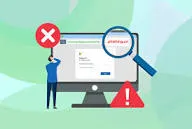

Every single day, people send over 3.4 billion deceptive emails designed to look like they come from trusted friends or household brands. You might think you are too smart to fall for a fake message but modern scams are no longer just about poorly spelled requests from distant princes. These digital traps are sophisticated, personalized and specifically designed to bypass your logical thinking - triggering your emotions.
Phishing is a method where criminals pretend to be a legitimate entity to steal your sensitive data - this includes usernames, passwords and credit card details. Because these attackers use social engineering, they target the human element rather than just trying to break through computer code. Understanding the mechanics of the traps is the first step in keeping your private life secure.
The Evolving Face of Digital Deception
In the early days of the internet, a scam was easy to spot because the grammar was terrible and the offers were too good to be true. Attackers use artificial intelligence to write perfect prose and mimic the exact branding of banks or delivery services. They study how real companies communicate so their fake messages look identical to the ones you receive every day - this evolution makes it harder for you to rely on a quick glance to stay safe.
The goal is usually to get you to visit a fraudulent website - these sites are clones of real login pages. When you enter your credentials, the person on the other end captures them instantly. You might find a detailed overview of hacking methods helpful if you want to understand the broader area of how these intruders operate once they have your information.
The Psychology Behind the Click
Why do smart people click on dangerous links? Scammers rely on a psychological concept called "amygdala hijack" By creating a sense of extreme urgency or fear, they force your brain to switch from logical processing to survival mode. When you are worried about a blocked bank account or a missed package, you are more likely to act quickly without checking the details.
Common emotional triggers include
- Fear of financial loss or account suspension.
- Curiosity about a mysterious "invoice" or "refund"
- Greed regarding a prize or an unexpected bonus.
- Respect for authority, like a message appearing to come from your boss.
By recognizing that a message is trying to make you feel panicked, you can pause - that five second pause is often enough to break the spell and allow your common sense to take over. You are the final line of defense for your own data.
Visual Red Flags in Your Inbox
Even the most polished scam usually has a few small errors. Look closely at the sender's email address. While the "Display Name" might say "Official Bank Support" the actual email address behind it is often a string of random characters or a slightly misspelled domain. As an example, instead of @amazon.com, it might be @amazon-support-security.net.
Check the greeting - Legitimate companies usually use your name because they have it in their database. Generic greetings like "Dear Valued Customer" or "Dear Member" are a sign that the email is part of a mass blast sent to millions of individuals. If a company you have done business with for years suddenly forgets your name, be suspicious.
Technical Indicators & Hidden Links
Links are the primary weapon in a phishing attack - You should never click a link without hovering your mouse cursor over it first. When you hover, the real destination URL appears in the corner of your browser or email client. If the text says "Click here to login" but the link points to a strange website you don't recognize, delete the email immediately.
Sometimes, attackers use URL shorteners to hide the destination. While businesses use these for marketing, they are also a favorite tool for scammers. If you are unsure about the safety of your digital environment, looking into effective self protection strategies can provide you with more technical layers of security, like two factor authentication.
Common link tricks
- Using a hyphen to create a look alike domain (e.g., apple login.com).
- Using numbers that look like letters (e.g., g00gle.com).
- Using a legitimate looking subdomain on a malicious primary domain.
Urgent Demands & Emotional Triggers
A legitimate service provider will almost never ask you to provide your password or credit card number over email. They also rarely give you a "one-hour deadline" to fix a problem before your account is deleted. If you receive a message that demands immediate action, it is a hallmark of a scam. The pressure is a tactic to stop you from calling the company directly to verify the claim.
Be particularly careful with attachments - Files like PDFs or Word documents can contain hidden scripts that install malware on your computer. If you weren't expecting a file, don't open it. Even if it looks like a receipt for something you actually bought, go to the official website - typing the address into your browser instead of clicking the email link.
Building Long Term Protective Habits
Consistency is your best friend when it comes to online safety. Use a password manager so you don't have to remember complex codes and enable multi factor authentication (MFA) on every account that allows it - this ensures that even if a scammer gets your password, they still cannot get into your account without a secondary code from your phone.
Keep your software updated - Many phishing attacks rely on old security holes in browsers or operating systems. When you see an update notification, install it. If you want to dive deeper into the technical side of how information is shared or hidden online, you might find an overview of data security platforms useful for your research.
Key habits for safety
- Never reply to suspicious emails - it confirms your address is active.
- Use a separate email for social media and financial accounts.
- Report phishing emails to your provider to help their filters learn.
FAQ
What should I do if I already clicked a link?
Disconnect your device from the internet immediately to stop any data transfer. Change your passwords from a different, clean device and scan your computer for viruses. You should also notify your bank if you entered any financial details.
Can a phishing email infect my computer if I just open it?
Simply opening an email is usually safe in modern email clients. The danger comes when you click a link, download an attachment or "enable macros" in a document. It is best to delete suspicious messages without opening them to avoid tracking pixels.
How do I report a phishing attempt?
Many email services like Gmail or Outlook have a "Report Phishing" button. You can also forward the email to the Anti Phishing Working Group or the specific company being impersonated so they can take down the fake website.
Is "https" in the URL a sign that a site is safe?
No. "Https" only means the connection is encrypted, not that the owner of the site is honest. Many scammers now use free security certificates to make their fake sites look professional and "secure" in the address bar.




























Sign in to leave a comment.