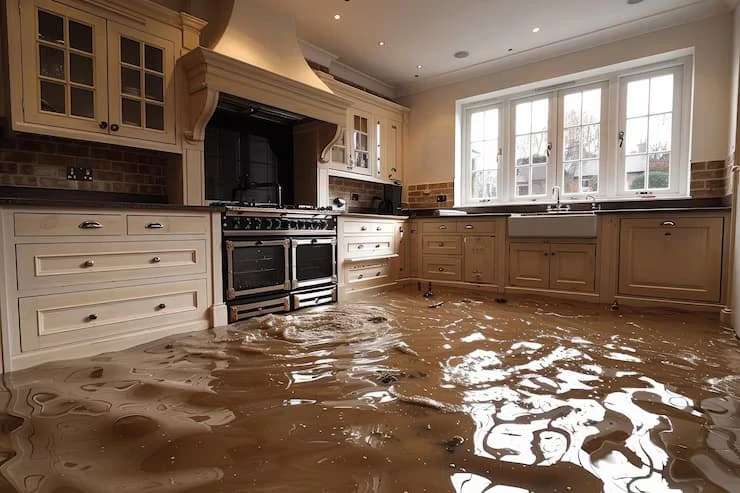

Water damage can be a devastating experience for property owners, leading to costly repairs, loss of belongings, and significant emotional stress. After undergoing a thorough water damage restoration, the focus should shift from recovery to prevention. Taking proactive measures to safeguard against future water damage is essential to protect property and ensure long-term integrity. This article outlines effective strategies for preventing future water damage after restoration, emphasizing the importance of vigilance and maintenance.
Understanding the Causes of Water Damage
Before implementing preventive measures, it is crucial to understand the common causes of water damage. These issues can arise from various sources, including:
- Plumbing Failures: Leaking pipes, malfunctioning appliances, and worn-out fixtures are frequent culprits. Even minor leaks can lead to significant damage over time if left unaddressed.
- Roofing Issues: Damage from storms, fallen branches, or poor maintenance can create vulnerabilities in roofing systems, allowing water to infiltrate the structure.
- Foundation Problems: Cracks or gaps in the foundation can permit water to seep into basements and crawl spaces, especially during heavy rain or flooding.
- Poor Drainage: Inefficient drainage systems can cause water to pool around the property, increasing the risk of water intrusion.
By recognizing these potential hazards, property owners can take steps to mitigate risks and prevent future incidents.
Regular Maintenance and Inspections
One of the most effective ways to prevent future water damage is through regular maintenance and inspections of the property. Property owners should establish a routine schedule to assess areas that are prone to water issues, such as:
- Plumbing Systems: Regularly check pipes, faucets, and appliances for signs of leaks or corrosion. Addressing small issues before they escalate can save time and money.
- Roofing: Periodically inspect the roof for missing shingles, cracks, or debris buildup in gutters. Cleaning gutters and downspouts ensures proper water flow and minimizes the risk of water pooling on the roof.
- Foundation: Inspect the foundation for cracks or gaps that may allow water to enter. Sealing any identified vulnerabilities can prevent water intrusion during heavy rainfall.
- Basements and Crawl Spaces: These areas should be monitored for dampness or moisture buildup. Installing a dehumidifier can help maintain optimal humidity levels and prevent mold growth.
By staying proactive with maintenance, property owners can identify potential problems before they lead to significant water damage.
Investing in Quality Materials and Upgrades
After a water damage restoration, it is essential to evaluate the materials used in the property. Investing in high-quality materials can significantly reduce the risk of future damage. Consider the following upgrades:
- Water-Resistant Materials: When replacing flooring, drywall, or insulation, opt for water-resistant materials designed to withstand moisture. For example, vinyl or tile flooring can be more resilient than traditional carpeting in areas prone to water exposure.
- Improved Roofing Systems: If the roof has sustained damage, consider upgrading to more durable roofing materials that can better withstand the elements. Consider using impact-resistant shingles or metal roofing to enhance resilience.
- Sump Pumps and Drainage Systems: Installing a sump pump in the basement can help manage excess water during heavy rainfall. Additionally, ensuring that the property has proper drainage systems can prevent water from pooling around the foundation.
These upgrades may require an initial investment, but they can pay off in the long run by reducing the risk of future water damage.
Creating a Comprehensive Water Damage Prevention Plan
Developing a comprehensive water damage prevention plan can help property owners stay organized and vigilant. This plan should outline specific strategies and actions to take in case of potential water damage. Elements to consider include:
- Emergency Contacts: Maintain a list of trusted professionals, such as plumbers, restoration experts, and contractors, to contact in case of emergencies.
- Monitoring Systems: Consider installing water leak detection systems that can alert property owners to leaks in real-time. These systems can provide peace of mind and allow for prompt action.
- Emergency Preparedness: Prepare for severe weather events by having a plan in place. This may include securing outdoor items, ensuring proper drainage, and knowing how to turn off water sources in case of an emergency.
Regularly review and update the prevention plan to account for any changes in the property or local conditions.
Educating Occupants and Staff
Another crucial component of preventing future water damage is educating occupants and staff about water safety. Awareness can empower individuals to take action when they notice potential issues. Key points to cover include:
- Recognizing Signs of Water Damage: Teach occupants to identify signs of water damage, such as unusual stains, musty odors, or dampness in walls and ceilings. Prompt reporting can lead to quicker resolution.
- Proper Usage of Appliances: Ensure that all occupants understand how to use appliances safely and recognize the importance of regular maintenance.
- Emergency Procedures: Establish clear procedures for reporting leaks or water-related emergencies. Occupants should know who to contact and what immediate actions to take.
By fostering a culture of awareness and responsibility, property owners can significantly reduce the likelihood of future water damage incidents.
Implementing Landscaping Solutions
Landscaping plays a critical role in managing water flow around a property. Proper landscaping can divert water away from the foundation and reduce the risk of water intrusion. Consider the following landscaping strategies:
- Grading: Ensure that the landscape slopes away from the foundation, allowing water to flow away from the property rather than pooling near it.
- Drainage Solutions: Install French drains, retaining walls, or rain gardens to manage water runoff effectively. These solutions can help redirect water away from vulnerable areas.
- Plant Selection: Use native plants that are adapted to local conditions and require less water. This can reduce the need for irrigation and minimize water pooling.
By integrating thoughtful landscaping solutions, property owners can create a protective barrier against potential water intrusion.
Conclusion
Preventing future water damage after a water damage restoration requires a proactive approach that encompasses regular maintenance, quality upgrades, and education. By understanding the potential causes of water damage and implementing effective prevention strategies, property owners can protect their investments and ensure the long-term integrity of their properties.
From routine inspections and high-quality materials to comprehensive prevention plans and landscaping solutions, each step taken contributes to a resilient property. In a world where water damage can strike unexpectedly, being prepared and informed is the key to safeguarding against future incidents. Through vigilance and commitment to prevention, property owners can enjoy greater peace of mind and secure their spaces from the devastating impacts of water damage.










Sign in to leave a comment.