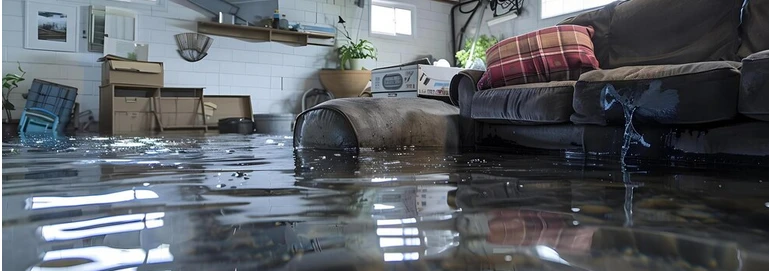

Water damage restoration is an essential process that helps return a property to its original condition after flooding, leaks, or other water-related incidents. While the restoration process addresses immediate structural concerns, a hidden threat can often linger long after the visible water is gone—mold.
Mold thrives in damp, humid environments and can spread rapidly if not properly managed. Preventing mold after water damage restoration is just as crucial as removing the water itself.
This article provides an in-depth look at how mold develops, its health risks, and the most effective ways to prevent it after a restoration project.
Understanding Mold and Its Connection to Water Damage
Mold is a type of fungus that reproduces through microscopic spores. These spores are naturally present in the air and become active when they land on moist surfaces. Water damage—from natural disasters, plumbing leaks, or appliance malfunctions—creates the perfect conditions for mold growth if not properly managed.
Mold can start to grow in as little as 24 to 48 hours after water exposure. If left unchecked, it can cause severe structural damage and pose significant health risks, particularly for individuals with allergies, asthma, or weakened immune systems.
Why Mold Prevention is Critical Post-Restoration
Even after professional water damage restoration services have dried out the property, there is still a risk of residual moisture. Mold prevention isn't just a one-step fix—it involves a strategic approach that starts during the restoration process and continues long after the professionals leave.
Key reasons why mold prevention is crucial include:
- Health Hazards: Mold exposure can cause respiratory issues, skin irritation, eye discomfort, and even long-term health complications.
- Property Damage: Mold can weaken walls, flooring, insulation, and furniture.
- High Costs: Mold remediation is expensive and may not always be covered by insurance.
- Aesthetic Issues: Mold stains and odors can ruin the visual and indoor air quality of a home or building.
Effective Strategies to Prevent Mold After Water Damage Restoration
1. Ensure Complete Drying During Restoration
Water damage restoration must involve complete drying of all affected materials. While surfaces may appear dry, moisture can remain in drywall, subflooring, insulation, and behind cabinets. Professional-grade equipment such as dehumidifiers, air movers, and moisture meters should be used to confirm that all moisture is eliminated.
2. Inspect Hidden and High-Risk Areas
Mold often grows in places that aren’t easily visible—behind walls, under carpets, in ceiling tiles, and inside HVAC systems. A thorough inspection of these areas should be conducted both during and after restoration. Any lingering dampness must be addressed immediately to prevent mold colonies from forming.
3. Ventilate and Dehumidify the Space
After water damage restoration, the affected space should be kept well-ventilated and dry. Use fans and open windows (weather permitting) to circulate air. Dehumidifiers help control humidity levels, especially in basements and bathrooms where moisture tends to linger. Ideal indoor humidity levels should be maintained below 50% to deter mold growth.
4. Clean and Disinfect Surfaces
Water damage can introduce bacteria and organic material that mold thrives on. All affected surfaces should be cleaned and disinfected thoroughly. Antimicrobial treatments are often recommended, especially in cases where there was significant water intrusion or contaminated water involved.
5. Remove and Replace Unsalvageable Materials
Some materials, such as carpets, insulation, and drywall, may be too saturated to dry and clean effectively. These should be removed and replaced to eliminate the risk of mold taking root in these porous materials. Restoration professionals typically assess which items are safe to salvage and which must be discarded.
6. Seal and Waterproof Vulnerable Areas
Post-restoration is a good time to invest in preventative measures. This includes sealing basement walls, applying waterproof coatings to crawl spaces, and fixing any plumbing issues or leaks. Gutters and drainage systems should also be checked to prevent future water intrusion.
7. Maintain HVAC and Air Filtration Systems
HVAC systems can spread mold spores if they become contaminated. After water damage, filters should be changed, and ducts should be inspected and cleaned. High-efficiency particulate air (HEPA) filters can be installed to trap mold spores and improve indoor air quality.
8. Monitor for Signs of Mold
Even with all precautions, mold may still develop. It's vital to monitor the property for early signs such as:
- A musty or earthy odor
- Discoloration on walls or ceilings
- Allergic reactions like sneezing, coughing, or watery eyes
Early detection allows for quicker remediation before the issue worsens.
9. Use Mold Inhibitors
Certain products can be applied to building materials like drywall and wood to resist mold. These inhibitors are especially helpful in high-humidity areas or in properties that have experienced previous water damage.
10. Schedule Regular Inspections
Even months after restoration, it's wise to schedule periodic inspections by professionals to ensure mold hasn’t developed in hidden areas. This proactive approach provides peace of mind and keeps the property safe and healthy.
Common Mistakes to Avoid
- Assuming Dry Means Safe: Surfaces can feel dry but still contain hidden moisture.
- Delaying Action: The longer moisture remains, the higher the risk of mold.
- Ignoring Air Quality: Poor ventilation and high humidity create a perfect mold environment.
- DIY Restoration: Inadequate equipment or lack of expertise can lead to incomplete drying and hidden mold problems.
The Role of Water Damage Restoration in Mold Prevention
Water damage restoration is not just about cleaning up the mess. It's a critical process that sets the stage for long-term mold prevention. By removing water, drying affected areas, and using mold-resistant materials and treatments, the chances of future mold growth are greatly reduced.
Professionals play a vital role here—they bring specialized knowledge, tools, and protocols that ensure water is removed completely and mold has no opportunity to thrive.
Conclusion
Mold prevention after water damage restoration requires vigilance, proper techniques, and continuous monitoring. While the immediate priority is removing water and restoring the property, long-term safety depends on eliminating the conditions that allow mold to grow.
Property owners should not overlook the potential for mold following any type of water damage.
Whether caused by a burst pipe, natural disaster, or appliance malfunction, prompt and professional action is necessary. With thorough drying, cleaning, and preventative measures, homeowners can protect their investment and health.










Sign in to leave a comment.