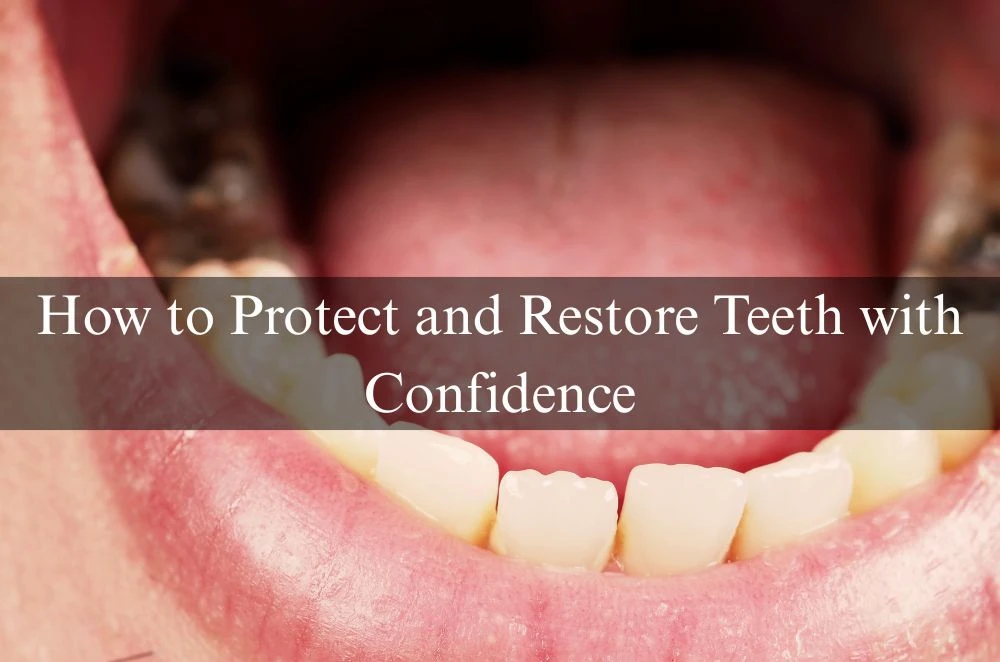

I’ve seen how easy it is for everyday problems to sneak up on your teeth. One minute you’re just chewing your lunch, the next you feel a tiny crack or a weird twinge that doesn’t go away. Modern dental restoration options can help bring everything back to normal without too much fuss. Whether you’ve been putting off a small repair or you’re dealing with a sensitive spot, staying on top of these fixes makes life more comfortable in the long run. It’s often the little things you catch early that save you from bigger treatments later.
Why oral health risks deserve attention
You don’t need to have a big accident for damage to start. Most people have little habits that add up over time, wearing down teeth bit by bit.
- Grinding when you’re stressed or asleep
- Biting into hard foods like nuts or crusty bread
- Letting old fillings get worn out around the edges
- Dry mouth from certain medications
- Acidic drinks slowly thin the enamel
A lot of these things fly under the radar until something starts to hurt. That’s usually when people realise a check-up was overdue.
The role of restorative dentistry in everyday care
Fixing a damaged tooth isn’t only about making it look nice again. It’s also about keeping your mouth working the way it should. When something is cracked or weakened, the sooner it’s repaired, the better the outcome tends to be.
- Fillings stop decay from spreading further
- Crowns cover teeth that can’t hold up on their own
- Bonding hides chips and seals small gaps
- Inlays and onlays add strength where you chew the most
- Bridges or implants keep your bite stable when a tooth is missing
It can feel like a lot of options, but each one has a clear purpose for protecting your teeth.
Insights from oral health advice in Australia
Most dentists I’ve met agree that small daily habits have the biggest impact over time. Simple things you do at home can make all the difference in how long your restorations last.
- Use toothpaste with fluoride to help enamel stay strong
- Floss to clear out plaque before it hardens
- Keep sugary snacks to a minimum if possible
- Show up for your check-ups regularly
- Wear a mouthguard if you clench at night
These kinds of reminders come up often in oral health advice in Australia, and they’re easy to overlook when life gets busy.
Understanding the importance of tooth restoration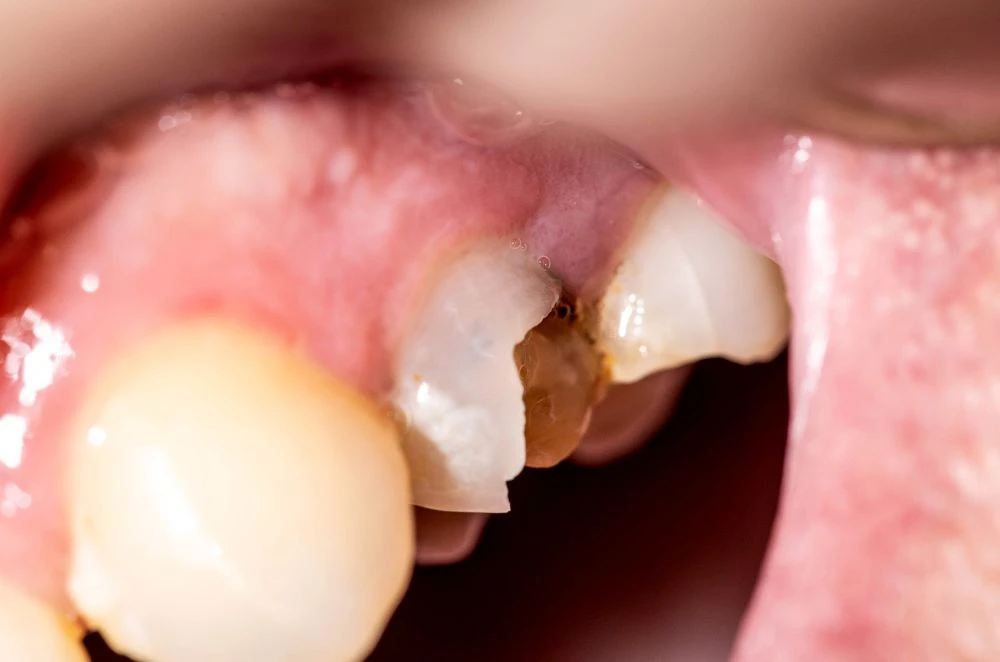
I’ve talked to plenty of people who assume repairs are mostly cosmetic. But a broken or decayed tooth can quietly cause bigger problems if left alone.
- A bad bite can lead to jaw pain and headaches
- Missing teeth let others drift out of alignment
- Decay that reaches the nerve can turn into an abscess
- Thin enamel makes teeth more sensitive to temperature
- Trouble chewing affects your diet and digestion
The importance of tooth restoration often shows up when someone finally fixes an issue and realises how much easier everything feels.
Common habits that impact restorations
Even the strongest filling or crown needs care to stay in good shape. I’ve seen cases where something fails early just because of a few habits people don’t think about.
- Using your teeth to open packets or cut tape
- Chewing ice or pens without noticing
- Going straight from hot drinks to something cold
- Skipping flossing because it feels tedious
- Missing follow-up visits after treatment
Paying attention to these little things can help keep your repairs working well for years.
Choosing the right dental restoration options
Picking the best solution isn’t always straightforward. What’s right for one tooth might not be ideal for another. I’ve noticed that talking it through makes it easier to feel confident in the decision.
- Porcelain looks almost exactly like natural enamel
- Metal or zirconia can handle heavy chewing at the back
- Composite resin blends for visible spots
- Implants replace missing roots with a stable anchor
- Bonding works well for small chips or gaps
When you understand why each option exists, it doesn’t feel as overwhelming.
Supporting repairs with smart daily habits
Once the work is done, your habits are what keep everything feeling comfortable. A few small changes make a huge difference in how long a restoration holds up.
- Brush gently around any edges or joins
- Floss carefully so you don’t loosen a crown
- Wear a guard if you clench your jaw overnight
- Swish water after meals to wash away food particles
- Pay attention to any new sensitivity and mention it early
It doesn’t take much extra effort, but it can save you the hassle of repairs down the track.
Rebuilding smiles with tooth restorations
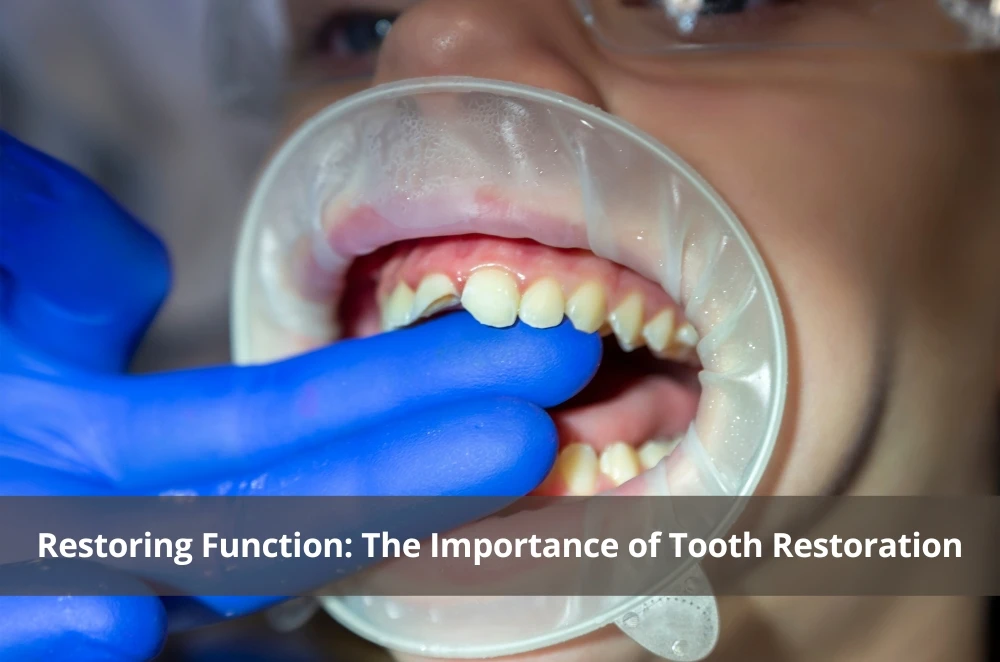
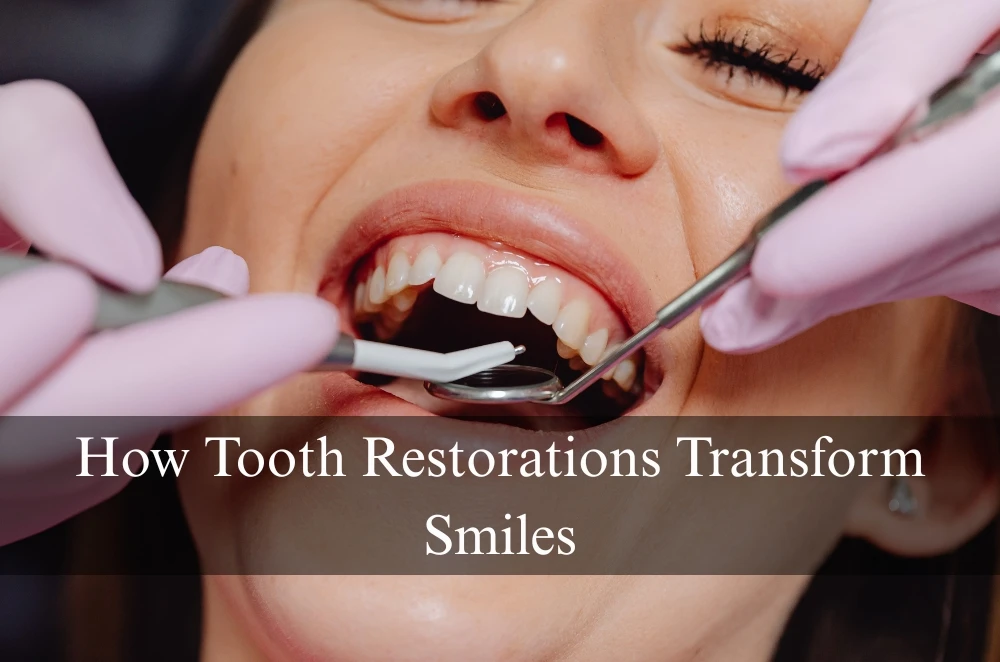
One of the best parts of this work is seeing someone finally feel good about their teeth again. From a basic filling to an implant, every step is about restoring function as much as appearance. The idea of rebuilding smiles with tooth restorations comes down to this: when your teeth feel strong, you do too. Eating, talking, and smiling become second nature instead of something you have to plan around. Over time, those improvements ripple out to other parts of life.
Final thoughts: Confidence starts with care
A healthy mouth isn’t just about looks—it’s about feeling good every day. Whether you’ve been putting off that filling or thinking about a bigger repair, addressing it early can make everything simpler. Restorations that fit your needs, combined with a few thoughtful habits, help you avoid bigger problems and keep your smile working the way it should.


























Sign in to leave a comment.