
Moving possessions into a storage unit involves more than finding boxes and stacking everything inside. Proper preparation can help preserve furniture, electronics, clothing, documents, and other personal property throughout the storage period. Insurance For Items In Storage can provide financial protection for eligible losses, but good preparation is still important because insurance does not necessarily cover every type of damage or deterioration. Taking sensible precautions before moving your belongings into storage can reduce avoidable risks and make it easier to keep track of what you own.
Start by Sorting Everything
Before packing anything, go through the belongings you intend to store and decide what genuinely needs to remain in the unit. Storage costs can continue for months or years, so keeping unnecessary items can increase both your rental expenses and the amount of property you need to protect. Separating belongings into categories such as keep, donate, sell, recycle, and store can make the process much easier.
This is also a useful opportunity to identify possessions that need special handling. Fragile glassware, electronics, wooden furniture, artwork, important documents, and valuable personal items should not simply be packed in the same way as ordinary household goods. Knowing what you have before packing gives you a better starting point for deciding how each category should be prepared.
Create an Inventory Before Packing
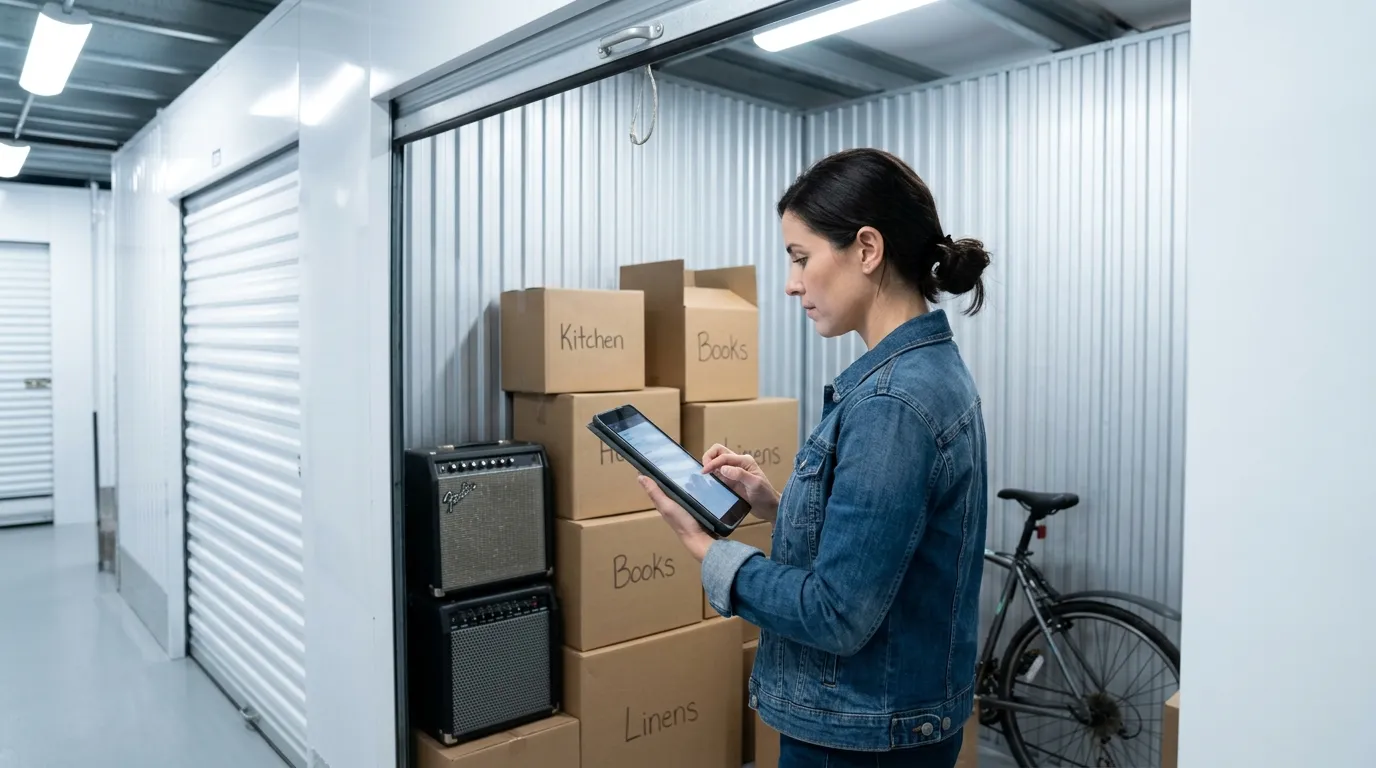
An inventory is one of the simplest ways to improve organization before storage. Record the major possessions you plan to place inside the unit and include useful details such as descriptions, quantities, estimated values, model numbers, or serial numbers where applicable. You don't need to create a complicated document, as a spreadsheet or digital list can be sufficient for most households.
Take photographs of valuable or easily identifiable items before they are packed away. Keep copies of your inventory and photographs somewhere outside the storage facility so they remain available if you cannot access the unit. These records can help you monitor your belongings and may also be useful when reviewing your insurance coverage or documenting a potential claim.
Clean Everything Before It Goes Into Storage
Cleaning belongings before storage can help prevent problems from developing while they remain packed away. Dust, food residue, dirt, and moisture left on furniture or other possessions can contribute to deterioration during extended storage. Fabrics and upholstered items should be completely dry before being covered or packed.
Appliances also deserve attention before they are stored. Empty refrigerators, freezers, washing machines, and other appliances completely and allow them to dry thoroughly before placing them in the unit. Following the manufacturer's storage recommendations can provide additional guidance for sensitive or expensive equipment.
Choose Packing Materials Carefully
Not every box or container is suitable for long-term storage. Strong cardboard boxes can work well for many household belongings, while plastic containers may be useful for certain items that need additional protection from dust or handling. The appropriate material depends on what you're storing and the conditions recommended for that type of possession.
Avoid overloading boxes because excessive weight can cause them to collapse or make them difficult to move safely. Use suitable padding around fragile objects and leave enough room for protective materials where necessary. Labeling each container clearly can also save considerable time when you eventually need to locate something.
Give Furniture Special Attention
Large furniture pieces can take up most of the available space in a storage unit, so preparing them properly is particularly important. Clean furniture before storage and allow it to dry completely, then use suitable covers to protect surfaces from dust and handling. Where appropriate, disassemble larger pieces according to the manufacturer's instructions to make transportation and positioning easier.
Avoid wrapping furniture in materials that can trap moisture against the surface for long periods. Upholstered items may need breathable protective coverings rather than tightly sealed plastic. Place furniture carefully so that it isn't unnecessarily compressed, scratched, or exposed to conditions that could cause preventable damage.
Protect Electronics From Unnecessary Damage
Televisions, computers, monitors, gaming equipment, cameras, and other electronics should be prepared carefully before storage. Whenever possible, keep original packaging because it is usually designed to protect the device during transportation. If the original packaging is unavailable, use appropriate padding and sturdy boxes that provide adequate protection.
Keep a record of serial numbers and take photographs of the equipment before packing it. Avoid placing heavy objects on top of delicate electronics and don't leave devices loose inside boxes where they can move during handling. The goal is to reduce physical damage while keeping the items organized and identifiable.
Be Careful With Clothing and Fabrics
Clothing, bedding, curtains, and other textiles can require different storage methods from hard household goods. Make sure everything is clean and completely dry before packing it away, as trapped moisture can create problems over time. Use appropriate containers that keep the items protected while allowing you to organize them efficiently.
Avoid storing textiles alongside anything that could stain, leak, or damage them. If clothing will remain packed for an extended period, periodically checking the condition of the stored property can help identify potential issues before they become more serious. Proper preparation is particularly valuable for seasonal clothing and fabrics that may remain untouched for many months.
Keep Important Documents Organized
Documents can be particularly difficult to replace, even when their financial value is relatively low. Birth certificates, legal paperwork, financial records, photographs, business documents, and other important papers should be reviewed carefully before being placed in a storage unit. Consider whether some documents should remain in a more accessible and controlled location instead.
If documents must be stored, use suitable protective folders or containers and keep them elevated where practical. Create digital copies of important paperwork when appropriate and legally permissible. Having a secure backup outside the unit can provide an additional layer of protection if the originals become damaged or inaccessible.
Don't Store Items That Shouldn't Be Stored
Storage facilities typically have rules regarding what renters can and cannot keep inside their units. Prohibited items may include hazardous materials, flammable substances, perishable goods, or other materials that could create risks for the facility and other renters. Always review the storage agreement and facility rules before moving your possessions inside.
Food and other items that could attract pests should generally be avoided unless the facility specifically permits them and appropriate storage conditions are available. If you're uncertain about a particular item, ask the storage provider before placing it inside the unit. Following these rules can help prevent problems that could affect both your belongings and the surrounding units.
Use the Unit's Space Strategically
How you arrange your possessions can influence both accessibility and protection. Avoid placing every box directly against walls without considering the facility's storage guidelines, and leave practical pathways where possible so you can reach items without moving the entire unit. Heavy objects should be positioned securely, while fragile belongings should not be placed underneath items likely to crush them.
Keep frequently needed possessions closer to the entrance and less frequently used items farther back. Large furniture can form the foundation of the arrangement, while smaller boxes can be organized around it. A simple floor plan or labeled box numbering system can make future visits much easier.
Keep Valuable Items Clearly Documented
High-value belongings deserve additional attention before they enter storage. Jewelry, artwork, antiques, collectibles, musical instruments, specialist equipment, and expensive electronics should be identified separately in your inventory. Record relevant ownership information and current estimated values so you have a clearer understanding of the financial exposure represented by these possessions.
You should also review whether your existing insurance treats valuable categories differently. Some policies can impose special limits or conditions on particular types of property. Knowing this before storage gives you an opportunity to investigate additional protection if your current coverage doesn't match the value of the belongings.
Understand Your Insurance Before Moving In
Proper storage preparation and insurance serve different purposes. Careful packing can reduce the chance of accidental damage, while insurance may provide financial protection when an eligible loss occurs under the policy terms. Neither should be treated as a replacement for the other.
Review your existing homeowners or renters policy if you already have one and check whether it extends protection to property kept away from your home. Look for applicable limits, deductibles, exclusions, and conditions concerning stored belongings. If your existing protection appears insufficient, compare dedicated storage contents coverage before finalizing your storage arrangements.
Don't Assume the Facility Is Responsible for Everything
A storage facility provides the space and may offer security features such as cameras, gates, alarms, lighting, or controlled access. These measures can help reduce certain risks, but they don't necessarily mean the facility will replace your belongings if they are lost or damaged. The rental agreement may contain specific provisions explaining the facility's responsibilities and limitations.
Read the agreement before signing and pay attention to any requirements concerning insurance. Understanding the difference between facility responsibility and personal property protection can prevent confusion later. Your own coverage should be evaluated separately from the security measures provided by the storage operator.
Check the Unit Before Loading Your Belongings
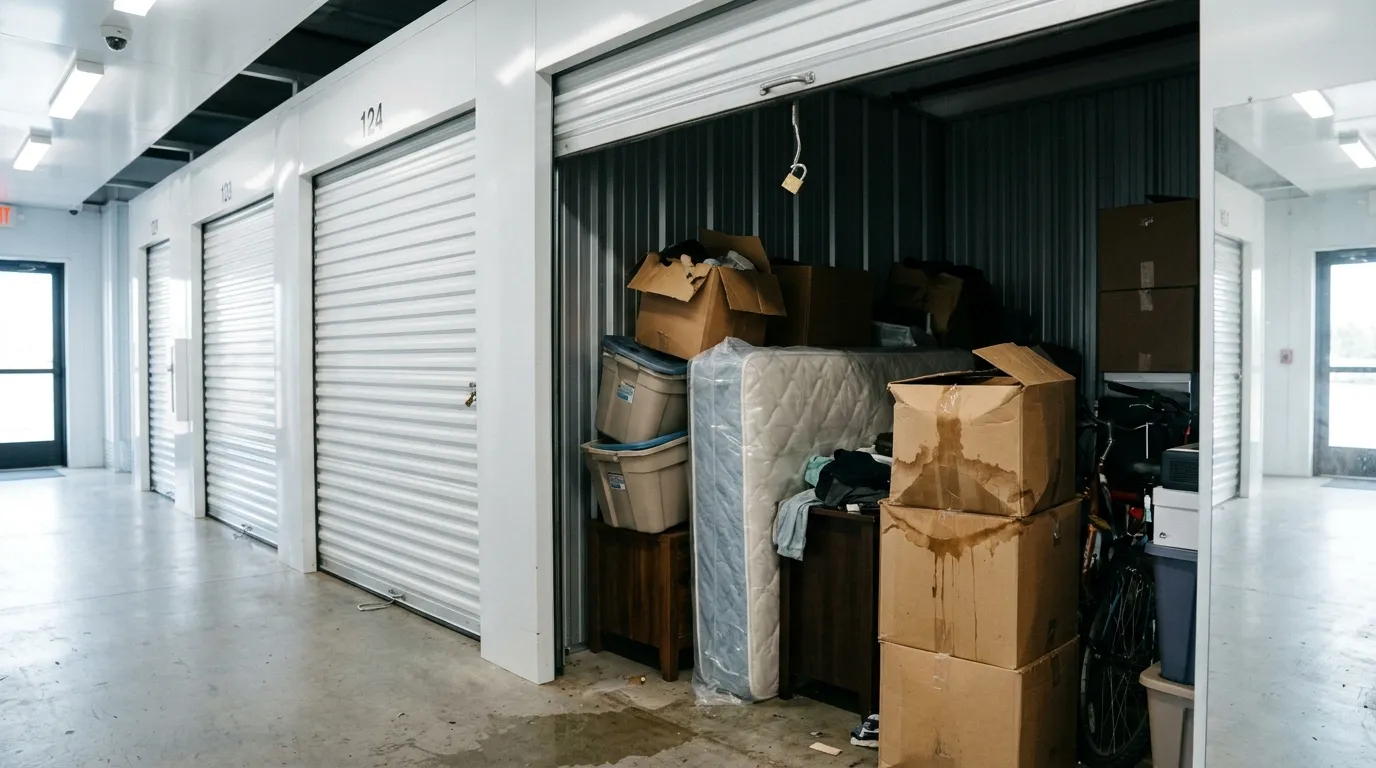
Before moving your possessions inside, inspect the storage space carefully. Look for obvious signs of moisture, leaks, damage, pests, or other conditions that could affect your belongings. If you notice something concerning, bring it to the facility's attention before loading the unit.
Take photographs of the unit's condition when you first receive access, particularly if there are existing issues. Keeping a record of the starting condition can be useful for your own documentation. It also gives you an opportunity to address problems before your possessions are placed inside.
Review Your Belongings Periodically
Long-term storage shouldn't necessarily mean forgetting about the unit until moving day. If the facility and your circumstances allow it, periodic inspections can help you identify changes in the condition of your belongings. This can be particularly useful for furniture, textiles, electronics, and other possessions that may be affected by environmental conditions over time.
Use these visits to update your inventory if items have been removed or added. Reassess the total value of your stored property if the contents change significantly. Keeping your records and coverage aligned with the actual contents of the unit can make your storage arrangement easier to manage.
Think About What Happens When You Remove Everything
Protection doesn't end when you decide to empty the storage unit. Moving belongings out involves transportation, lifting, handling, and potentially temporary placement in another location. Valuable or fragile possessions should be handled with the same care during removal as they received when entering storage.
Before the final move, review your inventory and check that all important items are accounted for. This can prevent possessions from being accidentally left behind or misplaced during a rushed move. Planning the removal process in advance can make the transition considerably smoother.
Final Thoughts
Protecting belongings in storage begins well before the first box enters the unit. Cleaning possessions, using appropriate packing materials, documenting valuable property, following facility rules, and arranging everything carefully can reduce many preventable risks. Insurance For Items In Storage can provide another layer of financial protection for eligible losses, but understanding the policy and its exclusions is just as important as purchasing it.
Take time to evaluate your belongings, estimate their value, and review any existing insurance before committing everything to storage. Keep photographs and inventory records outside the facility and periodically reassess the contents if the storage arrangement continues for a long time. With careful preparation and appropriate protection, you can make your storage experience more organized while giving your belongings a better chance of remaining in good condition.

























Sign in to leave a comment.