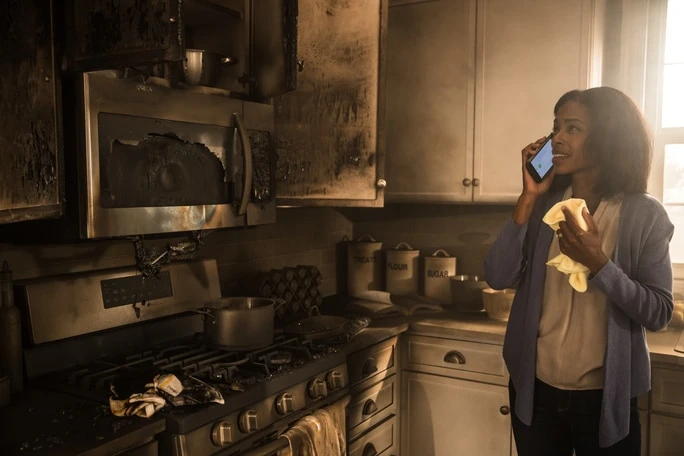

While there are several ways a fire can start, there’s one thing you need to do if a fire occurs – act quickly. A fire can go from a spark to engulfing flames in no time, so every second counts. Educating yourself now on different types of fires and how to put them out means protecting your family in the future if something does occur.
As a note, while the following scenarios give tips for extinguishing a fire yourself, if the problem is serious or spreads quickly, call your fire department immediately or dial 911.
Learn About Fires
Classes of Fire
Class A - involve common combustibles such as wood, paper, cloth, rubber, trash and plastics.Class B - involve flammable liquids, solvents, oil, gasoline, paints, lacquers and other oil-based products.Class C - involve energized electrical equipment such as wiring, controls, motors, machinery, or appliances.Class D - involve combustible metals such as magnesium, lithium and titanium.Class E - fires cause by live electrical apparatus.Class K - involve combustible cooking media such as oils and grease commonly found in commercial kitchensHow To Put Out Wood Fire
Wood burning fires typically stem from a fireplace or fire pit and are categorized as Class A fires – or a fire that uses flammable material as its fuel sources. Wood, paper, trash, fabric and plastics are also common sources of Class A fires.
If a fire originating from your indoor fireplace gets out of hand, here are some dos and don’ts on how to put out a wood burning fire:
Do: Use a fireplace poker to spread out the wood and embers. Do: Extinguish the flames using the ash from your embers once they cool down.Do: Put a layer of banking soda over the ash once the fire is out to eliminate any remaining embers. This adds an additional layer that prevents oxygen from reaching the embers.Don’t: Remove the burning logs. Doing so increases the risk of the fire spreading to other parts of your home as you attempt to remove it.Don’t: Douse the flames with water in a fireplace or in an enclosed room unless this is a serious emergency and there’s no other option. Using water creates massive amounts of smoke and can cause steam burns. It can also damage your fireplace leading to cracks and heaves due to the sudden change in temperature.How To Put Out Outdoor Fire Pit
Extinguish the fire with water. Compared to fireplaces, outdoor fire pits are often in more open spaces which allows for steam or smoke to go away when extinguished.Spread the wood and embers to create ash, similar to how you would handle a fireplace fire.Put sand over the burning embers. Make sure you spread a thin layer of sand on the embers to prevent them from having access to oxygen. Adding too much sand can cause the embers to remain lit underneath, which poses a fire hazard if they’re uncovered by wind.Use a Class A fire extinguisher if the fire gets out of hand. If the steps above do not take effect and the fire appears to be out of control or in danger of spreading, call 911 for help.How To Put Out Gas Fire
Fires caused by natural gas, kerosene, propane or gasoline are categorized as Class B fires. These types of fires are caused by flammable liquids and best extinguished by smothering.
Do not use water to put out a gas fire. It will only make the situation worse.Use a Class B fire extinguisher instead which is made to put out a gas fire.After the fire is controlled, shut off the gas flow on the appliance and notify your utility company.Do not turn back on the appliance until the situation has been properly handled.How To Put Out Electrical Fire
Speaking of appliances, if they’re connected to electrical outlets, it’s possible for them to catch fire. There are specific steps you can take to handle a fire resulting from a home wiring failure, worn out breaker box, appliance malfunction or frayed electrical cord.
Here’s how you can put out an electrical fire:
If possible, unplug the appliance. Doing so will help reduce the risk of the fire spreading while also ensuring the appliance does not pose additional risk to those attempting to put out the electrical fire.Use Type C fire extinguisher that has a ‘C’ on its label. If the electrical fire is small, smother the flames with baking soda. This will reduce the oxygen that the fire has access to, potentially putting it out. However, if the electrical fire starts to grow out of control, call 911 for help.How To Put Out Appliance Fire
There are also the home appliances that aren’t connected to an electrical outlet but can still cause fire, like your oven, stove and microwave. These appliances are often located in the kitchen, where high temperatures place them at an increased risk of catching on fire.
There are some specific steps you should follow if you’re want to know how to put out an appliance fire:
To put out an oven fire:
Leave the oven door closed. This prevents oxygen from fanning the flames and helps avoid flames from reach other areas of your kitchen.Turn off the oven. This will prevent the fire from spreading to the outlet where it can quickly spread throughout your home.Do not put water on the flames. If the oven is plugged in, this will cause electricity to electrocute the person throwing the water on the flames.Use a Class C fire extinguisher. This will help smother the oven fire and help put it out.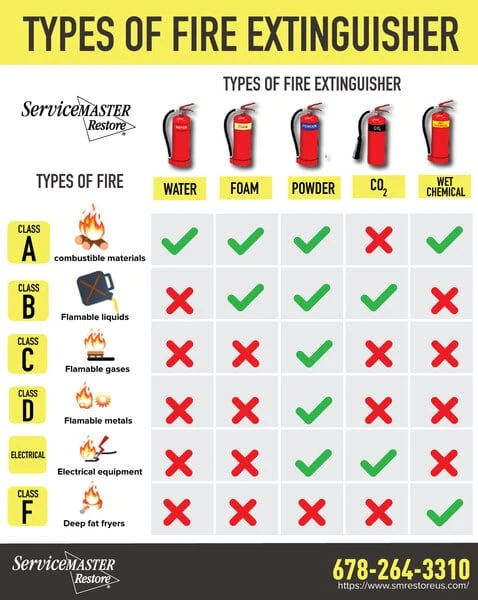





Sign in to leave a comment.