

Bleeding is one of the most common emergencies people may encounter at home, outdoors, or in the workplace. A seemingly minor cut may require little more than simple first aid, while profuse bleeding can become life-threatening within minutes. Knowing what you’re dealing with and getting the right first aid in can make all the difference while waiting for professional help.
There are 3 types of bleeds that are commonly discussed in first aid—arterial, venous, and capillary. Each one flows from a different kind of blood vessel. But rather than spending too much time determining what kind of bleeding you’re dealing with, your primary concern should always be controlling the flow of blood and getting emergency help if needed.
Read more about the 3 types of bleeds and how to control them from UniFirst First Aid + Safety.
Know Your Bleeds: Arterial, Venous, or Capillary?
Blood is transported through the body by arteries, veins, and capillaries. When the vessels are damaged, blood can flow out of the body.
1. Arterial Bleeding
Arteries carry blood away from the heart. When a major artery is injured, it may result in rapid, heavy bleeding. Arterial bleeding may have a pulsating or spurting motion, especially when a major artery is involved.
While the color and motion of the blood may be useful in identifying arterial bleeding, it’s more important to consider the amount of blood loss and how the injury is affecting the victim. If the flow is heavy, it most likely presents a life-threatening danger.
2. Venous Bleeding
Veins carry blood back toward the heart. When a vein is injured, it may result in steady, but possibly heavy bleeding.
Venous bleeding can be deceptive because it may not flow as rapidly as arterial bleeding. But when a major vein is involved, the amount of blood loss can still be tremendous. As with all external bleeding, the key to first aid is applying firm pressure and monitoring the victim closely. If the venous bleeding is heavy or rapid, call for emergency assistance and provide first aid care as needed.
3. Capillary Bleeding
Capillaries are small vessels that connect arteries and veins. When they’re injured, capillaries usually only produce a slow, steady ooze of blood.
A superficial scrape or cut is likely to cause only capillary bleeding, which typically doesn’t flow heavily. Capillary bleeding can usually be controlled with direct pressure and a dressing.
Once the flow has been stopped, the minor wound can be properly cleansed and dressed. Even though capillary bleeding is generally the least dangerous type, all wounds should still be evaluated for contamination, depth, foreign objects, and signs of infection.
When Bleeding Becomes Life-Threatening
Rather than trying to determine whether a bleed is arterial, venous, or capillary, first-aid responders should look for the warning signs of life-threatening external bleeding.
According to the American Red Cross, continuous or spurting flow from a wound, heavy or rapid loss of blood, and signs of shock may indicate life-threatening external bleeding.
In addition to a rapid pulse or weak, fast heartbeat, other common signs and symptoms of shock include:
• Blood oozing or flowing from the wound
• A large amount of blood
• Blood that saturates dressings or clothing
• Injuries to large blood vessels
• Pale, clammy, or cold skin
• Weakness, lightheadedness, or confusion
See our blog post on shock for more information.
When severe external bleeding is suspected, don’t hesitate to get the victim the professional care they need.
Control Bleeding with First Aid
Your first priority when providing first aid to a bleeding victim is your own safety. Make sure the scene is safe to avoid putting yourself in danger. Once you’ve determined it’s safe to approach, you may want to wear gloves or other personal protective equipment when providing first aid.
Call for emergency assistance when the bleeding is severe or life-threatening. Once you’ve secured help, focus on controlling the flow of blood from the injury. The best technique for most external bleeding is to apply direct pressure over the source of the bleeding.
Use a dressing or clean cloth and press gently but firmly over the wound. Avoid repeatedly removing the dressing to check for bleeding. You should continue to hold direct pressure until the flow has stopped, a tourniquet has been applied and is effective, a second trained responder can take over, you begin to feel lightheaded or tired, or the scene is no longer safe.
Use a Tourniquet When Appropriate
If a limb is severely injured and the bleeding is life-threatening, a tourniquet may be necessary to stop the flow of blood and prevent further blood loss.
The Red Cross recommends applying a tourniquet above the injury site and between the wound and the heart. Avoid placing a tourniquet at a joint or directly over the wound.
If you haven’t worked with a tourniquet in training before, it’s a good idea to get formal instruction so you know how to use one properly.
Consider Wound Packing When Appropriate
Wound packing may be an option for severe bleeding from certain areas of the body. It’s typically used for wounds in the groin, shoulder, neck, or elsewhere in which a tourniquet may not be a suitable method of controlling the bleeding.
Wound packing should only be attempted when the responder has received formal training in packing a wound. The ACS Stop the Bleed program also recommends wound packing as one of the three major methods for controlling severe external bleeding, along with direct pressure and tourniquet application.
Why First Aid Counts in Bleeding Emergencies
While learning the difference between the 3 types of bleeds is important information, knowing how to help a victim is even more crucial.
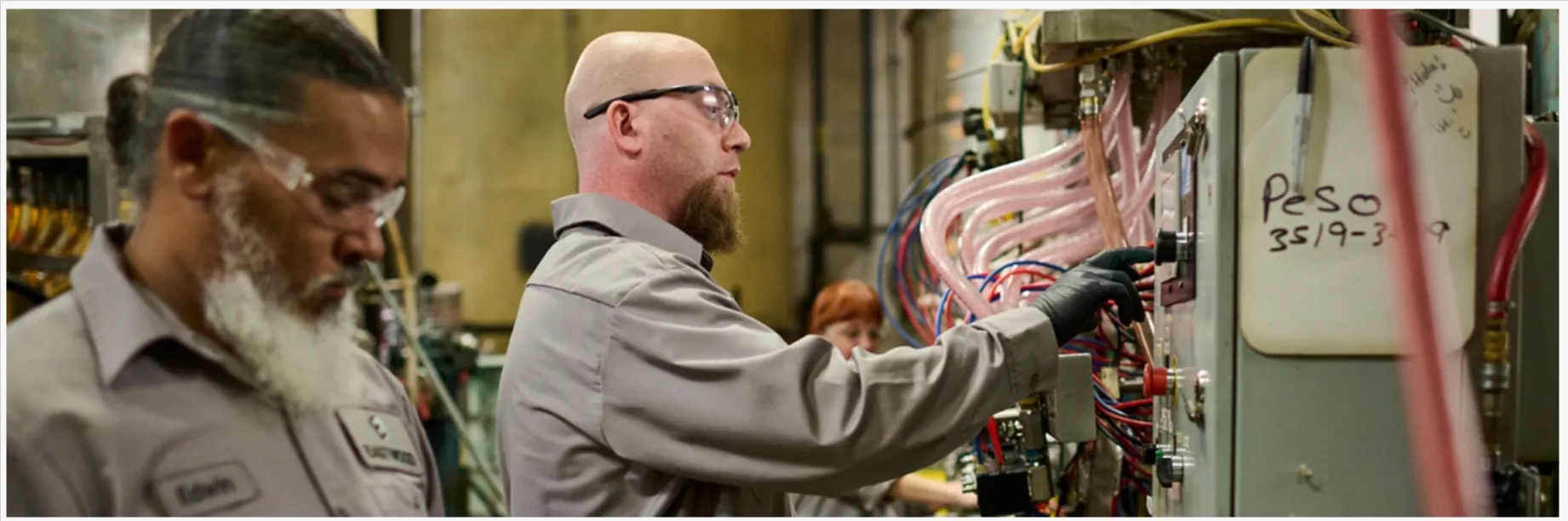
Workers in the workplace may be exposed to equipment, tools, glass, and other common hazards that can produce deep cuts, abrasions, or puncture wounds.
A prepared employer will have appropriate first aid supplies available at the worksite, trained responders on staff, and a carefully developed emergency action plan.
Your first aid program should make sure that first aid kits are accessible and well-stocked, emergency equipment is available and in reach, and employees know how to respond in the event of a medical emergency.
First aid training can also help workers recognize when an injury requires emergency assistance rather than treating it themselves.
Don’t Make These Common Bleeding Mistakes
When dealing with external bleeding, it’s easy to make the wrong choices. Here are some of the mistakes to avoid:
1. Mistake: Ignoring signs of severe bleeding due to a minor-looking wound.
First aid relies on observation, but the depth and location of an injury can’t always be determined by sight. Always assume that internal damage may also be present.
2. Mistake: Removing a dressing to check the wound.
Doing so can prevent the bleeding from clotting and wasting valuable time.
3. Mistake: Delaying emergency care to determine the type of external bleeding.
The ABCs of first aid care for external bleeding are recognition, access to help, and direct pressure application. Arterial, venous, and capillary are useful categories for understanding anatomy, but severe bleeding should not be ignored under the assumption that it can be treated as a minor injury.
4. Mistake: Using appearances to determine the type of external bleeding.
Blood flow is deceptive, and the color isn’t a reliable indicator. Focus on the amount of blood loss, the flow rate, and how the injury affects the victim.
Conclusion
In this lesson, you’ve learned all about the 3 types of bleeds — arterial, venous, and capillary. While it’s important to know the difference between them, it’s more important to understand the signs of potentially life-threatening external bleeding.
A prepared workplace doesn’t just have a first aid kit in a cabinet. It makes sure that first aid and emergency equipment are accessible, that first aid responders know how to respond, and that employees receive the appropriate training to keep them safe.
For professional first aid, safety products, AED solutions, PPE, and safety training, contact UniFirst First Aid + Safety to learn how your organization can improve its safety program.
Visit UniFirst First Aid + Safety to learn more about first aid and safety products for your workplace.
FAQs About the 3 Types of Bleeds
What are the 3 types of bleeds?
The 3 types of bleeds are arterial, venous, and capillary. Arterial bleeding involves arteries, venous bleeding involves veins, and capillary bleeding involves small capillary vessels.
Which type of bleeding is the most dangerous?
Any type of external bleeding has the potential to be life-threatening. A major arterial bleed can be especially rapid, but venous bleeding also has the potential to be severe. The seriousness of the bleeding depends on the amount of blood loss, the flow rate, the location of the injury, and the condition of the victim.
What should be the first thing to do for serious bleeding?
Make sure the scene is safe, get emergency help if needed, and apply direct pressure to the source of the bleeding.
Should a tourniquet be used for all types of bleeding?
Tourniquets are usually reserved for life-threatening situations, such as when a limb is severely injured. Tourniquet application should only be attempted when the responder is properly trained.
Can first aid training benefit employees during a bleeding emergency?
First aid training provides an opportunity to practice controlling external bleeding and evaluating a wound for the possibility of infection or other complications. It also gives employees a basic understanding of emergency procedures that they can recognize at the workplace.

























Sign in to leave a comment.