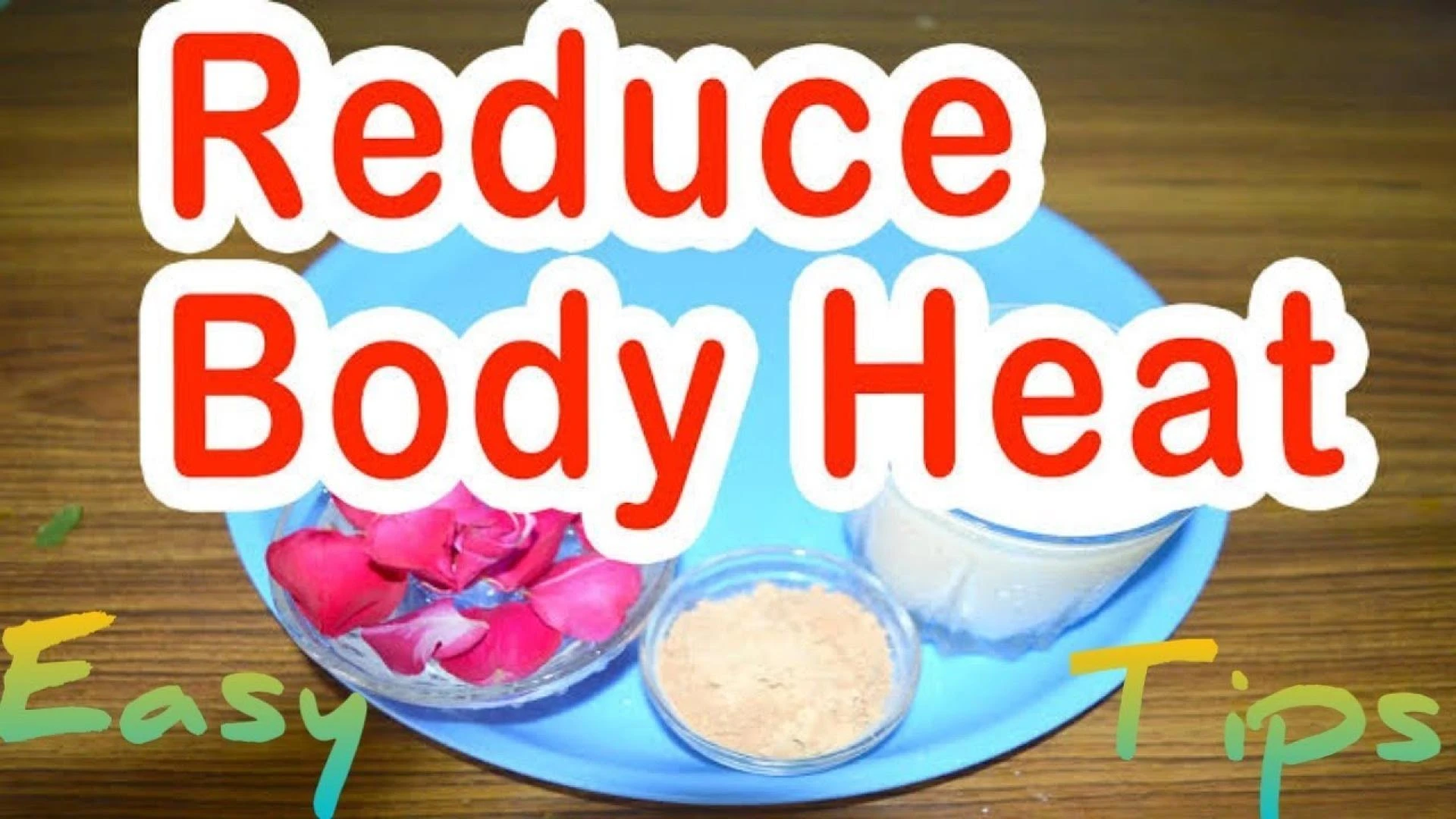

Managing body heat is essential for maintaining overall health and comfort, especially during hot weather or periods of physical exertion. Excessive body heat, also known as heat stress, can lead to dehydration, fatigue, and other health concerns. Understanding how to reduce body heat effectively can help you stay cool and comfortable while preventing potential health risks. This article discusses practical methods and lifestyle adjustments to regulate your body temperature naturally.
Recognizing the Causes of Excess Body Heat
Excessive body heat can result from various factors, including external temperatures, intense physical activity, stress, or medical conditions. Identifying the root cause is essential for addressing the issue effectively. Common contributors include exposure to high temperatures, spicy foods, dehydration, or illnesses such as fever or hyperthyroidism. Once you understand the triggers, implementing targeted solutions becomes easier.
Hydration: The Key to Cooling Down
Staying hydrated is one of the simplest and most effective ways to regulate body temperature. Water helps the body maintain its internal cooling mechanisms, such as sweating. When dehydration occurs, these processes become less efficient, leading to a rise in body heat.
Drink plenty of water throughout the day, especially during warm weather or after physical activity. Coconut water is another excellent option as it replenishes electrolytes and provides a refreshing way to cool the body. Incorporating water-rich fruits and vegetables like watermelon, cucumber, and oranges into your diet can also aid in hydration and temperature regulation.
Choosing the Right Foods
Diet plays a significant role in managing body heat. If you're wondering how to reduce body heat, consuming light, easily digestible foods is a great starting point. These help the body stay cool, whereas heavy, spicy, or fried foods can increase heat production. Focus on incorporating cooling foods like yogurt, buttermilk, and mint into your meals.
Herbal teas, such as chamomile or peppermint, provide a soothing effect and help regulate internal temperature. Avoid caffeinated and alcoholic beverages, as they can dehydrate the body and elevate your internal heat. Additionally, green salads, fresh fruits, and chilled soups are excellent dietary choices for keeping your body heat under control.
Dress Smartly for Comfort
Your choice of clothing has a significant impact on how your body regulates heat. Light-colored, loose-fitting clothing made from breathable fabrics such as cotton or linen is ideal for hot weather. These materials allow better airflow and reduce the risk of overheating.
Dark colors and synthetic fabrics tend to trap heat and sweat, making you feel warmer and more uncomfortable. Opt for comfortable, lightweight outfits that promote cooling and prevent excessive perspiration.
Cool Showers and Compresses
Taking a cool shower or applying a cold compress can provide immediate relief from body heat. Cool water helps to lower your skin’s temperature, allowing your body to regulate itself more effectively. Focus on cooling areas like your wrists, neck, and feet, as these are key points for heat dissipation.
If you don’t have access to a shower, placing a damp cloth on these areas can achieve similar results. Ice packs or a chilled towel on the back of your neck can also provide quick cooling during particularly hot conditions.
Adjusting Physical Activity
Exercising in high temperatures can significantly raise body heat. If you enjoy outdoor workouts, try to schedule them during cooler parts of the day, such as early morning or evening. Opt for shaded areas or indoor settings to avoid direct sunlight.
Remember to take frequent breaks and drink water during physical activity. Overexertion can lead to heat-related illnesses, so it’s important to listen to your body and adjust your routine as needed to stay safe and comfortable.
Managing Stress and Relaxation
Stress can increase body heat by triggering the release of hormones that elevate your internal temperature. Incorporating relaxation techniques such as meditation, deep breathing, or yoga can help reduce stress levels and maintain a cooler body temperature.
Creating a calm and comfortable environment can also make a difference. Use fans or air conditioning to cool your surroundings and ensure proper ventilation to circulate fresh air. A cool, quiet space promotes relaxation and helps in reducing overall heat levels.
Staying Indoors During Peak Heat
When temperatures are at their highest, staying indoors is a practical way to avoid excessive body heat. During the midday hours, when the sun is strongest, limit outdoor activities and seek shade or air-conditioned spaces. If you're looking for effective tips on how to reduce body heat, consider staying hydrated by carrying a water bottle, wearing a wide-brimmed hat, and applying sunscreen to protect your skin if going out is unavoidable. Indoor activities like reading, watching movies, or engaging in hobbies can also keep you occupied while ensuring you remain cool and comfortable during hot weather.
Incorporating Natural Remedies
Several natural remedies can help in cooling the body. Aloe vera juice, for example, is known for its cooling properties and is effective in reducing body heat. Similarly, consuming fennel seeds soaked in water overnight can have a calming effect on the body.
Fenugreek tea is another natural option that can aid in temperature regulation. These remedies are simple to prepare and provide a natural way to manage heat stress without relying on synthetic products.
Creating a Cooler Living Environment
Your living space plays a vital role in controlling body heat. Keep curtains or blinds closed during the hottest parts of the day to block out heat from the sun. Use ceiling fans, table fans, or air conditioners to maintain a cool indoor temperature.
If air conditioning is not an option, placing a bowl of ice in front of a fan can help cool the air in the room. Sleep with lightweight, breathable bedding and consider investing in cooling gel pillows or mattress pads to ensure a comfortable night’s rest.
When to Seek Medical Advice
While most cases of excessive body heat can be managed with lifestyle changes, there are instances where medical intervention may be necessary. If you experience symptoms such as dizziness, nausea, rapid heartbeat, or confusion, it could indicate heat exhaustion or heatstroke.
In such cases, seek medical attention immediately. Consulting a healthcare professional can help identify any underlying conditions contributing to increased body heat and ensure appropriate treatment.
Wrapping Up
Understanding how to reduce body heat is essential for staying comfortable and maintaining overall health. Simple practices like staying hydrated, choosing the right foods, and dressing appropriately can make a significant difference. By incorporating these tips into your routine and being mindful of your activities and environment, you can effectively manage body heat and enjoy a cooler, more comfortable lifestyle. Prioritizing these methods ensures you remain healthy and well-prepared to handle even the hottest days.

























Sign in to leave a comment.