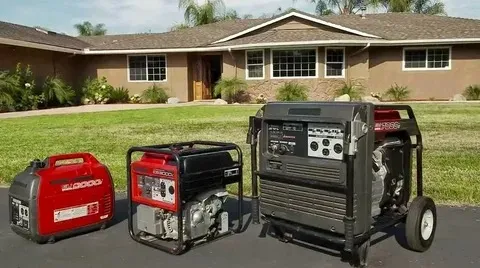

Unexpected power outages can create serious operational problems for businesses and industrial facilities. I have seen hospitals lose critical system support, manufacturing plants pause production lines, and commercial buildings struggle to maintain safety during electrical interruptions. Even short downtime periods can lead to financial losses, equipment damage, and reduced productivity. Generator quick-connect panels provide a practical solution by allowing backup generators to connect quickly and safely during emergencies. These systems reduce response time and simplify temporary power integration when utility service fails. The biggest benefit is faster recovery. With a properly installed quick-connect setup, facilities can restore critical operations efficiently while improving electrical safety and minimizing business disruption.
Understanding Generator Quick-Connect Panels
Generator quick-connect panels are electrical connection systems designed to simplify temporary generator hookups during outages or maintenance events. They create a dedicated access point where portable or standby generators can safely connect to a facility’s electrical infrastructure.
Without these systems, emergency generator deployment often requires complex wiring procedures that waste valuable time. In critical environments, delays can increase operational risks significantly.
Quick-connect systems improve emergency readiness by organizing the power transfer process into a faster and more controlled operation.
I often describe them as a preparedness tool that reduces confusion during high-pressure situations.
Why Downtime Is So Expensive
Power interruptions affect more than just lighting and convenience. In commercial and industrial settings, downtime impacts nearly every aspect of operations.
Common consequences include:
- Production delays
- Lost revenue
- Data loss
- Equipment shutdown damage
- Spoiled inventory
- Security system interruptions
- Communication failures
For healthcare facilities and data centers, outages may also threaten patient care or digital infrastructure reliability.
The financial impact of downtime can increase rapidly, especially during prolonged utility failures caused by storms, equipment faults, or grid instability.
How Quick-Connect Panels Improve Response Time
One of the biggest advantages of quick-connect systems is speed.
Instead of bringing electricians on-site to perform temporary wiring during an outage, operators can connect generators directly through pre-installed access points. This shortens restoration time and reduces operational stress.
The process generally includes:
- Positioning the generator
- Connecting power cables
- Verifying grounding and safety checks
- Activating the transfer system
- Restoring electrical loads
This streamlined workflow improves emergency response efficiency considerably.
The Role of Generator Interface Panels
Facilities requiring reliable emergency power often integrate Generator Interface Panels into their electrical infrastructure.
These panels create organized connection points between portable generators and building electrical systems. I have seen how they simplify emergency deployment in industrial plants, healthcare facilities, and commercial properties where rapid power restoration is critical.
Properly installed Generator Interface Panels help reduce downtime by improving connection speed, simplifying load management, and supporting safer power transfer procedures during outages.
They also reduce the likelihood of wiring mistakes that could damage equipment or delay operations.
Key Industries That Benefit from Quick-Connect Systems
Healthcare Facilities
Hospitals and medical centers cannot afford prolonged outages. Emergency power supports:
- Life-support equipment
- Surgical systems
- Refrigeration units
- Communication networks
- Emergency lighting
Quick generator connection capability improves operational continuity during storms and utility failures.
Data Centers
Data centers rely on uninterrupted electrical power to protect servers and digital infrastructure. Even brief outages can disrupt operations and create major financial consequences.
Quick-connect panels support faster backup generator deployment and improve disaster recovery readiness.
Manufacturing Plants
Industrial operations depend on stable power for machinery, automation systems, and production lines.
Unexpected shutdowns may damage equipment or interrupt manufacturing schedules. Temporary generator integration helps maintain critical operations during electrical disruptions.
Safety Advantages of Quick-Connect Panels
Electrical safety is one of the most important reasons facilities install organized connection systems.
Improper emergency wiring can create:
- Electrical shock hazards
- Backfeeding risks
- Equipment overload
- Fire hazards
- Voltage instability
Quick-connect infrastructure reduces these risks by creating controlled and code-compliant connection points.
I always recommend professional installation to ensure grounding, circuit protection, and transfer equipment function correctly.
Important Features to Consider
Not all quick-connect systems are identical. Facilities should evaluate several factors before installation.
Load Capacity
The system must support the facility’s critical electrical demand without overloading circuits.
Weather Protection
Outdoor panels should include weather-resistant enclosures to protect electrical components from moisture, dust, and environmental exposure.
Compatibility
Panels must match generator voltage, amperage, and connector configurations.
Ease of Access
Strategic placement improves emergency deployment speed and simplifies maintenance operations.
Companies like roam technologies continue supporting backup power infrastructure solutions designed to improve reliability during emergency situations.
Maintenance and Testing Best Practices
Quick-connect systems require regular inspection to maintain operational readiness.
Recommended maintenance tasks include:
- Connector inspections
- Transfer switch testing
- Grounding verification
- Cable condition checks
- Load testing procedures
Routine testing helps facilities identify problems before actual emergencies occur.
I believe preparedness matters just as much as equipment quality. Even the best backup system becomes ineffective if it is not tested properly.
Supporting Business Continuity Planning
Generator quick-connect panels play an important role in broader business continuity strategies.
Facilities using organized backup power systems can:
- Restore operations faster
- Reduce financial losses
- Protect sensitive equipment
- Improve employee safety
- Maintain customer confidence
This level of preparedness strengthens operational resilience during both planned and unexpected outages.
Final Thoughts
Reducing downtime requires more than owning a backup generator. Facilities also need efficient connection systems that support fast and safe power restoration during emergencies.
Generator quick-connect panels improve outage response by simplifying temporary power integration and reducing operational delays. Combined with proper transfer equipment, grounding systems, and maintenance procedures, these panels help organizations maintain continuity during utility disruptions.
As power reliability challenges continue affecting businesses across many industries, investing in organized backup power infrastructure has become an important part of long-term operational planning.























Sign in to leave a comment.