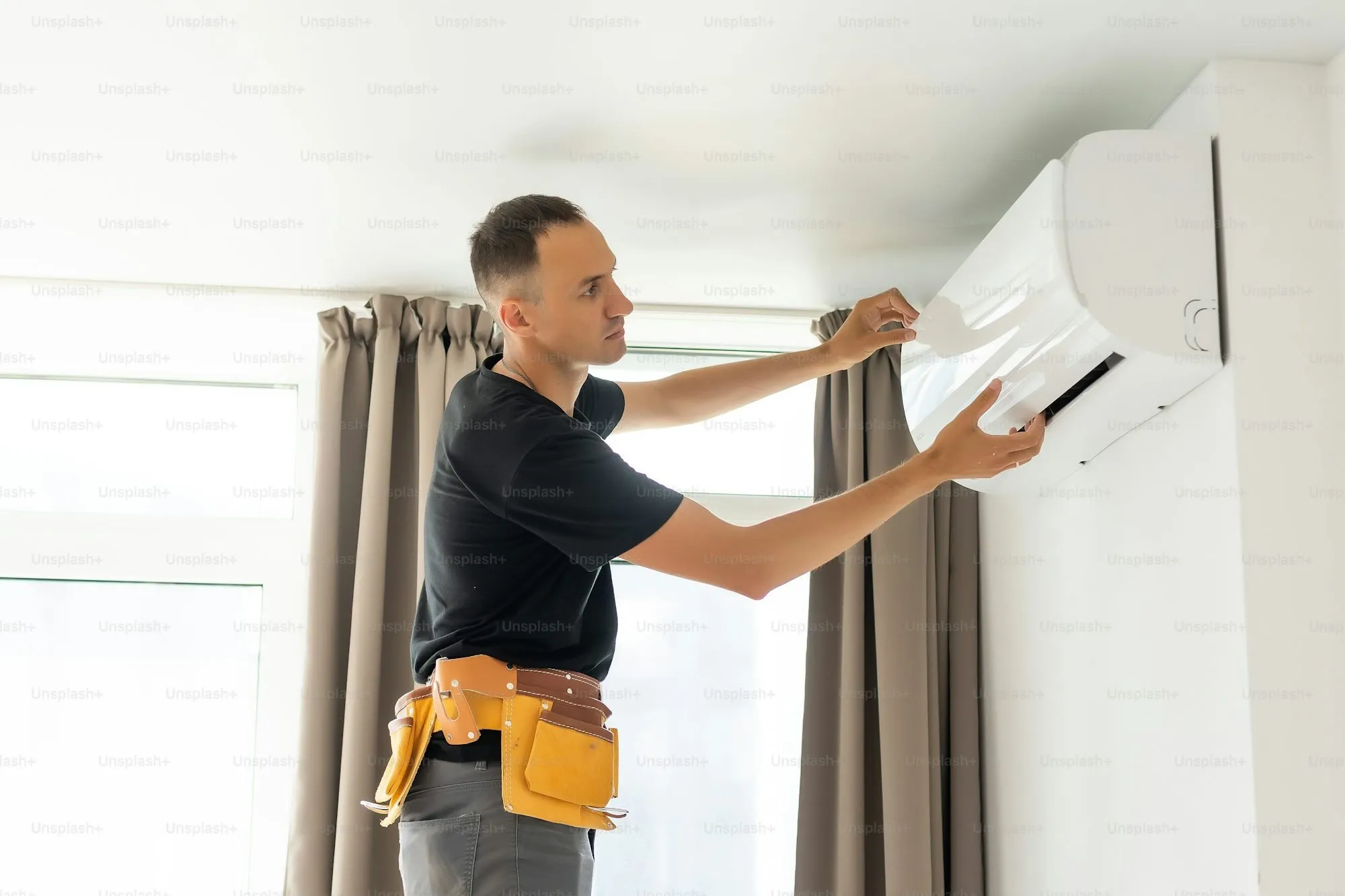

Preparing your HVAC system before summer arrives helps prevent unexpected breakdowns, improves cooling performance, and lowers energy costs during the hottest months of the year. A neglected air conditioner often struggles to keep up with rising temperatures because of dirty filters, blocked airflow, or worn components. Many homeowners only begin searching for hvac services denver after their cooling system stops working on a hot afternoon, but regular maintenance before the season starts can help avoid that situation. Taking a few simple steps early gives your HVAC system the best chance to run efficiently, provide steady indoor comfort, and reduce the risk of expensive repairs throughout the summer.
Why Summer Preparation Matters
Your air conditioner works harder during summer than at any other time of the year. Long cooling cycles, high outdoor temperatures, and daily use place extra stress on important parts such as the compressor, fan motor, and condenser.
If your system already has small problems, summer heat can make them much worse. Preparing ahead allows you to fix minor issues before they become costly repairs. It also helps your family stay comfortable during long periods of hot weather.
I always prefer checking my cooling system before the first heat wave instead of waiting until the house becomes uncomfortable. A little preparation saves both time and frustration.
Replace the Air Filter
One of the easiest ways to improve HVAC performance is replacing the air filter.
A dirty filter blocks airflow, making the system work harder to cool your home. Restricted airflow also increases energy use and may shorten the life of important components.
According to the U.S. Department of Energy, replacing a clogged air filter can improve HVAC efficiency by up to 15 percent under certain conditions.
Check your filter every month during the cooling season and replace it whenever it looks dirty.
Clean Around the Outdoor Unit
The outdoor condenser needs proper airflow to remove heat from your home.
Leaves, grass clippings, dirt, and weeds can block airflow around the unit. Remove debris and trim nearby plants to leave at least two feet of open space around the condenser.
A clean outdoor unit operates more efficiently and cools your home more effectively.
Check the Thermostat
Before summer begins, test your thermostat to make sure it responds correctly.
Set the temperature a few degrees lower than the current room temperature and confirm that the air conditioner starts properly.
If your thermostat uses batteries, replace them if needed. Smart thermostats should also be checked to make sure schedules are programmed correctly.
Proper thermostat settings help avoid unnecessary energy use.
Inspect Air Vents
Walk through your home and check every supply and return vent.
Furniture, curtains, rugs, or storage boxes may block airflow without you noticing.
Keeping vents open allows cool air to circulate evenly throughout the house and helps maintain consistent indoor temperatures.
Schedule Professional Maintenance
Even homeowners who perform basic maintenance benefit from an annual HVAC inspection.
During one seasonal visit, I spoke with a technician from Mountain Breeze Heating, who explained how a small refrigerant issue had been found before it caused a major breakdown. That experience reminded me that preventive maintenance often costs much less than emergency repairs.
A professional inspection usually includes cleaning coils, checking refrigerant levels, testing electrical components, inspecting the blower motor, and confirming that the system operates safely.
Watch for Warning Signs
Your HVAC system often provides early signs that something is wrong.
Pay attention to:
Weak Airflow
Reduced airflow may indicate dirty filters, duct problems, or blower issues.
Strange Noises
Grinding, squealing, or rattling sounds should never be ignored.
Warm Air
If the vents blow warm air instead of cool air, the system needs attention.
Higher Utility Bills
Unexpected increases in cooling costs often signal reduced efficiency.
Finding these problems early usually prevents larger repairs.
Seal Air Leaks
Cool air escapes through small gaps around doors and windows.
Use weatherstripping or caulking to seal drafts before summer temperatures rise.
Keeping cooled air inside your home allows the HVAC system to reach the desired temperature more quickly while reducing energy consumption.
Keep Indoor Humidity Under Control
Your air conditioner removes moisture as it cools the air.
If your home feels damp even while the system is running, there may be airflow or maintenance issues affecting performance.
Balanced humidity improves comfort and makes indoor temperatures feel cooler without lowering the thermostat further.
Use Ceiling Fans
Ceiling fans help circulate cool air throughout the room.
Although fans do not lower the actual temperature, they create a cooling effect that allows many homeowners to raise the thermostat slightly without sacrificing comfort.
This simple adjustment may reduce cooling costs during the summer.
Keep the System Running Efficiently
Avoid constantly changing the thermostat throughout the day.
Instead, choose a comfortable setting and allow the system to operate normally.
Closing blinds during the hottest hours and limiting heat from ovens or dryers during the afternoon also reduce the cooling workload.
Small daily habits make a noticeable difference over an entire summer.
Why Preventive Maintenance Saves Money
Routine maintenance is one of the best investments homeowners can make.
According to the U.S. Environmental Protection Agency, Americans spend about 90 percent of their time indoors. A well-maintained HVAC system not only improves comfort but also supports healthier indoor air and more efficient operation.
Preventive care reduces the chance of emergency repairs, helps equipment last longer, and keeps monthly energy bills under control.
Conclusion
Preparing your HVAC system for summer weather does not require complicated steps. Replacing air filters, cleaning the outdoor unit, checking the thermostat, inspecting vents, sealing air leaks, and scheduling seasonal maintenance all help improve cooling performance and reduce energy costs. Paying attention to small warning signs before temperatures rise allows your air conditioner to work more efficiently throughout the season. With regular care and a little preparation, you can enjoy reliable comfort, lower utility bills, and greater peace of mind all summer long.
























Sign in to leave a comment.