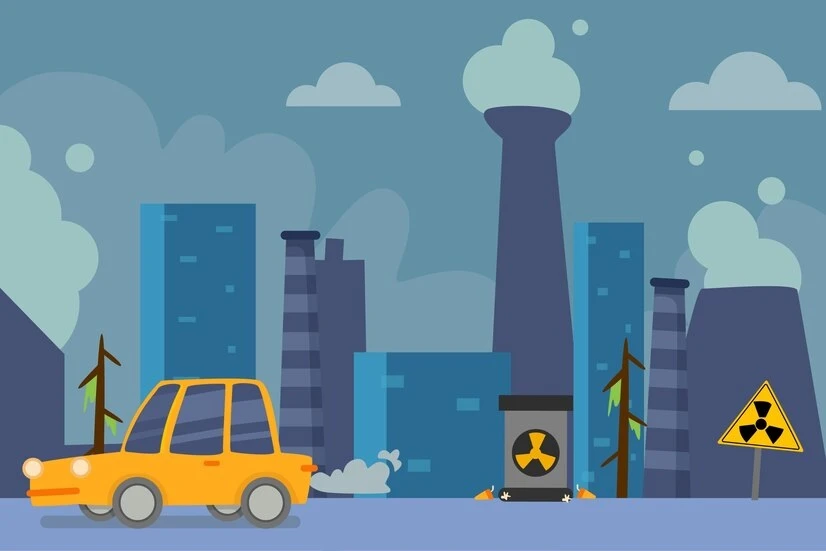

Pollution from vehicles plays a major role in both the degradation of the environment and public health problems. You've come to the right place if you're wondering how to reduce vehicle pollution. We'll look at a variety of eco-friendly driving strategies and recommendations in this post to assist you reduce your carbon footprint.
Understanding Vehicle Pollution
What is Vehicle Pollution?
The term "vehicle pollution" describes the toxic fumes that automobiles emit into the atmosphere. These emissions, which are linked to air pollution and global warming, include carbon dioxide (CO2), nitrogen oxides (NOx), hydrocarbons (HC), and particulate matter (PM).
Sources of Vehicle Emissions
Exhaust emissions, evaporative emissions from the fuel system, and wear-and-tear particles from the brakes and tires are the main sources of vehicle emissions. The primary source of these pollutants is the engine's combustion of fossil fuels, hence it is essential to find ways how to reduce vehicle pollution.
The Impact of Vehicle Pollution on the Environment
Pollution from vehicles has negative effects on the ecosystem. It results in acid rain, ozone layer thinning, and climate change. It also diminishes biodiversity, damages species, and has an impact on ecosystems.
The Importance of Reducing Vehicle Pollution
1. Environmental Benefits
A better atmosphere and cleaner air are achieved through reducing automobile pollution. It protects biodiversity, natural ecosystems, and helps to slow down climate change. You can help the environment by understanding how to reduce vehicle pollution.
2. Health Benefits
Reducing vehicle emissions also lessens the risk of cardiovascular disorders, respiratory illnesses, and other air pollution-related health problems. Another motivation to learn how to reduce vehicle pollution is that cleaner air promotes overall public health and well-being.
3. Economic Benefits
Driving sustainably might also provide financial benefits. Reduced health problems save medical expenditures and boost productivity, while increased fuel efficiency saves money on gasoline.
4. Importance of Regular Servicing
Regular maintenance is crucial for keeping your vehicle in top condition. This includes oil changes, air filter replacements, and spark plug inspections, which ensure your engine runs efficiently. Proper maintenance is a key step in how to reduce vehicle pollution.
5. Checking Tire Pressure and Alignment
Proper tire pressure and alignment improve fuel efficiency and reduce emissions. Under-inflated tires can increase fuel consumption and wear out faster. Ensuring your tires are properly maintained is essential in learning how to reduce car pollution.
Drive Smoothly and Steadily
1. Avoid Sudden Acceleration and Braking
Aggressive driving habits like rapid acceleration and hard braking waste fuel and increase emissions. Driving smoothly and anticipating traffic conditions can significantly reduce pollution.
2. Use Cruise Control When Possible
Cruise control helps maintain a steady speed, improving fuel efficiency on highways. This reduces unnecessary acceleration and deceleration, leading to lower emissions. Using cruise control is an effective way how to reduce vehicle pollution.
3. Turn Off the Engine When Parked
Idling wastes fuel and produces unnecessary emissions. If you're parked for more than a minute, turn off your engine to save fuel and reduce pollution. Reducing idling time is a straightforward method in how to reduce vehicle pollution.
4. Use Start-Stop Systems
Modern vehicles often come with start-stop systems that automatically turn off the engine when the car is stationary and restart it when you press the accelerator.
Benefits of Hybrid Vehicles
Hybrid vehicles combine a gasoline engine with an electric motor, offering better fuel efficiency and lower emissions compared to conventional cars. They are a great option if you're looking for how to reduce vehicle pollution.
Benefits of Electric Vehicles
Electric vehicles (EVs) produce zero tailpipe emissions and are powered by electricity, making them an excellent choice for eco-friendly driving. Charging EVs from renewable energy sources further reduces their environmental impact and is a prime example of how to reduce vehicle pollution.
Consider Carpooling or Ride-Sharing
Sharing rides with others reduces the number of vehicles on the road, leading to lower overall emissions. Carpooling and ride-sharing services are convenient ways to contribute to reducing vehicle pollution and are essential strategies in how to reduce vehicle pollution.
Utilizing Alternative Fuels
Benefits of Biofuels
Biofuels, such as ethanol and biodiesel, are produced from renewable resources and can significantly reduce greenhouse gas emissions. They are a sustainable alternative to traditional fossil fuels and an important part of how to reduce vehicle pollution.
Advantages of Compressed Natural Gas (CNG)
CNG is a cleaner-burning fuel that produces fewer emissions than gasoline or diesel. It is widely used in public transportation and fleet vehicles to reduce pollution. Using CNG is another effective way how to reduce vehicle pollution.
Exploring Hydrogen Fuel Cells
Hydrogen fuel cells generate electricity through a chemical reaction between hydrogen and oxygen, producing only water vapor as a byproduct. This technology has the potential to revolutionize the automotive industry by providing a zero-emission alternative and is a cutting-edge method.
Combine Errands into One Trip
Reducing the number of trips you take by combining errands into one outing can save fuel and decrease car emissions. Plan your route to minimize travel distance and avoid unnecessary driving. Efficient trip planning is an essential strategy in how to reduce vehicle pollution.
Use Public Transportation When Possible
Public transportation systems like buses and trains are more fuel-efficient per passenger mile than individual cars. Using public transport helps reduce the number of vehicles on the road and lowers overall emissions. This is a simple and effective way how to reduce vehicle pollution.
Opt for Walking or Biking for Short Distances
For short trips, consider walking or biking instead of driving. This not only reduces pollution but also promotes a healthier lifestyle. Choosing alternative transportation methods is a great approach.
Benefits of GPS Navigation Systems
GPS navigation systems help you find the most efficient routes, avoiding traffic congestion and reducing travel time. This leads to lower fuel consumption and fewer emissions.
Using Apps for Traffic Management
Traffic management apps provide real-time updates on traffic conditions, helping you avoid jams and choose alternative routes. This reduces idling and unnecessary fuel consumption, contributing to how to reduce vehicle pollution.
Advanced Driver Assistance Systems (ADAS)
ADAS features like adaptive cruise control, lane-keeping assist, and automated braking improve driving efficiency and safety. These systems optimize fuel usage and reduce emissions by promoting smooth driving.
Promoting Awareness and Education
Community Initiatives
Participating in community initiatives that promote eco-friendly driving and vehicle maintenance can have a collective impact on reducing pollution. Join local carpool programs, support clean air campaigns, and encourage others to adopt sustainable practices. Community involvement is key in how to reduce vehicle pollution.
Government Policies and Incentives
Government policies and incentives play a crucial role in reducing vehicle pollution. Support policies that promote the use of clean energy, offer tax incentives for electric vehicles, and implement stricter emission standards.
Personal Responsibility and Advocacy
Each individual has a role to play in reducing vehicle pollution. By making informed choices and advocating for cleaner transportation options, you can contribute to a healthier environment and a sustainable future.
Conclusion
Reducing vehicle pollution is essential for protecting the environment, improving public health, and achieving economic benefits. By adopting eco-friendly driving techniques, choosing the right vehicle, utilizing alternative fuels, and promoting awareness, we can make a significant impact. Remember, every small effort counts when it comes to learning how to reduce vehicle pollution and creating a cleaner and greener world.
FAQs
What are the main sources of vehicle pollution?The primary sources include exhaust emissions, evaporative emissions from the fuel system, and wear-and-tear particles from tires and brakes.
How does regular vehicle maintenance help reduce pollution?Regular maintenance ensures your vehicle runs efficiently, reducing fuel consumption and emissions. It includes oil changes, air filter replacements, and checking tire pressure.
What alternative fuels are available for reducing vehicle pollution?Alternative fuels include biofuels, compressed natural gas (CNG), and hydrogen fuel cells, all of which produce fewer emissions than traditional fossil fuels.
How can I contribute to reducing vehicle pollution?You can contribute by maintaining your vehicle, driving smoothly, reducing idling, choosing fuel-efficient or electric vehicles, carpooling, and supporting eco-friendly policies.


























Sign in to leave a comment.