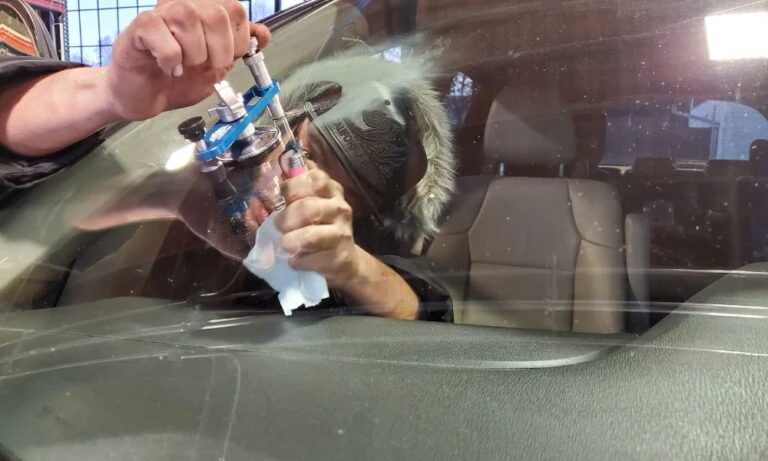

Repairing a cracked Tesla windshield safely depends almost entirely on the size, location, and depth of the damage. If the chip is smaller than a quarter (roughly 1 inch in diameter) and is not located directly in the driver's line of sight or in front of the Autopilot camera housing, a resin injection repair is usually a safe and effective solution. However, if the crack is longer than a dollar bill, reaches the edge of the glass, or obstructs any sensors, a full windshield replacement is mandatory to maintain the vehicle's structural integrity and safety features.
Tesla windshields are not just barriers against the wind; they serve as a critical structural component of the vehicle and a lens for the advanced driver-assistance systems. Ignoring a minor chip can quickly escalate into a massive spiderweb crack due to thermal stress or chassis flex. This guide outlines the specific criteria for repair versus replacement and explains how to handle glass damage without compromising the sophisticated technology embedded in the vehicle.
Automotive safety experts and glass technicians emphasize that speed is the most significant factor in a successful repair. Contaminants like dirt and washer fluid can enter a fresh crack, making it difficult for the repair resin to bond with the glass. Addressing the damage within the first 48 hours significantly increases the chances of a successful repair that restores strength and optical clarity.
Assessing the Damage Severity
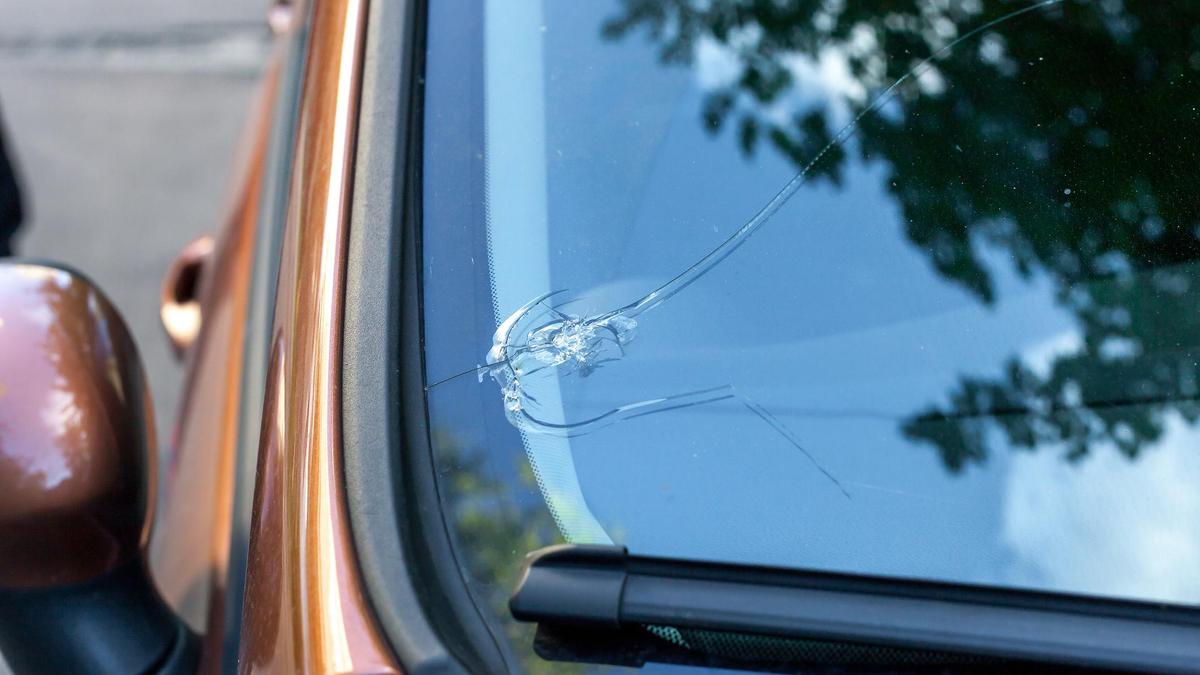
Before calling a shop, an owner can perform a quick self-assessment to determine if the glass is salvageable. The "Quarter Test" is the industry standard. Place a quarter over the impact point. If the damage hides completely behind the coin, it is likely repairable.
However, the location matters just as much as the size. The windshield is divided into zones. The "Acute Area" (directly in front of the driver) and the "Camera Zone" (top center) have zero tolerance for distortion. Even a successful repair leaves a faint blemish. If this blemish sits in front of the Autopilot cameras, the computer may misinterpret the road, leading to phantom braking or system disconnects.
Repair vs. Replacement Guidelines
The following table breaks down common damage scenarios and the recommended course of action based on industry safety standards.
| Damage Type | Visual Description | Location Restrictions | Recommended Action |
|---|---|---|---|
| Bullseye Chip | Circular impact with a dark center | Safe anywhere except Camera Zone | Repair |
| Star Break | Small impact with short legs radiating out | Safe if under 1 inch diameter | Repair |
| Linear Crack | A single line extending from a point | Unsafe if longer than 3 inches | Replace |
| Edge Crack | Crack starting from or reaching the edge | Always unsafe (Structural risk) | Replace |
| Pit | Small divot with no cracks | Safe anywhere | Repair (Optional) |
The Autopilot Factor
The primary difference between repairing a Tesla windshield and a standard vehicle windshield is the technology behind the glass. The forward-facing cameras located behind the rearview mirror rely on optically clear glass to identify lane markings, pedestrians, and traffic lights.
If a chip occurs in the blacked-out area near the top center of the glass, a repair is generally prohibited. The resin used to fill chips has a slightly different refractive index than the original glass. While this difference is invisible to the human eye, it can confuse the camera sensors. In these cases, even a tiny chip necessitates a full replacement to ensure the safety systems function correctly.
Bonus Tip: Watch the Washer Fluid
If a rock hits the windshield, avoid using the windshield washers immediately. The colored fluid contains dyes and chemicals that can stain the inner layer of the safety glass (the PVB layer), resulting in a permanent discoloration that resin cannot hide.
Regional and Climate Considerations
Temperature fluctuations are the enemy of damaged glass. The windshield acts as a structural support for the roof, meaning it is always under stress.
Cold Climates: In winter, a common mistake is blasting the defroster on a cold, chipped windshield. The rapid temperature change from freezing outside to hot inside causes the glass to expand unevenly. This thermal shock typically causes a small chip to "run" into a foot-long crack instantly. Owners should warm the car up slowly to prevent this.
Hot Climates: Intense heat in regions like Arizona or Texas has a similar effect. The heat causes the glass to expand, while the metal frame expands at a different rate. This stress concentrates on the weakest point—the chip. Parking in the shade and keeping windows slightly vented can reduce the internal pressure and temperature, buying time until a repair can be performed.
Market Data on Repair Costs
Financial data from 2024 shows a massive disparity between repair and replacement costs. A professional resin repair typically costs between $100 and $150. Many insurance policies waive the deductible for repairs to encourage drivers to fix chips early.
In contrast, a full windshield replacement for a Model 3 or Model Y ranges from $1,000 to over $1,500, including the necessary labor for camera calibration. For the Model X with its massive panoramic windshield, costs can exceed $2,500. This data underscores the financial importance of catching damage early.
Things to Consider Before Making a Decision
- Lease Return Standards: If the vehicle is leased, Tesla has strict guidelines on glass damage. Any crack larger than a specific size (usually 2 inches) or any chip in the driver’s line of sight will result in penalty fees at lease end. Repairing a chip now prevents a mandatory replacement charge later.
- Insurance Deductibles: Check the specific glass coverage on the insurance policy. If the deductible is $1,000 and the replacement cost is $1,200, filing a claim might not make financial sense compared to paying out of pocket, especially if it affects future premiums.
- Calibration Requirements: If the decision falls to replacement, factor in the time for calibration. A simple glass swap is not enough. The vehicle computer must be recalibrated to accept the new glass position. This often adds 1-2 hours to the service appointment.
Questions People Ask About Windshield Repair
Will the chip disappear completely after repair? No. The repair restores structural integrity and prevents the crack from spreading, but it is not cosmetic surgery. A faint spot or blemish will usually remain visible where the impact occurred.
Can I use a DIY repair kit from an auto parts store? While possible, it is risky. DIY kits often use lower-quality resin and lack the vacuum pressure tools professionals use to remove air pockets. A failed DIY repair cannot be re-done; if it fails, the only option left is replacement.
Does a windshield repair void the Tesla warranty? No. A professional repair does not void the warranty. However, if a third-party technician damages the camera housing or sensors during the process, that specific damage would not be covered by Tesla.
How long does a repair take? A standard chip repair takes about 30 to 45 minutes. The vehicle can be driven immediately afterward, as UV light cures the resin almost instantly.
Is it safe to drive with a long crack? If the crack obstructs the driver's view, it is illegal and unsafe. Structurally, the windshield supports the roof in a rollover accident. A large crack compromises this support, significantly reducing passenger safety in a severe crash.
Final Thoughts
Addressing a cracked windshield immediately is the only way to avoid the high cost of replacement. A small chip is a minor inconvenience, but a long crack is a structural failure. Owners should inspect their glass regularly, especially after highway driving, and apply the "Quarter Test" to any damage they find.
Safety systems in modern electric vehicles rely heavily on the windshield. Treating the glass with the same care as the battery or tires ensures that features like Autopilot continue to protect the vehicle's occupants effectively.
Need Professional Glass Assessment?
For Tesla owners unsure if a crack is safe to repair, Quality Tesla Service offers expert inspections and guidance. Their team understands the specific requirements of Tesla's sensor suites and can determine if a resin repair will hold without compromising safety features.
To schedule an assessment or discuss glass repair options, owners can contact the shop at (215) 355-5019 or send a photo of the damage to [email protected]. Their technicians provide honest recommendations to keep the vehicle safe and road-ready.
Sign in to leave a comment.