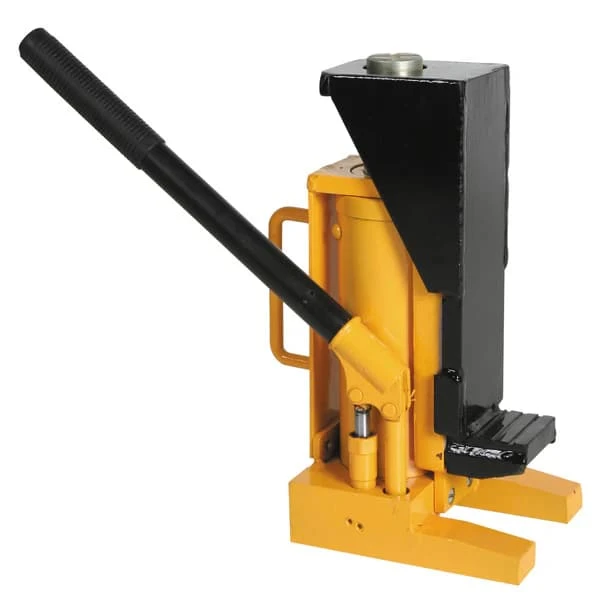

A hydraulic jack is a powerful and essential tool used in a variety of industries, including automotive, construction, and general heavy lifting tasks. It provides a quick and efficient way to lift heavy loads, making it a valuable tool for both professionals and DIY enthusiasts. However, like any lifting equipment, proper use of a hydraulic jack is crucial to ensure safety, prevent accidents, and extend the life of the jack itself.
This guide will provide step-by-step instructions on how to safely use a hydraulic jack for lifting heavy loads. By following the proper procedures and safety measures, you can ensure that you use your hydraulic jack effectively and safely.
Why Safety Matters When Using a Hydraulic Jack
1. Preventing Equipment Damage
Incorrect use of a hydraulic jack can cause significant damage to both the jack and the vehicle or load being lifted. For instance, using the jack on an unstable surface, overloading the jack, or lifting the load incorrectly can damage the hydraulic mechanism or the lifting points.
2. Ensuring Personal Safety
The primary concern when using any lifting equipment is the safety of the operator and anyone nearby. Hydraulic jacks can be extremely powerful, and any mishandling could result in injury. If the load is not properly secured or if the jack fails due to misuse, it could lead to crushing injuries or other serious accidents.
3. Prolonging the Life of Your Hydraulic Jack
Routine checks, proper use, and regular maintenance can extend the lifespan of your hydraulic jack. By adhering to best practices for safe operation, you not only ensure that you lift heavy loads efficiently but also maintain your equipment in top working condition.
Pre-Operation Checks for a Hydraulic Jack
Before using a hydraulic jack, always perform a pre-operation inspection to ensure that the jack is in good working condition.
1. Inspect the Hydraulic Jack for Damage
Examine the jack for any visible signs of damage. Check the frame, lift arm, and hydraulic components for cracks, rust, or bent parts. If you notice any damage or wear, do not use the jack, and have it repaired before use.
2. Check the Hydraulic Fluid Levels
Ensure that the hydraulic fluid is at the appropriate level. Low hydraulic fluid can cause the jack to function improperly or fail completely. If the fluid is low, fill it to the recommended level with the correct type of hydraulic oil as specified by the manufacturer.
3. Examine the Lifting Capacity
Every hydraulic jack has a maximum weight it can safely lift. Verify that the weight of the load you intend to lift does not exceed the jack’s rated capacity. Using a jack beyond its capacity could cause the lift to fail, resulting in a dangerous situation.
4. Check for Proper Functioning of the Release Valve
Before lifting, ensure that the release valve on the jack is functioning correctly. The release valve is used to lower the load, so it’s crucial that it works smoothly without sticking. Test it by turning it slightly to ensure it operates freely.
Step-by-Step Guide to Using a Hydraulic Jack Safely
1. Position the Hydraulic Jack Correctly
The first step in safely using a hydraulic jack is to position it correctly. Ensure the jack is placed on a stable, level surface. If you're working on a vehicle, make sure the tires are on solid ground and not on any soft surfaces like gravel or sand, which can cause the jack to sink or tip over.
Placement Tips:
- Position the jack so that it is centered beneath the load or the vehicle's lifting point.
- Avoid positioning the jack on uneven ground, which could result in the jack tipping over.
- If you're working on a vehicle, refer to the vehicle’s owner’s manual for the correct lifting points to ensure the jack is placed where it can safely lift the load.
2. Engage the Jack’s Lift Mechanism
Once the jack is securely positioned, engage the lift mechanism. This is usually done by turning the handle or lever to activate the hydraulic system. Depending on the type of hydraulic jack you are using, it may require pumping the handle or rotating the lever.
Operating Tips:
- Start lifting slowly, applying gradual force.
- Ensure that the lifting arm is moving smoothly without any resistance.
- Do not force the jack if it feels stuck; check for any issues like low hydraulic fluid or blocked mechanisms.
3. Raise the Load Slowly
As you begin to lift, keep an eye on the load and ensure it’s rising evenly. Never rush the process. The hydraulic jack will lift the load, but if there is any uneven weight distribution or improper placement, the load could become unstable and fall. Keep a steady and consistent motion to lift the load smoothly.
Safety Tips:
- Always keep your hands and body away from the lifting mechanism to avoid injury.
- Use the jack in small increments, especially when lifting a particularly heavy or bulky load.
- If lifting a vehicle, ensure the vehicle is in "Park" mode, with the parking brake engaged, to prevent it from rolling during the lift.
4. Secure the Load Before Working Under It
Once the load is raised to the desired height, it’s critical to secure it before working underneath it or performing any further tasks. For vehicles, this may mean placing jack stands beneath the vehicle to act as additional support. Hydraulic jacks are not designed to hold loads for extended periods without assistance.
Securing the Load:
- Place jack stands underneath the vehicle or load once it is lifted to the desired height.
- Never rely solely on the hydraulic jack to support the load while working underneath it.
- Always double-check that the load is stable and secure before proceeding with any work.
5. Lowering the Load Safely
When it’s time to lower the load, use the hydraulic jack’s release valve to gently lower it. Open the release valve slowly to allow the load to lower at a controlled pace. Do not rush the process, as lowering the load too quickly can cause instability.
Lowering Procedure:
- Gradually open the release valve and let the load lower slowly.
- Keep your body and hands clear of the load and the lifting mechanism.
- Never stand directly under the load while lowering it.
6. After Use: Clean and Store the Hydraulic Jack
Once the work is completed, clean the hydraulic jack to remove any dirt, grease, or debris that could impair its function. Store it in a dry, cool place to prevent rust and damage to its hydraulic components.
Post-Use Care:
- Wipe down the jack with a clean cloth to remove any contaminants.
- If the jack has been exposed to high-pressure conditions, check the seals and hydraulic system for wear or leaks.
- Store the jack in a safe, dry location to prevent damage and ensure it’s ready for the next use.
Additional Tips for Safe Hydraulic Jack Operation
1. Never Exceed the Weight Capacity
Ensure that the weight of the load being lifted does not exceed the hydraulic jack’s rated capacity. Overloading the jack can lead to mechanical failure or, worse, cause it to collapse, leading to significant injury or damage.
2. Use the Right Jack for the Job
There are many types of hydraulic jacks, from bottle jacks to floor jacks, each designed for specific types of lifting tasks. Make sure you choose the right type of jack for the load and the space you are working in.
3. Perform Regular Maintenance
Check your hydraulic jack regularly for any signs of wear or damage. Ensure that the hydraulic fluid is topped up and replace seals or parts as needed. Regular maintenance will keep the jack operating smoothly and safely for longer.
Conclusion
Operating a hydraulic jack safely requires a combination of proper technique, regular maintenance, and safety precautions. By following these steps, including pre-operation checks, correct lifting procedures, and post-operation care, you can ensure that the hydraulic jack is used effectively and safely, reducing the risk of accidents and extending the life of the equipment.
For more information on hydraulic jacks and other lifting equipment, UK Lifting Store provides a wide range of resources to support safe lifting operations.



























Sign in to leave a comment.