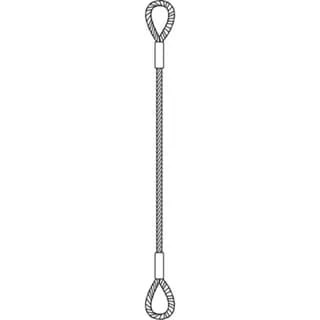

Handling heavy loads safely requires reliable equipment, and lifting wire rope slings are among the most trusted tools in the industry. These slings are valued for their strength, flexibility, and durability. However, improper use can lead to accidents, damage to the load, or equipment failure. Understanding common mistakes and how to avoid them is essential for anyone working with wire rope slings. This article highlights key practices to ensure safe and efficient use in lifting operations.
Selecting the Right Wire Rope Sling
Assessing Load Requirements
Choosing the correct wire rope sling starts with a thorough evaluation of the load's weight and size. Using an undersized sling can cause breakage, while an oversized sling may be difficult to handle. Proper selection ensures safety and efficiency during lifting tasks.
Considering Sling Construction
Different types of wire rope slings are available, including standard, braided, and cable-laid designs. Each offers unique benefits for specific applications. Selecting the appropriate construction based on load type and lifting conditions minimizes wear and enhances performance.
Inspecting Wire Rope Slings Before Use
Visual Inspection
Before every lift, a visual inspection is critical. Users should look for signs of wear such as broken wires, corrosion, kinks, or crushed sections. Detecting damage early prevents potential failure and accidents during operation.
Checking End Fittings and Attachments
End fittings, including hooks and thimbles, must be inspected for deformation or cracks. Faulty attachments compromise the sling’s integrity. Ensuring these components are in good condition is vital for safe lifting.
Proper Use and Handling Techniques
Avoiding Overloading
One of the most common errors is exceeding the sling’s rated capacity. Overloading can lead to catastrophic failure. It is essential to adhere strictly to load limits specified by manufacturers and standards.
Preventing Abrasion and Impact Damage
Wire rope slings can suffer damage from sharp edges or sudden impacts. Using protective padding or edge guards helps reduce abrasion. Gentle handling during rigging and lifting preserves sling integrity.
Correct Sling Angle Usage
The angle at which slings are used affects their lifting capacity. Narrow angles increase tension on the sling, potentially reducing its strength. Maintaining proper sling angles within recommended limits avoids undue stress.
Storage and Maintenance Practices
Clean and Dry Storage
Storing slings in clean, dry environments prevents corrosion and contamination. Exposure to moisture or chemicals can weaken wire strands over time. Proper storage extends the service life of slings.
Regular Lubrication
Applying appropriate lubrication to wire rope slings reduces friction between strands. This helps prevent wear and maintains flexibility. Periodic lubrication is part of effective sling maintenance.
Training and Awareness
Educating Operators
Training personnel in the correct use and inspection of wire rope slings is essential. Understanding safe practices reduces human error and enhances workplace safety. Ongoing education ensures updated knowledge of standards and techniques.
Following Industry Standards
Compliance with relevant safety standards and regulations ensures consistent use of best practices. Adhering to guidelines helps organizations maintain safe lifting environments and avoid legal issues.
Common Mistakes to Avoid
Ignoring Signs of Damage
Neglecting visible signs of wear or damage can lead to dangerous failures. Users must prioritize thorough inspections and remove compromised slings from service immediately.
Using Slings for Unintended Purposes
Wire rope slings should be used only for their designed lifting purposes. Using them for towing or other unintended tasks can weaken the sling and increase risk.
Improper Rigging Practices
Incorrect rigging, such as twisting the sling or improper attachment, compromises load stability. Proper rigging techniques are critical for safe lifts.
Conclusion
Avoiding common mistakes with lifting wire rope slings significantly enhances safety and efficiency in lifting operations. Proper selection, regular inspection, careful handling, and operator training all contribute to effective use and longer service life. For access to high-quality equipment and expert advice, turn to UK Lifting Store.

















Sign in to leave a comment.