

1. Key Factors to Consider When Choosing Underwater Lights for Kayaking
a) Purpose & Use-case
- Visibility vs Fishing: Are you mainly using the lights to be seen by other vessels (safety/navigation), or to attract fish under the kayak? The requirements differ.
- Night Paddling / Touring: For pure safety, a 360° white light or mast light is common.
- Underwater Fishing: If you want to attract fish, underwater kayak lights colored dive lights (green, blue) are often used.
b) Waterproofing & Durability
- IP Rating: Look for a high waterproof rating, e.g., IP67 or IP68, so the light can handle immersion or splashes.
- Build Material: For submersible lights, corrosion resistance is important (saltwater is harsh).
- Shock Resistance: On a kayak, gear may bump or drop — a rugged build helps.
c) Brightness (Lumen Output)
- More lumens = brighter light, but also more power consumption.
- For attracting fish, both brightness and the type of light (spectrum) matter.
d) Power Source & Runtime
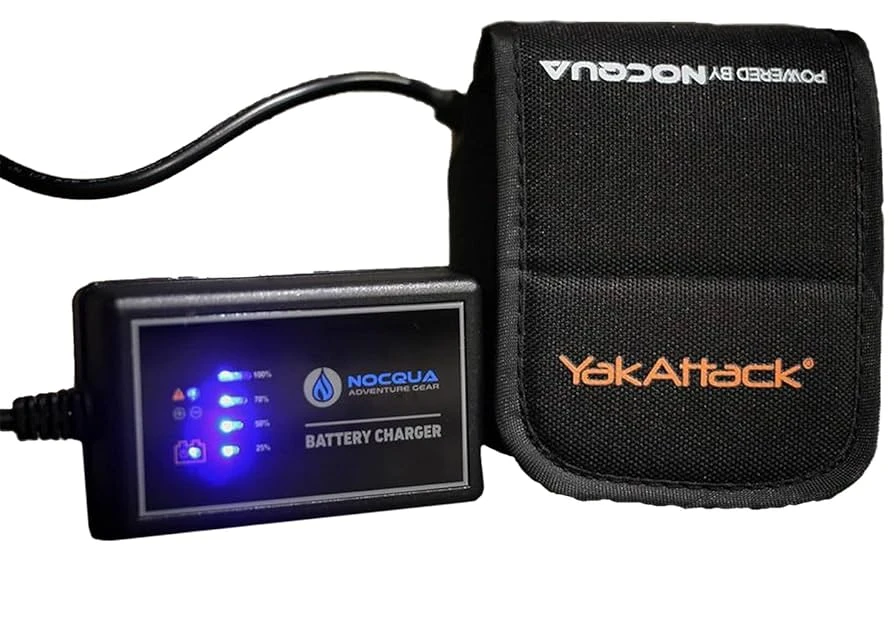
- Battery vs Wired: Some lights run on AA/AAA or built-in rechargeable batteries, others need 12V power (which means you’ll need a battery setup on your kayak).
- Battery Life: How long the light can run is critical for long night trips.
- Rechargeability: USB-rechargeable lights are very convenient.
e) Mounting Options
- Fixed Mount: Surface-mount lights can be glued or screwed under your kayak hull.
- Portable / Removable: Clip-on, suction, powerbank backpack or pole-mounted lights can be removed or repositioned.
- Consider whether the light floats if it detaches.
f) Color / Light Spectrum
- White Light: Good for general visibility and navigation.
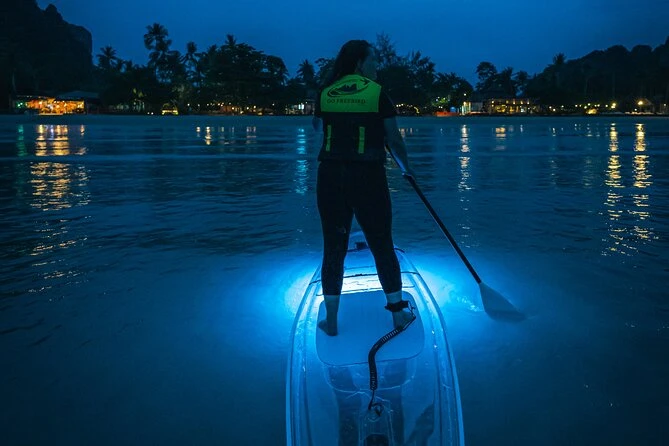
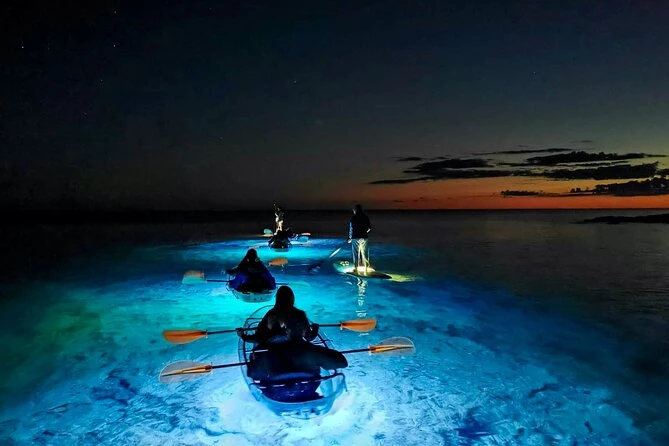
- Colored (Green / Blue): Better for attracting fish underwater.
- Red or Low-Intensity Light: Useful for interior or deck illumination; 3 amp inline fuse helps preserve your night vision. As some paddlers mention:
“I prefer green light … it preserves detail … casts farther.”
g) Legal and Safety Regulations
- Depending on where you're kayaking, there might be navigational light requirements (for example, a white 360° light) for safety.
- Always check local boating or kayaking regulations to ensure compliance.
h) Weight and Portability
- Since kayaks are weight-sensitive, heavier lights (especially with battery packs) might affect balance or portability.
2. Pros and Trade-offs
Trade-offImplicationBrightness vs Power UseHigh lumens = more battery drain. For long trips, you might compromise on brightness to save power.Fixed Mount vs RemovableFixed is more reliable but less flexible; removable gives you options but risk of losing it.White vs Colored LightWhite is safer/navigational; colored is better for fishing, but not always suitable as a navigation light.Waterproof Rating vs CostHigher IP ratings and rugged builds cost more.




























Sign in to leave a comment.