Reaching customers instantly is every business’s dream, and WhatsApp has made that possible. With its massive user base and real-time engagement, it has become one of the most effective communication platforms for brands, agencies, and small businesses. But here’s the challenge — many businesses face temporary or permanent bans when they try to send promotional messages in bulk. This happens mainly because of spammy practices, unverified message formats, and improper sending methods.
So how can you send bulk WhatsApp messages without ban and still maintain high deliverability? Let’s explore the right approach.
1. Understand Why WhatsApp Bans Numbers
Before learning the safe way, it’s important to know why WhatsApp restricts numbers.
Common reasons include:
- Sending messages too quickly to hundreds of contacts at once.
- Using non-verified or third-party tools that mimic WhatsApp’s API.
- Repeatedly sending promotional content without user consent.
- Ignoring WhatsApp’s business policy on template approval.
In short, WhatsApp’s systems are designed to detect spam-like behavior. To reach customers effectively, businesses must follow the official communication standards.
2. Use Approved Message Templates
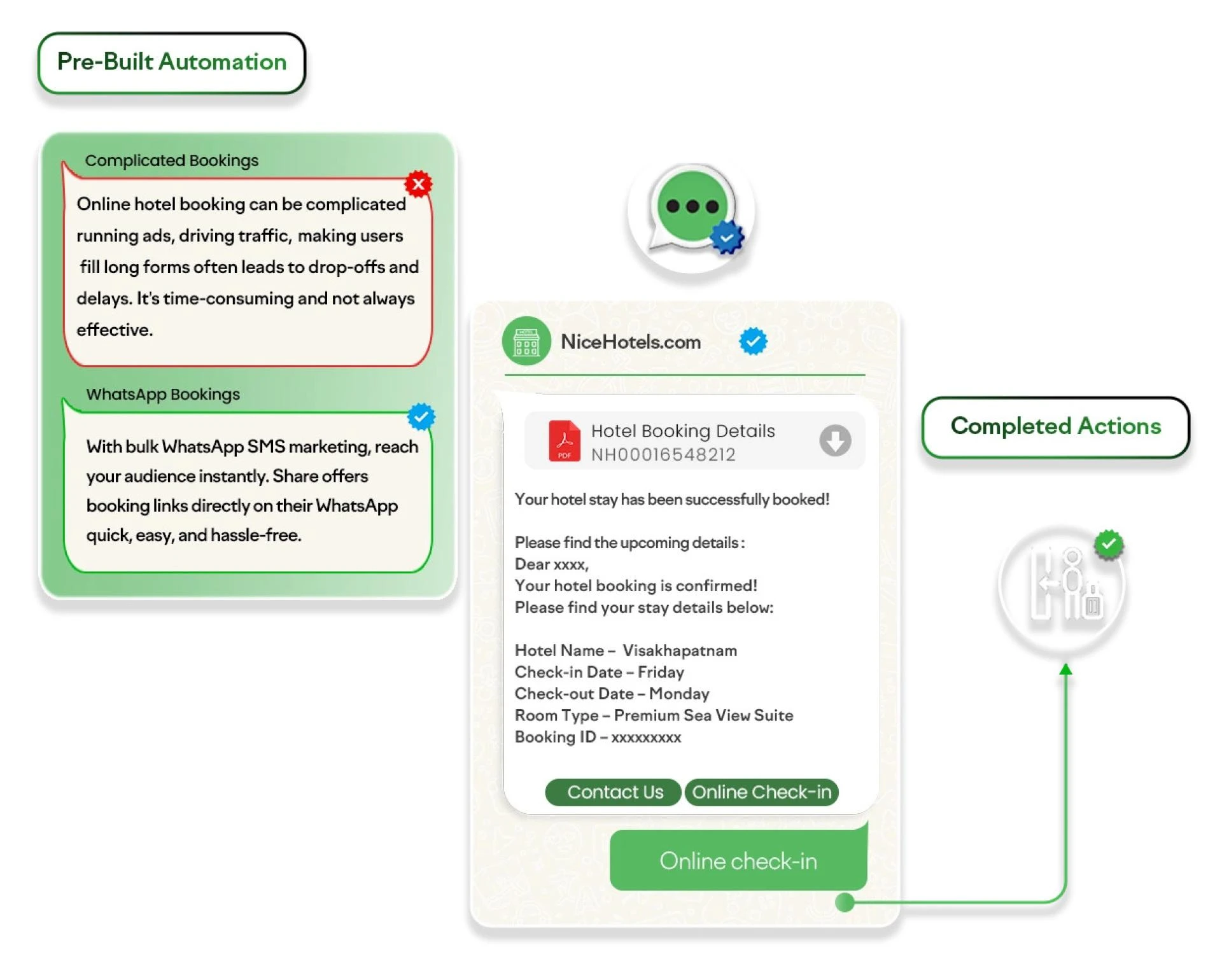
The safest way to ensure uninterrupted message delivery is by using pre-approved message templates. These templates are reviewed for compliance and ensure your content doesn’t look like spam. Templates can include:
- Greetings or welcome messages
- Order confirmations and updates
- Appointment reminders
- Personalized offers or service notifications
Using these approved formats helps maintain trust with customers and aligns your outreach with WhatsApp’s policies.
3. Maintain a Healthy Sending Pattern
WhatsApp monitors sending behavior to prevent misuse. To avoid restrictions:
- Send messages in intervals, not all at once.
- Mix up your content — don’t send the same text repeatedly.
- Start with a smaller list and gradually scale up.
- Keep engagement natural — respond to replies instead of one-way blasts.
Consistency and authenticity are key to maintaining a verified and trusted business number.
4. Keep Your Contact List Clean
Only message users who have given opt-in consent. When customers willingly share their numbers, your messages are less likely to be reported as spam. Always:
- Collect leads through website forms, ads, or QR codes.
- Avoid buying contact lists or scraping numbers.
- Update and clean your database regularly.
This not only ensures compliance but also improves open and response rates.
5. Personalize Every Message
Personalization makes a big difference. Instead of sending generic texts, add names, preferences, or purchase details. Example:
“Hi Rahul, your service slot is confirmed for tomorrow at 10 AM.”
Such messages feel personal and useful, reducing the chances of being flagged. It’s one of the simplest yet most powerful ways to keep your campaigns genuine.
6. Monitor and Optimize Campaigns
Analyze metrics like message delivery, read rates, and response ratios. If you notice unusual drops, adjust your sending frequency or message style. Constant monitoring ensures your outreach remains within safe limits.
7. Focus on Value, Not Just Volume
Remember, bulk WhatsApp messages without ban depend on quality more than quantity. When your messages deliver value — be it updates, offers, or assistance — users engage positively, and the platform sees your activity as legitimate communication.
Final Thoughts:
WhatsApp marketing works best when done responsibly. Use verified templates, send at healthy intervals, respect user privacy, and always keep communication meaningful. By following these simple yet effective practices, you can run successful bulk WhatsApp campaigns without facing bans — building trust, engagement, and long-term customer relationships.























Sign in to leave a comment.