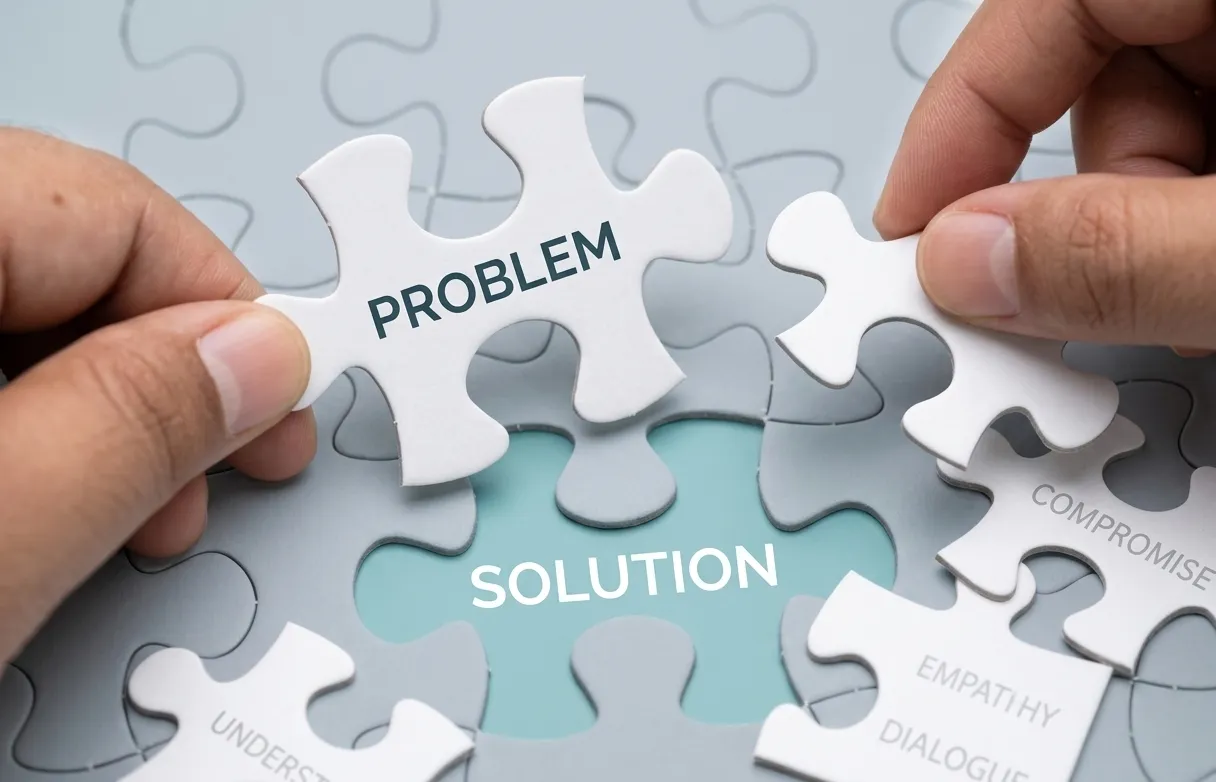

Conflict is a normal part of every relationship. No matter how much two people love each other, disagreements will happen. Different opinions, emotional reactions, stress, and misunderstandings are all part of human connection. The problem is not conflict itself—it is how couples handle it.
Many people think arguments automatically mean something is wrong in the relationship. But healthy couples also disagree. The difference is that they learn healthy ways of handling conflict instead of letting it damage emotional connection.
Learning proper conflict resolution can strengthen trust, improve communication, and create deeper understanding between partners. In fact, many couples experience the most growth after learning how to work through difficult moments together.
Understanding Why Conflict Happens
Most arguments are not really about the surface issue. A disagreement about chores, texting habits, or spending time together is often connected to deeper emotions like feeling ignored, unappreciated, or misunderstood.
I once had a conversation with a friend who constantly argued with her husband about small daily responsibilities. At first, it seemed like the problem was household stress. But after opening up honestly, she realized she mostly felt emotionally unsupported during difficult weeks.
This happens in many relationship challenges. The visible argument is often hiding a deeper emotional need underneath. Understanding this can completely change the way couples approach conflict resolution because it shifts the focus from blame to understanding.
Stay Calm Before Responding
One of the biggest mistakes people make during arguments is reacting immediately from emotion. When people feel hurt or angry, they often say things they later regret.
Healthy conflict resolution starts with emotional control. This does not mean ignoring feelings. It simply means taking a moment to breathe before reacting impulsively.
In many difficult relationships, couples fall into repetitive cycles of yelling, blaming, or shutting down emotionally. These reactions rarely solve anything because both people become focused on defending themselves instead of understanding each other.
Sometimes even taking a short break during a heated conversation can help. A calm discussion almost always leads to better solutions than an emotionally explosive argument.
Learn to Listen Without Interrupting
Many people listen only to respond, not to truly understand. During conflict, this becomes even more noticeable because both people want to explain their own feelings first.
But real conflict resolution requires active listening. It means allowing your partner to fully express themselves without immediately becoming defensive or interrupting.
I remember a disagreement I once had where I became so focused on explaining my side that I completely ignored what the other person was actually feeling. Later, I realized the argument could have ended much sooner if I had simply listened carefully first.
Feeling heard creates emotional safety. In long-term relationships, emotional safety is one of the most important things couples can build together. Sometimes people calm down significantly once they feel understood.
Avoid Blame and Harsh Language
Words spoken during anger can leave emotional scars that last much longer than the actual argument. This is why communication style matters so much during disagreements.
Instead of saying:
“You never care about me.”
Try saying:
“I feel hurt when I do not feel supported.”
This small change shifts the conversation away from blame and toward emotional honesty. Healthy conflict resolution focuses on expressing feelings without attacking the other person’s character.
Harsh criticism often creates defensiveness, especially in difficult relationships where emotional wounds may already exist. Gentler communication creates more openness and understanding.
This approach also supports healing in relationships because it encourages safer and more respectful conversations over time.
Focus on Solving the Problem Together
Arguments become unhealthy when couples focus more on winning than solving the issue itself. Relationships are not competitions. If one person “wins” while the other feels emotionally defeated, the relationship still suffers.
Healthy conflict resolution happens when couples work as a team instead of opponents. The goal should be understanding and compromise, not proving who is right.
One couple I knew had a rule during disagreements: they reminded themselves that the problem was the enemy, not each other. That simple mindset helped them stay calmer during stressful conversations.
This teamwork mentality is especially important in long-term relationships, where couples face many life challenges together over the years. Working together strengthens trust and emotional connection.
Take Responsibility for Your Own Actions
One important part of conflict resolution is learning how to acknowledge your own mistakes honestly. This can be difficult because many people instinctively protect themselves during conflict.
But healthy relationships require accountability. Saying “I was wrong” or “I could have handled that better” can completely shift the tone of an argument.
I personally learned this lesson after realizing I often became defensive during emotional conversations. Once I started acknowledging my own communication mistakes more openly, my relationships improved significantly.
Self-awareness encourages personal growth in relationships because it helps people recognize unhealthy patterns and improve emotional behavior over time. Growth happens when people stop focusing only on their partner’s mistakes and start reflecting on their own actions too.
Do Not Ignore Emotional Repair After Conflict
Many couples think the conflict is over once the argument stops. But emotional repair is just as important as solving the disagreement itself.
Sometimes people forgive verbally but still carry emotional hurt internally. Without emotional repair, unresolved pain slowly builds underneath the surface.
Healthy healing in relationships often happens after the conflict ends. This can include comforting each other, apologizing sincerely, spending quality time together, or simply checking in emotionally afterward.
In many relationship challenges, couples solve the practical issue but forget to rebuild emotional closeness afterward. Emotional repair strengthens trust and prevents resentment from growing quietly over time.
Conflict Can Lead to Relationship Transformation
Although conflict feels uncomfortable, it can actually strengthen relationships when handled properly. Many couples become emotionally closer after learning healthy communication and understanding each other more deeply.
Every disagreement creates an opportunity to learn more about each other’s emotions, fears, and needs. Over time, this creates stronger emotional intimacy and understanding.
Real relationship transformation often happens when couples stop fearing conflict and start handling it with maturity and empathy. Instead of seeing arguments as signs of failure, they begin viewing them as opportunities for growth.
This mindset encourages healthier communication, deeper trust, and stronger emotional connection. It also supports long-term personal growth in relationships because both people continue learning and improving together.
Final Thoughts
Conflict is a natural part of every relationship, but it does not have to destroy emotional connection. With patience, empathy, and healthy communication, couples can learn effective conflict resolution skills that strengthen their relationship instead of damaging it.
The key is learning to stay calm, listen carefully, communicate respectfully, and work together toward solutions instead of blame. These habits create emotional safety and stronger trust over time.
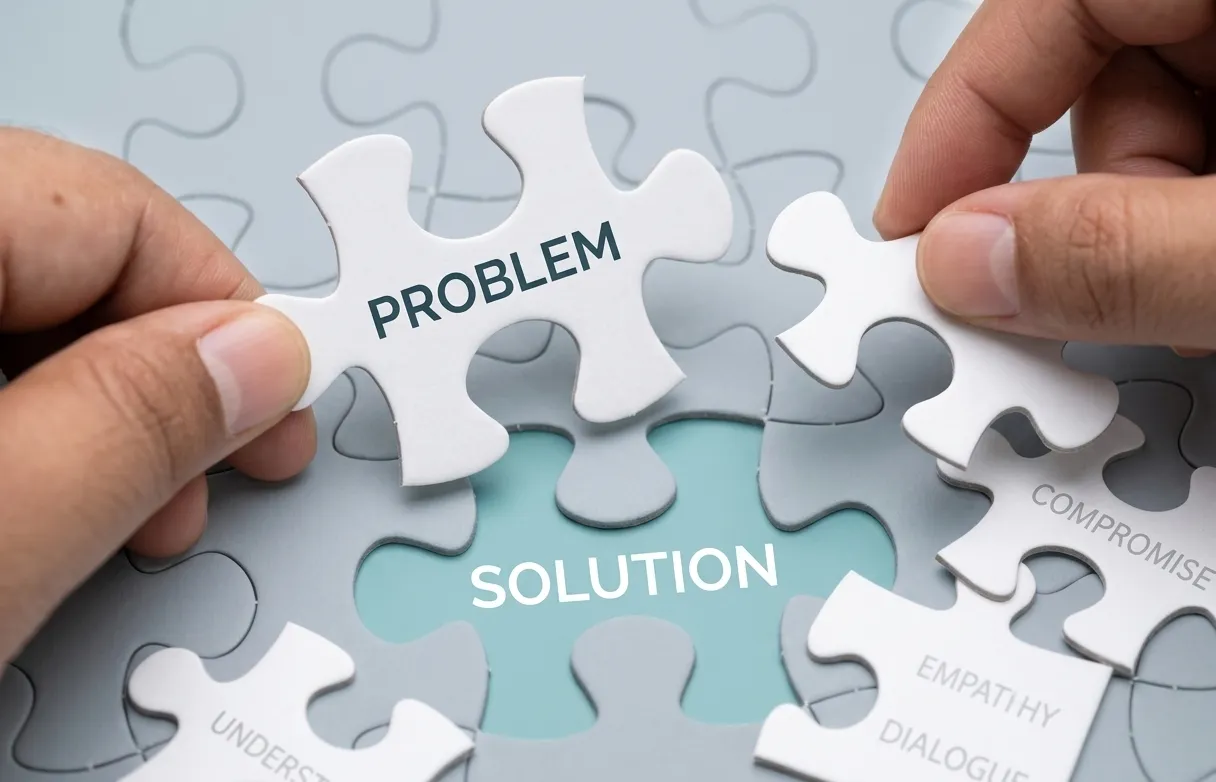
Whether you are facing small misunderstandings or bigger relationship challenges, remember that growth is possible. Healthy communication supports healing in relationships, strengthens emotional connection in long-term relationships, and encourages meaningful relationship transformation.
Most importantly, learning healthy conflict resolution helps couples build deeper understanding, stronger trust, and lasting emotional connection. If you want to improve communication and strengthen your relationship, visit Sandee Villeza for guidance and support.

























Sign in to leave a comment.