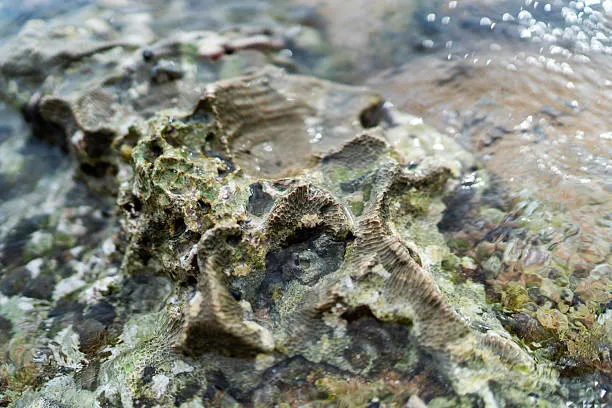

The world of mineralogy offers a vast array of treasures, but finding the right balance between rarity and beauty is a common challenge. Serious collectors often look for materials that have a documented history and a distinct visual signature. One of the most sought-after sulfate minerals comes from volcanic terrains where extreme conditions have forged beautiful, solid masses.
Sourcing these stones involves more than just picking a pretty object; it requires an understanding of mineral quality and origin. Whether you are buying for a museum-grade display or a personal workshop, knowing what to look for is essential. The right specimen will maintain its color and structural integrity for generations, serving as a permanent record of the earth's power.
Technical Properties of the Alunite Mineral
In technical terms, this mineral is a potassium aluminum sulfate that belongs to a larger group of similar chemical structures. It has a hardness of about 3.5 to 4 on the Mohs scale, making it relatively soft compared to silicate minerals. This softness allows for a specific type of luster and a unique feel that collectors find very appealing.
When you evaluate an alunite mineral, you should check for a consistent, fine-grained texture across the entire surface. High-quality samples will be free from large, distracting cracks or crumbling edges that could indicate poor consolidation. A solid, heavy-feeling specimen is always preferred over one that feels light or brittle, as it indicates a much higher mineral purity.
Refractive Index and Luster
The way light interacts with the surface of a stone is a key indicator of its overall quality and mineral type. This sulfate variety usually displays a vitreous to pearly luster, especially on freshly broken or polished surfaces. This subtle shine gives the stone a "glow" from within, which is highly prized by those who display their collections under professional gallery lighting.
Chemical Purity and Inclusions
While some collectors prefer pure white specimens, others look for inclusions that provide hints of other minerals like hematite. These inclusions can create red or orange streaks that add a dramatic flair to the otherwise pastel-toned stone. Understanding which inclusions are desirable versus those that weaken the stone’s structure is a vital skill for any serious mineral buyer.
Creative Applications for High-Quality Alunite Rock
Because of its unique colors and relatively soft nature, this stone is a favorite for artisans who enjoy carving and shaping minerals. It can be worked into beautiful spheres, bookends, or even intricate sculptures that showcase the natural banding of the material. The warm, organic feel of the stone makes it a popular choice for tactile art pieces.
Working with a piece of alunite rock allows the artist to explore the relationship between form and natural color. The stone’s ability to take a smooth, matte finish makes it ideal for modern, minimalist art styles that focus on shape rather than high-gloss shine. It remains a versatile material for anyone looking to experiment with volcanic minerals in their creative projects.
Lapidary Tips for Shaping Stone
When carving this material, it is important to use sharp tools and a gentle touch to avoid splintering the fine-grained matrix. Because it is softer than quartz, it can be shaped relatively quickly, allowing for more focus on the fine details of the design. Always use water during the grinding process to keep the stone cool and prevent the buildup of dust.
Displaying Carved Mineral Art
Once a piece is finished, it should be displayed in a location where its texture can be appreciated through both sight and touch. The soft pink and cream tones look spectacular when placed against dark wood or metal backgrounds. Using a simple, non-reactive base ensures that the focus remains entirely on the natural beauty of the carved volcanic stone.
Conclusion
The process of sourcing and identifying unique minerals is a rewarding journey that connects the collector to the deep history of the planet. By focusing on technical quality and artistic potential, you can build a collection that is both beautiful and scientifically sound. These stones offer a unique glimpse into the hydrothermal processes that shape our world's diverse geological landscape.
As you move forward in your collecting journey, let your eye for detail and your appreciation for natural history guide your choices. There is a specific type of satisfaction that comes from finding a perfect specimen that represents millions of years of earth's history. Invest in the timeless beauty of volcanic minerals and enjoy the enduring appeal of the natural world.


























Sign in to leave a comment.