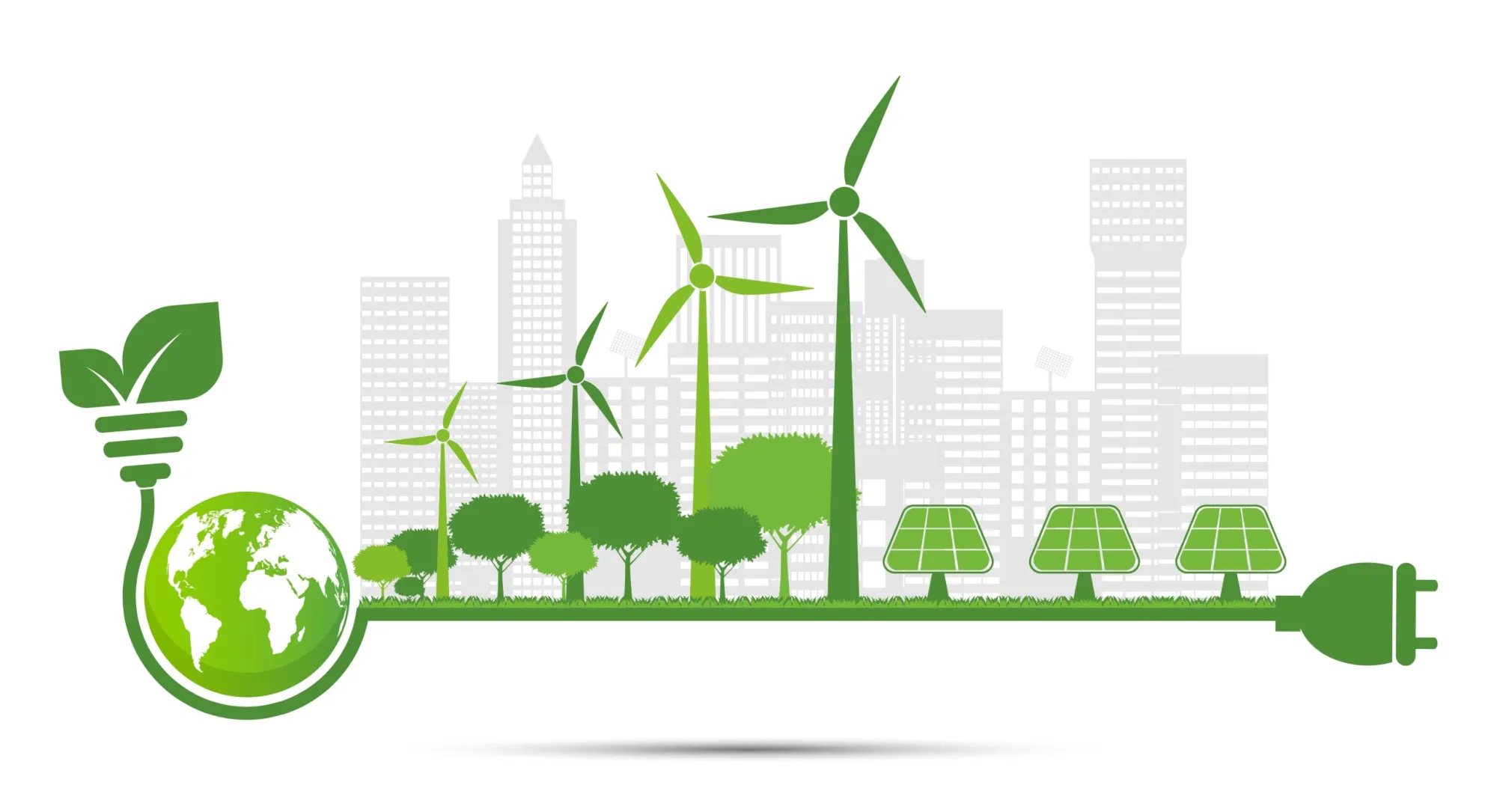

Start with a Clear Sustainability Plan
Achieving LEED certification is an important milestone for organizations that want to create environmentally responsible and resource-efficient buildings. A well-organized project not only improves environmental performance but also enhances occupant comfort, operational efficiency, and long-term property value. Planning early and following a structured approach can significantly reduce delays during the certification journey. Many organizations also consider WELL certification alongside sustainable building goals to create healthier and more comfortable indoor environments. By focusing on preparation, collaboration, and continuous monitoring, project teams can complete the certification process more efficiently while delivering long-lasting benefits.
Understand the Certification Requirements
The first step toward speeding up the certification process is understanding the project requirements before design work begins. Every successful project starts with a complete understanding of sustainability goals, documentation expectations, and project responsibilities.
When everyone involved understands the certification objectives from the beginning, decision-making becomes faster and more consistent throughout the project.
A clear understanding also minimizes unnecessary revisions later in the construction process.
Set Realistic Project Goals
Create a Roadmap Before Work Begins
Projects move more efficiently when clear objectives are established early.
A well-defined roadmap should identify:
- Sustainability priorities
- Target certification level
- Resource allocation
- Project timeline
- Documentation responsibilities
- Performance expectations
Having these elements in place helps every team member stay aligned throughout the project lifecycle.
Clear planning reduces confusion and encourages better coordination between all departments.
Build the Right Project Team
Collaboration Makes a Difference
A successful certification process depends on teamwork.
Bringing together experienced professionals from different disciplines enables the integration of sustainability goals at every stage of the project.
The project team may include:
- Architects
- Engineers
- Interior designers
- Project managers
- Sustainability specialists
- Facility managers
- Construction professionals
When everyone works toward shared objectives, project coordination becomes much smoother.
Strong communication also helps resolve questions quickly before they become larger challenges.
Integrate Sustainability During the Design Stage
Plan Early Instead of Making Changes Later
One of the easiest ways to speed up certification is to include sustainability strategies during the initial design phase.
Early planning allows designers to select appropriate materials, optimize building orientation, improve energy performance, and maximize indoor environmental quality without major redesigns.
Making sustainability part of the original design reduces the need for additional work later in the project.
It also helps maintain project schedules while improving building performance.
Maintain Accurate Documentation
Organize Information from Day One
Documentation plays an essential role throughout the certification process.
Waiting until the project is nearly complete often creates unnecessary pressure and increases the possibility of missing information.
Instead, maintain organized records throughout every project phase.
Useful documentation may include:
- Material specifications
- Product information
- Construction records
- Energy calculations
- Water efficiency data
- Waste management records
- Indoor environmental quality information
Well-organized documentation allows project teams to respond quickly whenever information is required.
Choose Sustainable Materials Early
Reduce Delays During Construction
Material selection can influence both project schedules and certification progress.
Choosing environmentally responsible products during the planning stage provides multiple advantages.
Early material selection allows teams to:
- Confirm product availability
- Review sustainability documentation
- Coordinate supplier schedules
- Avoid last-minute substitutions
This proactive approach supports smoother construction while improving overall project efficiency.
Improve Communication Between Teams
Keep Everyone Informed
Large building projects involve many stakeholders.
Regular communication helps ensure every department understands current priorities and upcoming milestones.
Effective communication includes:
- Weekly project meetings
- Progress updates
- Shared documentation
- Collaborative planning
- Clear decision-making processes
Strong communication reduces misunderstandings and keeps projects moving forward.
Monitor Progress Throughout the Project
Track Performance Regularly
Continuous monitoring allows teams to identify opportunities for improvement before small issues affect project timelines.
Performance reviews should evaluate:
- Construction progress
- Sustainability objectives
- Documentation completion
- Resource management
- Project scheduling
Regular monitoring creates opportunities to adjust plans while maintaining certification goals.
Improve Resource Management
Efficient Resource Planning Supports Success
Efficient use of resources contributes to both sustainability and project efficiency.
Organizations should carefully manage:
- Building materials
- Energy usage
- Water consumption
- Construction waste
- Equipment utilization
- Labor scheduling
Well-managed resources reduce unnecessary delays while supporting environmental performance.
Focus on Energy Efficiency
Support Long-Term Building Performance
Energy-efficient design contributes significantly to the success of sustainable buildings.
Projects can improve efficiency through:
- High-performance insulation
- Efficient lighting systems
- Smart controls
- Modern HVAC systems
- Energy monitoring technologies
Energy-efficient buildings often provide lower operating costs and greater occupant comfort long after construction is complete.
Enhance Indoor Environmental Quality
Create Comfortable Spaces
Healthy indoor environments contribute to overall building performance.
Improving indoor environmental quality may involve:
- Better ventilation
- Natural daylight
- Comfortable temperatures
- Low-emission materials
- Improved air quality
Comfortable indoor spaces support occupant satisfaction while contributing to sustainable building objectives.
Encourage Continuous Team Training
Knowledge Improves Performance
Project teams benefit from ongoing education throughout the certification process.
Training helps team members:
- Understand sustainability objectives
- Improve documentation quality
- Follow project procedures
- Identify opportunities for improvement
Knowledgeable teams make faster decisions and maintain higher project quality.
Leverage Technology
Digital Tools Simplify Project Management
Modern technology helps improve coordination throughout construction.
Digital solutions can assist with:
- Project scheduling
- Document management
- Performance monitoring
- Team collaboration
- Quality control
Technology improves efficiency while reducing administrative workload.
Conduct Regular Internal Reviews
Identify Improvements Early
Routine project reviews help verify that sustainability objectives remain on track.
Internal reviews provide opportunities to:
- Confirm documentation accuracy
- Review completed work
- Verify project milestones
- Improve coordination
Frequent evaluations reduce the likelihood of delays during final certification review.
Promote Strong Leadership
Leadership Keeps Projects Moving
Successful projects depend on committed leadership.
Project leaders help maintain momentum by:
- Setting clear expectations
- Supporting collaboration
- Encouraging accountability
- Resolving issues quickly
- Maintaining project focus
Strong leadership creates confidence across the entire project team.
Celebrate Small Milestones
Recognize Progress
Large sustainability projects often take many months to complete.
Recognizing progress throughout the project keeps teams motivated and engaged.
Celebrating milestones also reinforces the importance of sustainability objectives while encouraging continued commitment.
Positive project culture contributes to better collaboration and improved long-term outcomes.
Benefits of Speeding Up the Certification Process
Completing certification efficiently offers many long-term advantages.
Earlier Building Occupancy
Projects can become operational sooner, allowing organizations to begin using their facilities more quickly.
Improved Cost Management
Efficient project coordination helps reduce unnecessary delays and associated expenses.
Greater Team Productivity
Well-organized workflows improve collaboration across multiple departments.
Higher Stakeholder Confidence
Successful project delivery demonstrates strong planning and effective management.
Enhanced Building Performance
Early sustainability integration creates buildings that perform efficiently throughout their lifecycle.
Better Occupant Experience
Comfortable, healthy spaces contribute to greater satisfaction among employees, visitors, residents, and customers.
Long-Term Operational Efficiency
Efficient buildings often require fewer resources to operate while maintaining high performance.
Stronger Environmental Responsibility
Well-planned projects contribute to responsible resource management and sustainable development.
Build a Culture of Continuous Improvement
Organizations that consistently improve their project management practices often complete future certification projects more efficiently.
Continuous improvement includes:
- Learning from previous projects
- Sharing best practices
- Improving communication
- Refining documentation procedures
- Investing in employee development
Small improvements made after each project create stronger performance over time.
Final Thought
Speeding up the LEED certification process begins with careful planning, effective teamwork, organized documentation, and continuous communication. When sustainability is integrated into every stage of a project, organizations can achieve better coordination, stronger building performance, and long-term operational benefits without unnecessary delays. Combining sustainable construction practices with broader wellness initiatives such as WELL certification further enhances the value of modern buildings by creating healthier, more efficient, and environmentally responsible spaces. A proactive approach not only supports successful certification but also contributes to lasting value for building owners, occupants, and future generations.

















Sign in to leave a comment.