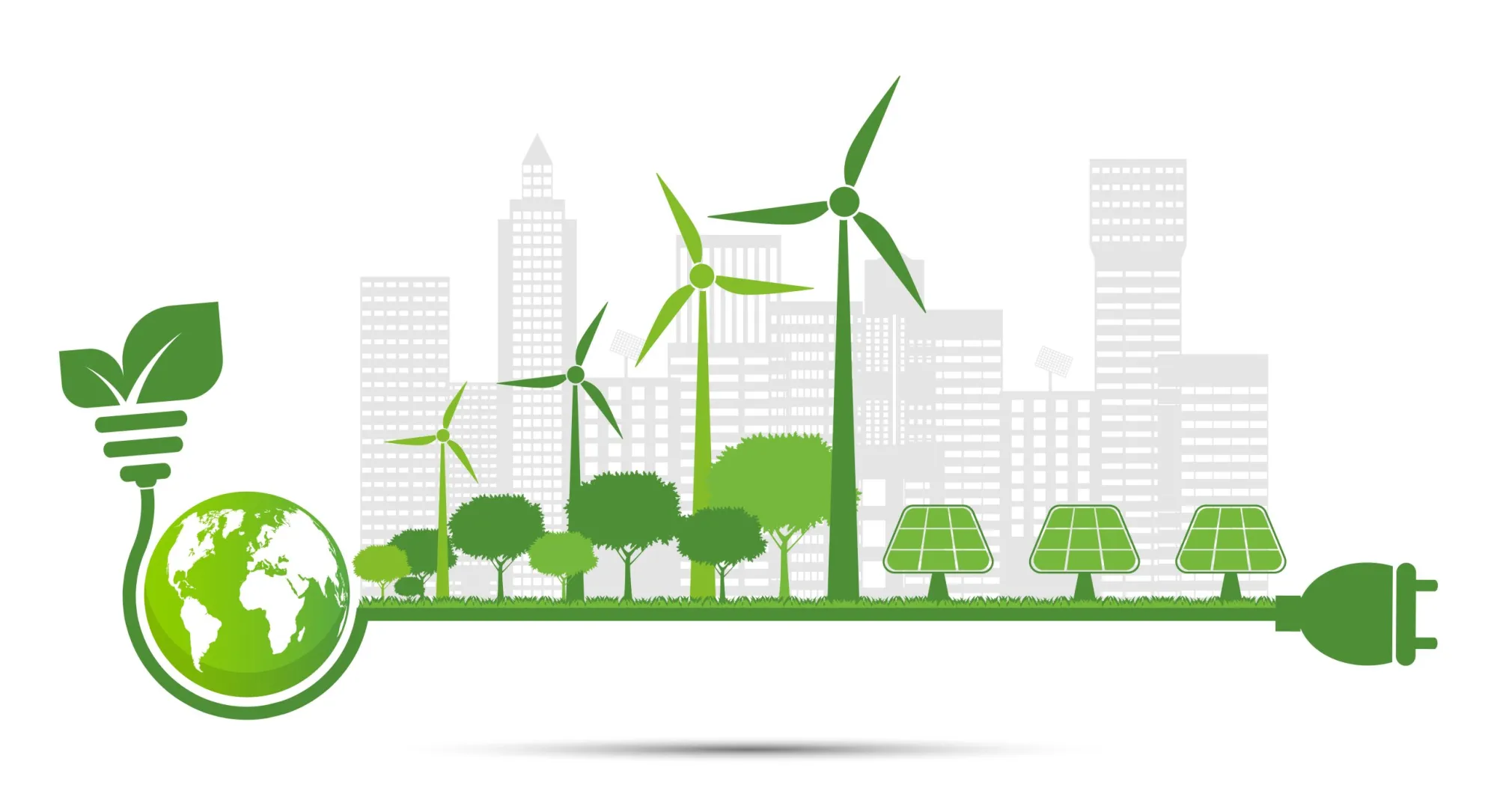

The construction industry is increasingly focused on sustainability, transparency, and environmental responsibility. One of the most effective tools helping architects, builders, and project owners make informed decisions is environmental product declarations. These standardized documents provide detailed information about the environmental impact of construction materials and products throughout their life cycle. As green construction practices continue to expand, environmental data has become a critical component in achieving sustainability goals and improving building performance.
Understanding Environmental Product Declarations
An Environmental Product Declaration (EPD) is a verified document that communicates the environmental impact of a product based on a Life Cycle Assessment (LCA). It follows internationally recognized standards and provides transparent, comparable information about a product's environmental footprint.
EPDs evaluate various environmental indicators, including:
- Energy consumption
- Greenhouse gas emissions
- Water usage
- Resource depletion
- Waste generation
- Air and water pollution impacts
These declarations allow designers and construction professionals to compare products objectively and select materials that align with sustainability targets.
Why Transparency Matters in Sustainable Construction
Sustainable construction relies on accurate data rather than assumptions. Building owners, developers, and design teams need reliable information to assess how products affect the environment throughout extraction, manufacturing, transportation, use, and disposal.
EPDs create a common framework for reporting environmental performance. This transparency encourages manufacturers to improve production processes while helping project teams choose materials with lower environmental impacts.
The Connection Between EPDs and Green Building Programs
Green building rating systems encourage environmentally responsible construction practices. These programs evaluate buildings based on factors such as energy efficiency, water conservation, indoor environmental quality, and material sustainability.
One important area of evaluation is material selection. Rating systems increasingly reward projects that use products with verified environmental information. EPDs provide the documentation needed to support these requirements.
Because EPDs are independently verified and based on scientific methodologies, they offer credibility and consistency in sustainability assessments.
How EPDs Support LEED Certification
Among the most recognized green building programs worldwide is LEED certification. Developed to promote sustainable building practices, LEED awards points across multiple categories that contribute to an overall certification level.
Supporting Material and Resource Credits
LEED encourages project teams to select products with transparent environmental information. EPDs help fulfill requirements within the Materials and Resources category by demonstrating that manufacturers have disclosed environmental impacts through standardized reporting.
Projects can earn valuable points by incorporating products that provide verified environmental data. The more qualifying products included in a project, the greater the opportunity to strengthen LEED performance.
Encouraging Informed Material Selection
EPDs allow architects and engineers to compare products beyond cost and aesthetics. By reviewing environmental impact data, project teams can identify materials with lower carbon footprints and reduced environmental burdens.
This data-driven approach supports LEED's broader objective of reducing the environmental impact of buildings throughout their life cycle.
Promoting Market Transformation
LEED not only rewards sustainable buildings but also encourages manufacturers to improve product transparency. As demand for EPDs grows, more manufacturers invest in environmental assessments and sustainable production methods.
This market transformation helps elevate sustainability standards across the entire construction industry.
Supporting Other Green Building Rating Systems
While LEED is one of the most recognized programs, many other green building frameworks also value environmental transparency and product disclosure.
Building Research Establishment Environmental Assessment Method (BREEAM)
BREEAM promotes sustainable construction through a comprehensive assessment framework. EPDs contribute by providing environmental performance information that supports responsible material selection.
Green Star
Green Star evaluates environmental sustainability in building design and construction. The system rewards transparency and encourages the use of products backed by verified environmental data.
WELL Building Standard
Although WELL focuses heavily on occupant health and wellness, sustainable material selection remains important. EPDs can complement project sustainability strategies while supporting broader environmental goals.
National and Regional Green Building Programs
Many countries have developed their own sustainability certification frameworks. These programs increasingly recognize EPDs as a reliable source of environmental information, making them valuable across a wide range of projects.
Benefits of Using EPDs in Green Building Projects
Improved Decision-Making
EPDs provide objective environmental data that enables project teams to make informed choices. Rather than relying on marketing claims, decision-makers can evaluate measurable environmental impacts.
Increased Project Credibility
Verified environmental information strengthens the credibility of sustainability initiatives. Stakeholders, investors, and regulators often prefer projects supported by transparent environmental documentation.
Reduced Environmental Impact
Selecting products with lower environmental burdens contributes to reduced emissions, resource consumption, and waste generation. This helps projects achieve sustainability objectives more effectively.
Enhanced Regulatory Compliance
Environmental regulations continue to evolve worldwide. EPDs help organizations prepare for stricter reporting requirements and demonstrate compliance with sustainability expectations.
Support for Life Cycle Thinking
EPDs encourage consideration of environmental impacts across the entire product life cycle. This broader perspective helps project teams identify opportunities for long-term environmental improvements.
The Growing Importance of Product Transparency
Sustainability expectations are increasing across the construction sector. Building owners, governments, investors, and occupants are demanding greater accountability regarding environmental performance.
As a result, transparency is becoming a key competitive advantage. Manufacturers that provide verified environmental information can better meet market expectations and participate in sustainability-focused projects.
EPDs also support the transition toward low-carbon construction by making environmental performance visible and measurable. This visibility enables continuous improvement and encourages innovation throughout supply chains.
Future Trends in Green Building Certifications
The future of green building assessment is likely to place even greater emphasis on measurable environmental outcomes. Carbon reduction, embodied carbon analysis, circular economy principles, and life cycle assessment are becoming increasingly important.
EPDs provide the foundation for these emerging sustainability priorities. Their standardized format allows project teams to quantify environmental impacts and make decisions that align with future certification requirements.
As digital tools and building information modeling systems continue to evolve, EPD data will become even more integrated into project planning and sustainability reporting processes.
Final Thought
The role of environmental product declarations in sustainable construction continues to expand as green building standards become more rigorous and data-driven. By providing transparent, verified environmental information, EPDs help project teams make responsible material choices, improve sustainability performance, and achieve certification goals. Whether supporting LEED certification requirements or contributing to broader green building certification programs, EPDs serve as a valuable resource for creating environmentally responsible buildings that meet the expectations of modern construction and sustainable development.






























Sign in to leave a comment.