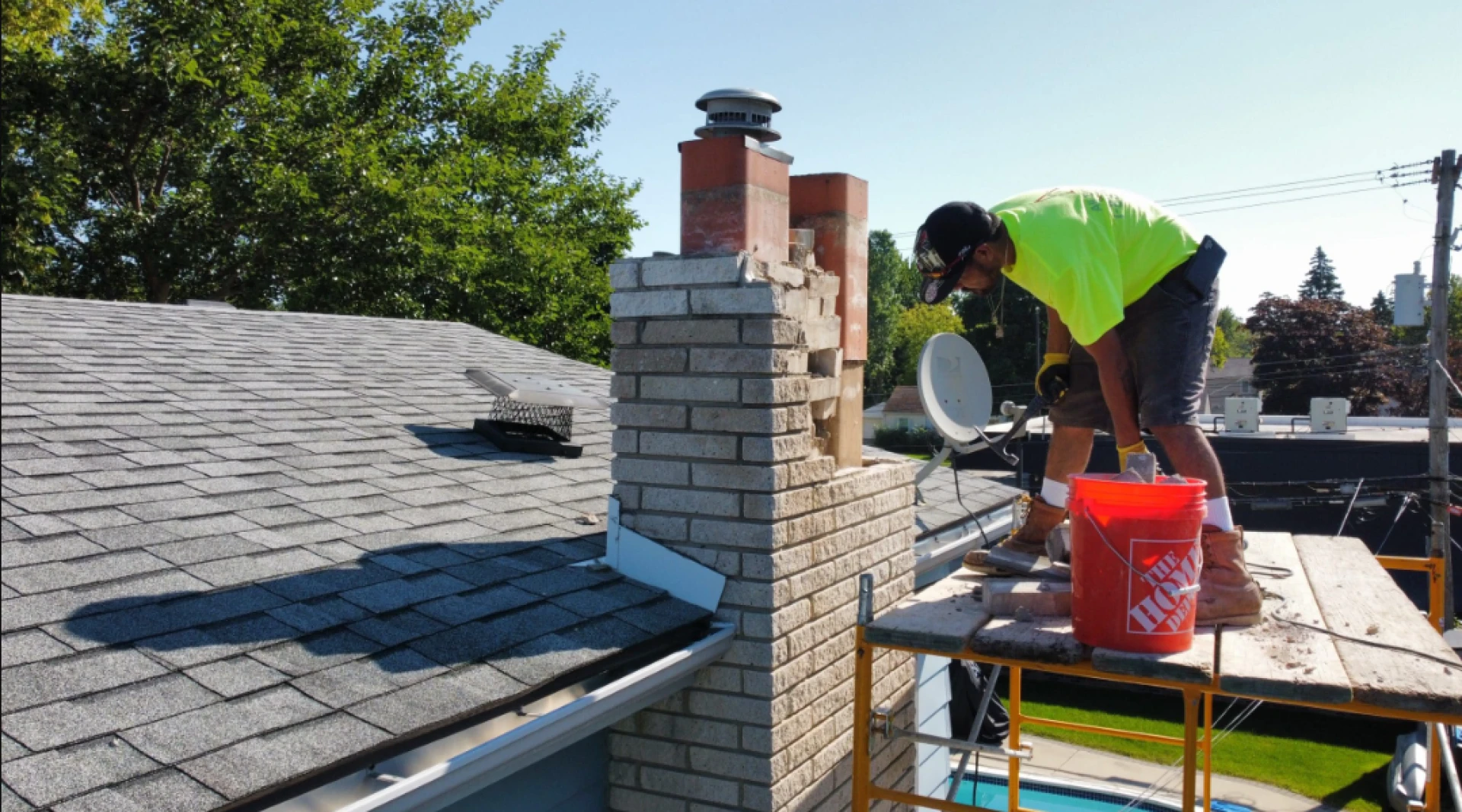

Your chimney might not be something you think about often, but it plays an important role in keeping your home safe and warm. Whether it’s a small crack, a leaking flue, or worn-out bricks, chimney problems can quickly turn into serious issues if not addressed in time. This guide is here to help you understand the basics of chimney maintenance, the signs of damage, and what steps you can take to keep your chimney working properly.
In this post, we’ll cover common causes of chimney repair, how to spot early warning signs, and why professional inspections are so important. If you’re wondering whether you need , you’re in the right place.
Why Chimneys Matter More Than You Think
Chimneys do more than just direct smoke outside. They help ventilate harmful gases, maintain good air quality indoors, and even impact your home’s heating efficiency. When they become damaged or clogged, it’s not just a matter of comfort — it can be a safety hazard.
A damaged chimney can lead to carbon monoxide buildup, fires, or structural issues in your home. That’s why keeping it in good condition is essential, especially if you use a fireplace or wood-burning stove regularly.
Common Causes of Chimney Damage
Several things can go wrong with a chimney, and most of them happen slowly over time. Here are some of the most common causes of chimney damage:
- Water penetration: Rain and snow can seep into the chimney structure and cause the bricks or mortar to weaken.
- Freeze-thaw cycles: In colder climates, water gets into small cracks, freezes, and expands — causing even bigger cracks.
- Creosote buildup: This black, tar-like substance builds up inside the chimney lining when burning wood. It’s highly flammable.
- Animal nests: Birds, squirrels, or raccoons often see chimneys as a great place to nest, blocking airflow and creating hazards.
- Age and wear: Just like anything else in your home, chimneys degrade with time. Bricks can crumble, and metal parts can rust.
Understanding what causes these issues can help you prevent them and know when to seek chimney repair services.
Signs Your Chimney Needs Attention
Most chimney problems start small and are easy to fix if caught early. Look out for these signs:
- A strong, smoky odor in your home — even when the fireplace isn’t in use.
- Crumbling bricks or visible cracks in the mortar.
- White stains (efflorescence) on the outside of the chimney.
- Water dripping into the fireplace.
- Difficulty lighting or keeping a fire going.
- Rust on the damper or firebox.
If you notice any of these symptoms, it might be time to call a professional for a chimney inspection and possible chimney repair.
How Chimney Repairs Are Done
Depending on the problem, chimney repairs can be minor or more complex. Here’s a quick overview of some common types of repairs:
1. Tuckpointing
Tuckpointing involves removing and replacing damaged mortar between bricks. It’s one of the most common and important repairs to maintain structural integrity.
2. Chimney relining
If the chimney liner is damaged, it can’t safely carry smoke and gases out of your home. Relining the chimney involves installing a new liner — often stainless steel — to restore safety and function.
3. Waterproofing
To prevent water damage, technicians may apply a waterproof sealant to the outside of the chimney. This helps extend its life, especially in wet climates.
4. Flashing repair or replacement
Flashing is the metal part that seals the chimney where it meets the roof. If this rusts or comes loose, water can leak into your home.
5. Crown repair
The chimney crown is the top part of the chimney that keeps rain and animals out. Cracks in the crown can lead to serious water damage if not fixed quickly.
A skilled technician can assess the problem and recommend the right chimney repair for your situation.
Why Professional Inspections Are Essential
Having your chimney inspected once a year is one of the best things you can do as a homeowner. A trained chimney sweep can spot problems that you might miss — like hidden cracks, early signs of creosote buildup, or animals nesting inside.
Regular inspections can save you money in the long run by catching problems before they become costly or dangerous. It also gives you peace of mind knowing your home is safe, especially during the colder months when you rely on your fireplace the most.
Preventing Future Chimney Problems
Here are some simple tips to help keep your chimney in great shape:
- Burn only dry, seasoned wood. Wet or green wood creates more creosote.
- Use a chimney cap to keep animals and debris out.
- Clean the fireplace regularly and remove ash buildup.
- Schedule an annual inspection, even if everything seems fine.
- Keep an eye on the chimney’s exterior for signs of wear.
Taking these steps can help you avoid the need for major chimney repair in the future.
FAQs About Chimney Repair
Q: How often should I have my chimney inspected?
A: Experts recommend having your chimney inspected at least once a year, especially before the winter season.
Q: Can I do chimney repairs myself?
A: Some minor maintenance tasks can be done by homeowners, but most repairs — especially those involving structure or fire safety — should be handled by professionals.
Q: What is the cost of chimney repair?
A: Costs vary depending on the repair type and severity. Small fixes may cost a few hundred dollars, while major structural repairs can be much more.
Q: What happens if I ignore a damaged chimney?
A: Ignoring chimney damage can lead to fires, carbon monoxide leaks, or costly structural problems. Timely repair is important for your safety.
Q: Do all chimneys need a liner?
A: Yes, a liner is essential for directing smoke and gases safely out of the home. If yours is missing or damaged, it should be replaced.
Final Thoughts
Your chimney may not always be top of mind, but it plays a big role in your home's safety and comfort. From keeping your fireplace working properly to preventing serious hazards, staying on top of chimney maintenance is essential. If you suspect something’s wrong or haven’t had it checked in a while, it might be time for a professional chimney repair.
By recognizing the warning signs early and understanding what to expect during a repair, you can protect your home and avoid costly issues down the road. Don’t wait until a small crack becomes a big problem — keep your chimney safe and sound all year round.


























Sign in to leave a comment.