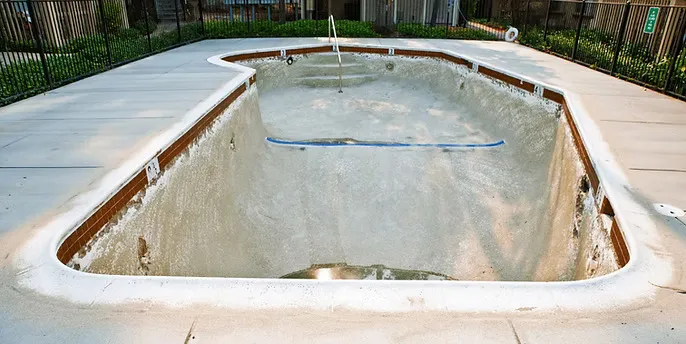

We understand that identifying structural problems early is the key to avoiding costly pool damage and unnecessary expenses. Gunite pools are built for durability, but even the strongest structures can develop issues over time. Recognizing early warning signs allows homeowners to take action before minor problems require extensive gunite repair.
Why Early Detection of Gunite Issues Matters
We emphasize early detection because small defects can quickly escalate into major structural failures. Addressing issues promptly reduces the need for extensive gunite repair and helps:
- Prevent high repair costs
- Maintain water efficiency
- Extend the lifespan of your pool
- Preserve overall appearance
Ignoring early symptoms often leads to complex and expensive gunite repair projects.
Visible Cracks: The First Warning Sign
Hairline vs Structural Cracks
We recommend inspecting your pool regularly for cracks:
- Hairline cracks are minor but should be monitored
- Structural cracks indicate deeper issues and often require immediate gunite repair
Cracks that widen or spread are a clear indication of underlying structural stress.
Where to Look for Cracks
Focus on critical areas:
- Pool floor and walls
- Corners and steps
- Around fittings and returns
Early identification helps minimize the extent of gunite repair needed.
Surface Deterioration and Texture Changes
Rough or Pitted Surfaces
We advise checking the texture of your pool surface. Roughness or pitting may indicate:
- Chemical damage
- Surface erosion
- Early material breakdown
These conditions often signal the need for gunite repair before further deterioration occurs.
Flaking and Peeling
Peeling or flaking surfaces suggest delamination, where layers begin to separate. Without timely gunite repair, this can lead to deeper structural issues.
Water Level Changes and Leak Indicators
Unexplained Water Loss
We highlight that abnormal water loss is one of the most common signs of structural problems. If your pool requires frequent refilling, it may indicate a leak that needs gunite repair.
Other indicators include:
- Wet areas around the pool
- Sudden increases in water bills
- Persistent damp spots in the surrounding soil
Dye Testing for Leak Detection
Using dye near suspected cracks can reveal water movement. If the dye is drawn into the surface, it confirms a leak that likely requires gunite repair.
Stains and Discoloration
Types of Pool Stains
We encourage monitoring unusual stains that may indicate deeper issues:
- Rust stains suggesting corroding reinforcement
- Dark patches from moisture or algae intrusion
- White scaling from mineral deposits
Persistent staining may signal internal damage requiring professional gunite repair.
Hollow Spots and Structural Weakness
How to Identify Hollow Areas
We recommend tapping the pool surface lightly. A hollow sound may indicate:
- Voids beneath the surface
- Weak bonding between layers
- Structural instability
These areas are vulnerable and often require immediate gunite repair to prevent collapse.
Tile and Coping Movement
Loose or Shifting Tiles
Tile movement is often an early indicator of structural issues. Watch for:
- Cracked or detached tiles
- Gaps forming along the waterline
- Uneven tile alignment
These symptoms often point to underlying problems that require gunite repair.
Coping Separation
If coping begins to separate from the pool shell, it may indicate soil movement or structural stress—both of which can lead to significant gunite repair if not addressed early.
Deck Cracks and Surrounding Damage
We advise inspecting the surrounding deck for cracks or shifting. These issues may signal:
- Ground movement
- Drainage problems
- Pressure on the pool structure
Addressing these signs early can reduce the need for extensive gunite repair later.
Common Causes Behind Gunite Issues
Understanding the root causes helps prevent future problems:
- Soil expansion and contraction
- Poor construction techniques
- Improper water chemistry
- Hydrostatic pressure buildup
- Natural aging and wear
These factors often contribute to conditions that eventually require gunite repair.
Preventative Maintenance Strategies
Routine Inspections
Regular inspections allow early detection of minor issues before they require major gunite repair.
Balanced Water Chemistry
Maintaining proper chemical levels prevents surface damage and reduces the likelihood of needing gunite repair.
Proper Drainage Systems
Effective drainage minimizes pressure around the pool, helping avoid structural damage and costly gunite repair.
Professional Assessments
Periodic expert evaluations ensure hidden issues are identified early, preventing extensive gunite repair in the future.
When to Call a Professional
We recommend seeking expert help if you notice:
- Expanding cracks
- Continuous water loss
- Significant surface deterioration
- Structural shifting
Timely intervention ensures the right gunite repair solution is applied before damage worsens.
Conclusion: Prevent Costly Repairs with Early Action
We believe proactive monitoring is the most effective way to avoid expensive structural damage. By identifying early warning signs such as cracks, leaks, and surface wear, you can take action before issues escalate into major gunite repair projects.
A well-maintained pool remains safe, durable, and visually appealing, allowing you to enjoy your investment without unexpected costs or disruptions.


























Sign in to leave a comment.