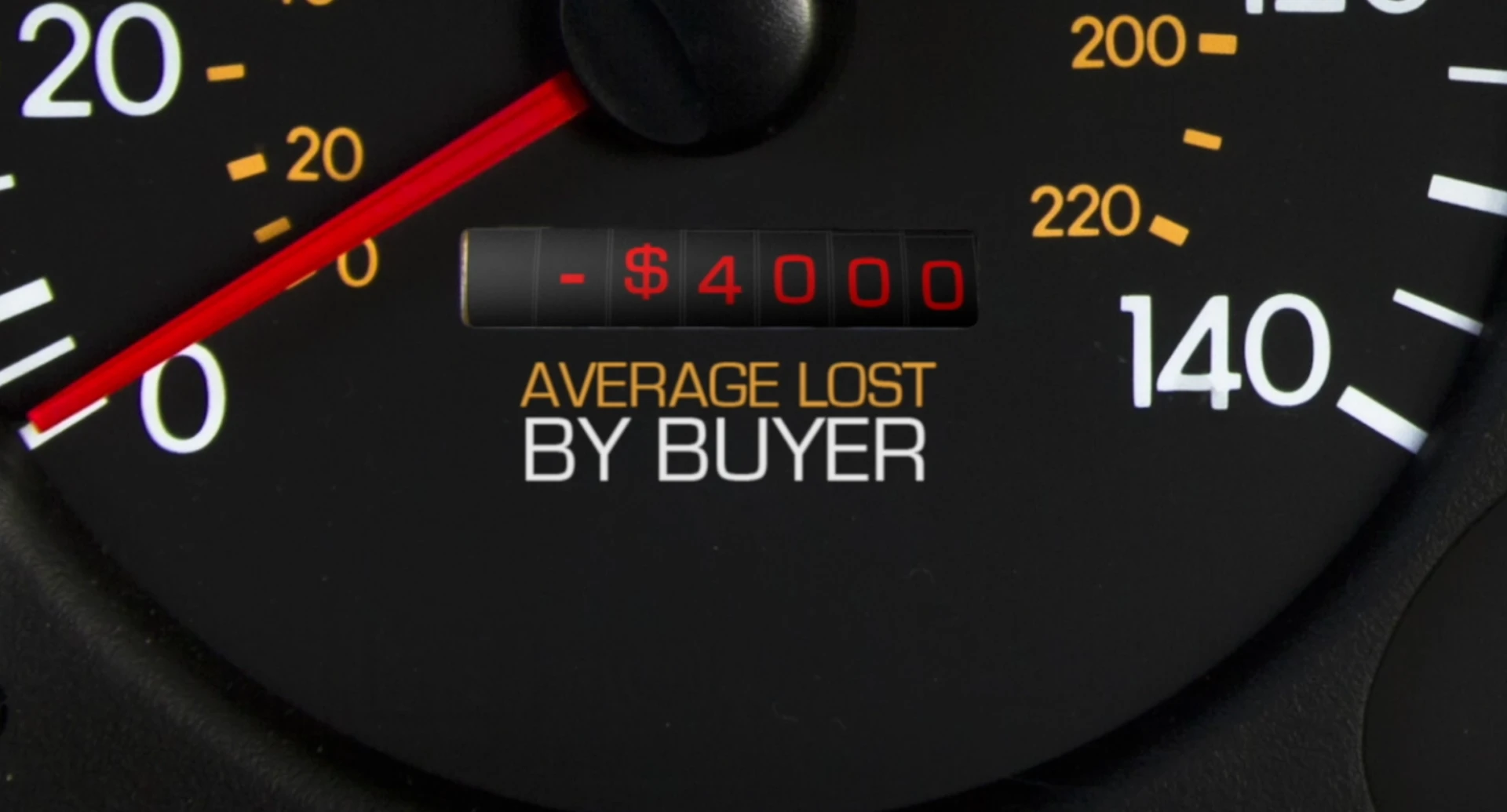

Buying a used car is a smart choice for many people, but it can also be risky if the seller is dishonest. One of the most common tricks used in the market is odometer rollback fraud, where the mileage reading is changed to make the car appear newer than it really is. Since mileage is often used to judge the value and condition of a car, this fraud can make buyers pay much more than they should. It not only wastes money but can also put the buyer’s safety at risk. Understanding how odometer rollback works and learning to spot it is the best way to protect yourself before making a purchase.
What Is Odometer Rollback Fraud?
Odometer rollback fraud happens when a seller tampers with the mileage reading on a vehicle’s odometer to show fewer miles than it has actually traveled. Older cars with mechanical odometers could be manipulated by physically rolling back the numbers, while modern vehicles with digital systems can be altered using illegal software tools. A car with fewer miles appears to be in better condition and therefore sells for a higher price. Sadly, buyers often do not realize that the car has been driven far more than what the odometer shows, which means more wear, more repairs, and higher long-term costs.
Why Odometer Fraud Is a Serious Problem
The dangers of odometer fraud go beyond paying an unfair price. Mileage affects almost every part of a vehicle, from the engine to the brakes and suspension. A car that has been driven more than advertised is likely to need repairs sooner, which can be very costly for the new owner. In addition, high-mileage vehicles may pose safety risks if critical parts have worn down without proper maintenance. For example, worn tires or weak brakes may fail suddenly, leading to accidents. Fraudsters who hide mileage are not just stealing money—they are also putting drivers and passengers in danger.
Common Signs of Odometer Rollback Fraud
The good news is that odometer fraud can often be spotted if you know what to look for. One clear sign is inconsistent wear and tear. A car showing low mileage should not have worn-out seats, pedals, or steering wheels. If these parts look older than the odometer suggests, it’s a red flag. Service records can also tell the truth. Every time a car is serviced, its mileage is usually recorded. If there are sudden drops in the numbers or missing documents, the car’s history may have been tampered with. In older cars, misaligned odometer digits can signal tampering, while in digital cars, flickering numbers or resets may point to fraud. For more details, you can check this full guide on how to spot odometer rollback fraud, which covers the most common warning signs buyers should never ignore.
How to Protect Yourself from Odometer Fraud
Protecting yourself from odometer fraud starts with doing your homework. Always request a vehicle history report before buying a used car. These reports gather mileage records from inspections, registrations, and services, making it easier to detect inconsistencies. Another strong step is getting a trusted mechanic to inspect the car. Mechanics can quickly tell if the wear on the engine, brakes, or tires matches the mileage shown. It also helps to compare the car with similar models of the same age. If most cars of that year have around 100,000 miles but the one you’re looking at only shows 40,000, it’s worth being suspicious. Taking these simple steps can save you from losing money and buying a car that may not be safe.
Why Awareness Matters
Odometer rollback fraud continues to be a problem worldwide, even though technology has advanced. Scammers keep finding ways to trick buyers, which is why awareness is the best protection. By learning the signs, checking documents carefully, and avoiding deals that look too good to be true, buyers can greatly reduce their risk. Being cautious does not mean you should avoid buying used cars altogether—it simply means you should take your time and verify everything before making a decision. A little extra effort can prevent big problems later and help you find a car that is worth your investment.
FAQs About Odometer Rollback Fraud
1. Can digital odometers be rolled back?
Yes. Even though digital odometers are harder to tamper with than mechanical ones, fraudsters can still use illegal software to change the mileage reading.
2. What is the easiest way to detect odometer fraud?
The easiest and most reliable way is to check the vehicle history report, which contains official mileage records. If the current reading is much lower, it may be fraud.
3. Is odometer rollback illegal?
Yes. Odometer tampering is illegal in most countries and can result in heavy fines or even jail time for the person committing the fraud.








Sign in to leave a comment.