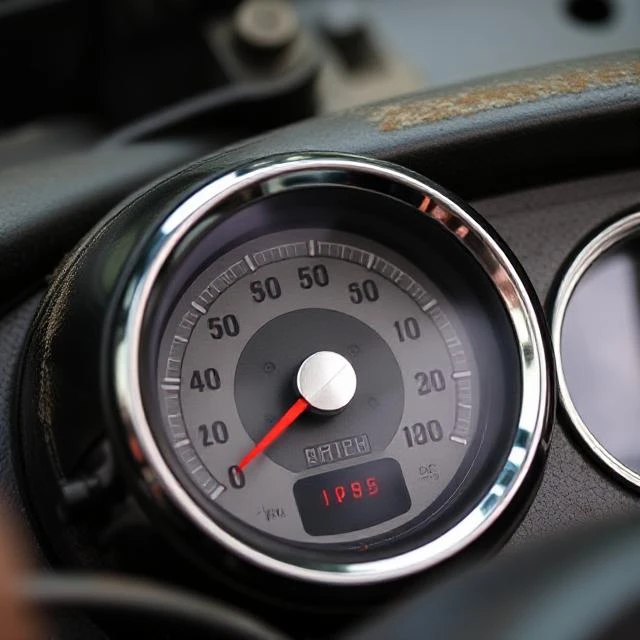

Odometer tampering, or "clocking," has become increasingly common in recent years, largely due to technological advancements and the growing demand for used cars. This fraudulent practice involves rolling back a vehicle’s odometer to display a lower mileage, making the car appear less used and more valuable. With more buyers turning to the second-hand market for affordable options, the incentive to manipulate mileage has never been greater.
One major reason for the rise in odometer fraud is the financial gain it offers to unscrupulous sellers. A vehicle with lower mileage can command a significantly higher price, sometimes adding thousands of dollars to its resale value. Buyers are often willing to pay a premium for a car that appears to have less wear and tear, making it easier for dishonest dealers and individuals to profit from deception.
The shift to digital odometers has also contributed to the problem. While older mechanical odometers required physical manipulation, modern digital versions can be altered using specialized software and tools. This technology, once limited to automotive professionals, is now readily available online, making it easier for fraudsters to reset mileage without leaving obvious signs of tampering.
Another factor is the lack of strict regulations and enforcement in many regions. While odometer fraud is illegal in most countries, enforcement agencies often struggle to detect and prosecute offenders. Many cases go unnoticed because buyers don’t always verify a vehicle’s history, and fraudulent sellers take advantage of these gaps in oversight.
Leasing companies and rental agencies are also indirectly fueling the rise in odometer tampering. Many leased vehicles have mileage limits, and exceeding these limits results in hefty penalties. Some individuals resort to rolling back odometers before returning the car to avoid extra charges, contributing to the widespread nature of the problem.
The growth of online car sales has further exacerbated the issue. Buyers often rely on photos and descriptions without physically inspecting the vehicle, making them more vulnerable to fraud. Since online marketplaces do not always verify mileage claims, scammers can easily manipulate numbers without immediate consequences.
Consumer ignorance also plays a role in the prevalence of odometer fraud. Many buyers do not know how to check a vehicle’s history or spot signs of tampering. Without proper due diligence, they unknowingly purchase cars with altered mileage, perpetuating the cycle of fraud.
Ultimately, odometer tampering remains a widespread issue because of the combination of financial incentives, technological accessibility, weak enforcement, and consumer unawareness. To combat this growing problem, buyers must educate themselves, use vehicle history reports, and insist on professional inspections before making a purchase. Governments and online platforms must also strengthen regulations and improve detection methods to protect unsuspecting consumers from falling victim to this costly scam. The victim customers should also take help from Odometer Fraud Attorney Florida costly who can help you file a legal complaint and save you from financial loss.




























Sign in to leave a comment.