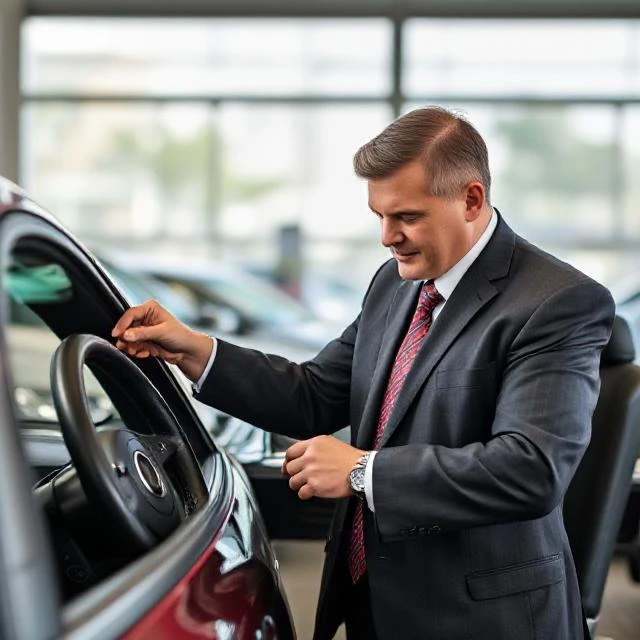

Odometer fraud is a deceptive practice where a vehicle’s mileage reading is illegally rolled back to make it appear less used than it actually is. This scam can lead buyers to overpay for a car that has far more wear and tear than advertised. To protect yourself from odometer fraud, it's essential to be aware of warning signs and take preventive measures before purchasing a used vehicle. Here are some effective ways to avoid falling victim to this common scam.
1. Check the Vehicle History Report
One of the easiest ways to detect odometer fraud is by obtaining a vehicle history report from reputable sources like Carfax or AutoCheck. These reports compile data from insurance companies, DMV records, and service centers to track a car’s mileage over time. If the odometer reading is inconsistent with the reported history, it’s a red flag that the mileage may have been tampered with.
2. Inspect Maintenance and Service Records
A well-maintained car should have service records that document mileage at various points in time. Ask the seller for receipts of oil changes, tire rotations, or other repairs, and compare the recorded mileage with the odometer reading. If the numbers don’t match up or if the records are missing altogether, it could be a sign that the mileage has been altered.
3. Examine the Odometer Itself
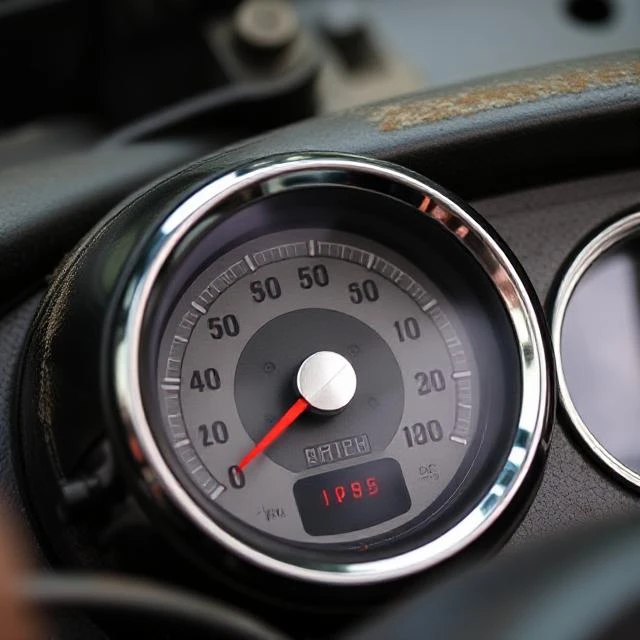
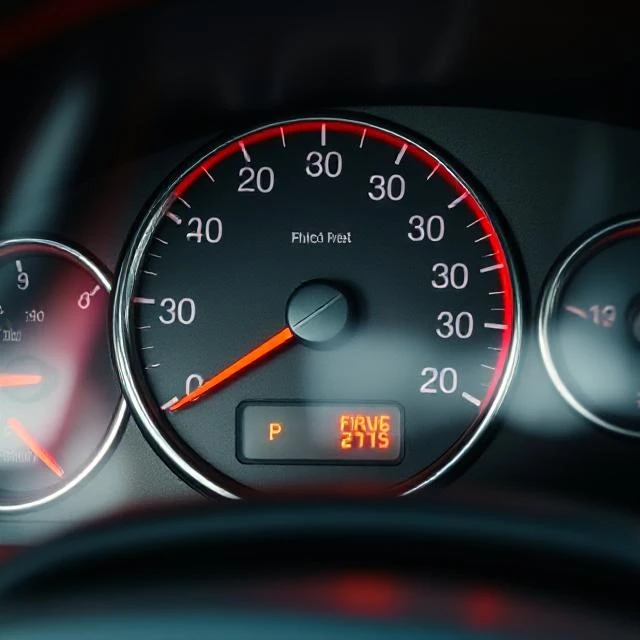
Older cars with mechanical odometers may show signs of tampering, such as misaligned or unevenly spaced numbers. In modern digital odometers, fraudsters use electronic tools to alter the display, which can be harder to detect. However, unusual wear around the dashboard or inconsistent lighting on a digital screen may indicate an attempted rollback.
4. Compare Mileage with Vehicle Condition
A car’s interior and exterior condition should generally align with its mileage. For example, a vehicle with only 50,000 miles shouldn’t have excessive wear on the steering wheel, pedals, or driver’s seat. If the odometer claims low mileage, but the car looks significantly worn, it’s a strong indication that the mileage has been altered.
5. Look Up State Inspection and Title Records
Many states require annual inspections that record a vehicle’s mileage. You can check with the local Department of Motor Vehicles (DMV) to see if past mileage readings match the current odometer reading. Additionally, a vehicle title may note if it has been marked as “Exempt” or “Not Actual Mileage,” which are signs that the odometer reading may not be reliable.
6. Have a Trusted Mechanic Inspect the Car
Before purchasing a used car, take it to a trusted mechanic for a thorough inspection. Professionals can spot signs of excessive wear on engine components, brakes, and suspension that may not align with the stated mileage. A mechanic can also check for electronic tampering on digital odometers, helping you verify the car’s actual condition.
7. Beware of Deals That Seem Too Good to Be True
If a used car is priced significantly lower than similar models with the same mileage, be cautious. Sellers engaging in odometer fraud may offer attractive deals to lure buyers into making a quick purchase without thorough inspection. Always research the market value of the vehicle and be skeptical of deals that seem unusually cheap.
8. Trust Your Instincts and Walk Away If Necessary
If something feels off about the transaction—whether it's the seller’s hesitation to provide documents, inconsistencies in mileage records, or visible wear that doesn’t match the odometer reading—it’s best to walk away. There are plenty of used cars on the market, and it's better to be safe than to regret a costly mistake later.
By taking these precautions, you can significantly reduce the risk of falling victim to odometer fraud. Always do your research, verify mileage records, and trust professional inspections before finalizing any used car purchase. You can also consult Odometer Fraud Attorney Washington who know what to do practically to avoid such auto related scams.




























Sign in to leave a comment.