

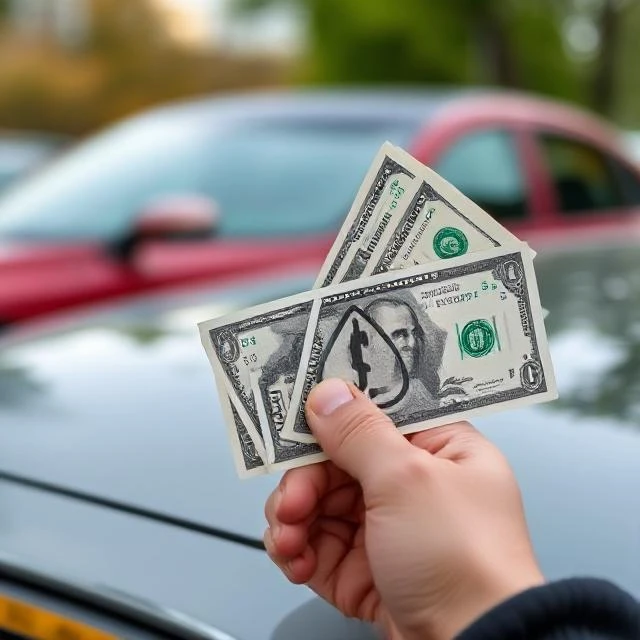
Car shopping is supposed to be an exciting experience, but some dealerships turn it into a nightmare with deceptive pricing tactics. While most dealerships operate honestly, some engage in fraud by using misleading statements about vehicle prices. These tactics often leave buyers paying far more than they expected. If you're in the market for a car, it's crucial to recognize these schemes before they drain your wallet.
1. The Classic Bait-and-Switch
One of the most common tricks involves advertising a car at an unbelievably low price to lure buyers in. When customers arrive, they’re told that the advertised vehicle has already been sold, but a "similar" (and much more expensive) model is available. This tactic forces unsuspecting buyers into paying more than they originally planned.
2. Hidden Fees and Sudden Add-Ons
A dealership might advertise a vehicle at a competitive price, only for buyers to discover hidden fees during the final paperwork. These fees could be disguised as "dealer prep charges," "destination fees," or "administrative costs." While some charges are legitimate, dishonest dealers inflate or create unnecessary fees to boost their profits.
3. The Fake Discount Strategy
Another misleading tactic involves inflating the original price of the car to make a discount seem more significant. For example, a dealership might claim a vehicle’s regular price is $30,000 when, in reality, its market value is only $27,000. By offering a so-called "$3,000 discount," they trick customers into thinking they're getting a great deal when they’re actually paying full price.
4. Low Monthly Payments with Hidden Costs
Some dealerships focus on promoting ultra-low monthly payments while conveniently hiding the long-term cost. A buyer might agree to a seemingly affordable $299 monthly payment, only to later realize they’ve signed up for an extended loan with high interest, resulting in thousands of extra dollars paid over time.
5. Misleading Trade-In Evaluations
When customers trade in their old cars, some dealerships understate the vehicle's value while falsely claiming they are giving the "best possible offer." Meanwhile, they inflate the price of the new car to make up for the supposed trade-in discount. This way, the buyer unknowingly overpays.
6. False Manufacturer Rebates
Some dealerships falsely claim that a vehicle qualifies for a manufacturer rebate that doesn't actually exist. This is often done verbally, so when the paperwork is finalized, the rebate mysteriously disappears, leaving the buyer stuck with a higher price than expected.
7. The “Market Adjustment” Scam
In high-demand situations, dishonest dealerships add a "market adjustment fee" to inflate the price above the MSRP (Manufacturer’s Suggested Retail Price). While supply and demand do affect pricing, some dealerships exploit this practice by making it seem mandatory, even when there’s no real justification for the extra charge.
8. Deceptive Online Prices
Many buyers research prices online before visiting a dealership. Some dealerships take advantage of this by listing unrealistically low prices that don’t include required add-ons, fees, or even necessary features. Once buyers arrive, they realize the advertised price was misleading, and they have no choice but to pay more.
9. Falsely Claiming Financing Requirements
Some dealers advertise a great price but later claim it's only available if the buyer finances through them at a much higher interest rate. If the buyer tries to pay in cash or use their own financing, the price suddenly increases. This tactic forces customers into unfavorable loan terms that benefit the dealership.
10. Misrepresenting Special Offers
Lastly, dealerships sometimes advertise exclusive promotions or limited-time deals that don’t actually exist. They use these false statements to create urgency, pushing buyers into rushed decisions without carefully evaluating the actual cost of the vehicle.
Final Thoughts
Fraudulent dealerships use these deceptive tactics to take advantage of unsuspecting buyers, but awareness is the best defense. Always read the fine print, research market prices, and be prepared to walk away if something seems suspicious. A good deal should be transparent and honest—not a financial trap disguised as a bargain. If some how you fall victim to such auto fraud then consult an Auto Dealer Fraud Attorney Florida who can guide you on how to protect yourself from such fraud dealerships.






























Sign in to leave a comment.