

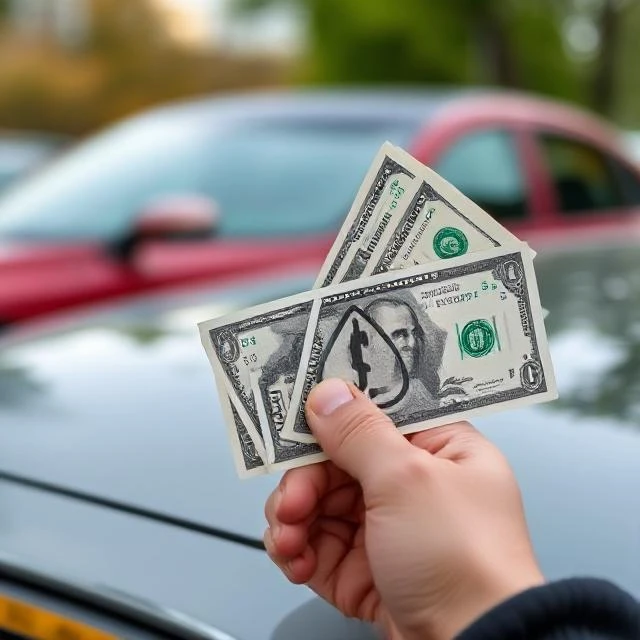
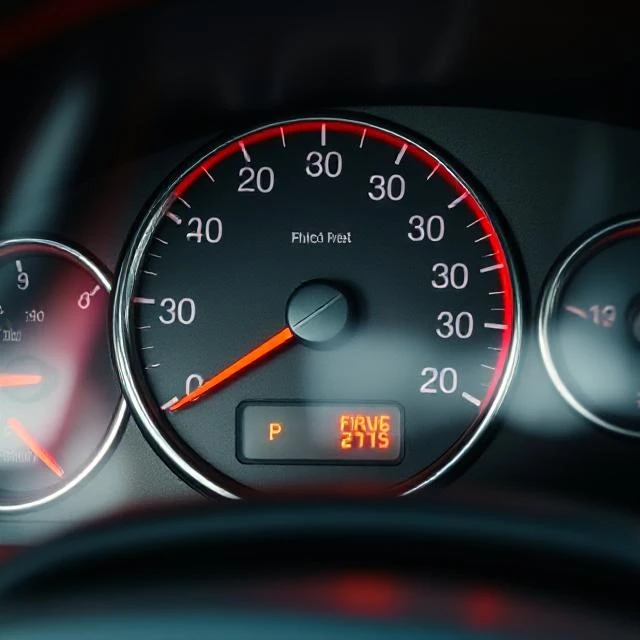
Car sales fraud isn’t exactly a new trick in the book, but in recent years, it’s become far more common — and sneakier. From shady odometer rollbacks to fake vehicle histories, the used car market in particular has become a breeding ground for scams. But why is this happening more often now? Let’s take a spin through the factors that are making car sales fraud more widespread than ever.
1. The Rise of Online Marketplaces
The shift toward online car sales has opened up tons of opportunities — not just for buyers and sellers, but unfortunately, for scammers too. Platforms like Craigslist, Facebook Marketplace, and even less regulated car auction sites allow fraudsters to mask their identity, post doctored photos, and vanish once the deal is done. Without the face-to-face accountability of traditional dealerships, it’s easier for shady transactions to slip through the cracks.
2. High Demand, Low Inventory
In the past few years, global supply chain disruptions have led to major shortages of new vehicles. This pushed more buyers into the used car market, driving up prices and making it a hotbed for fraud. Desperate buyers are more likely to rush into deals without thorough inspections or background checks, which scammers are quick to exploit.
3. Lack of Consumer Knowledge
Let’s be real — most people don’t know much about cars beyond how to drive them. That lack of technical knowledge makes it easy for dishonest sellers to fudge details about a car’s condition, title status, or service history. Add in confusing jargon and fast-talking sales tactics, and even cautious buyers can be duped into thinking they’re getting a great deal.
4. Weak Regulation and Enforcement
While there are laws in place to protect consumers from vehicle fraud, enforcement is a whole different story. Regulatory agencies often lack the resources to pursue individual fraud cases, especially when transactions happen between private parties. This patchy oversight gives scammers confidence that they’ll likely get away with it — or at least not face serious consequences.
5. Technology Makes It Easier to Fake
It’s not just buyers who are getting smarter — scammers are too. Advanced editing tools, digital odometer tampering devices, and fake CARFAX report generators have made it surprisingly easy to forge documents or hide a vehicle’s real history. When buyers rely on documents rather than inspections, they might never realize they’ve been conned until it’s way too late.
6. Pressure to Save Money
With inflation and economic uncertainty squeezing wallets, many buyers are more focused on finding a “steal” than spotting red flags. Fraudsters know this — and they prey on people’s desire to save. Too-good-to-be-true deals, “must-sell-now” stories, and fake urgency are all classic tactics that continue to work because, well, people want to believe they’re getting lucky.
7. What Can Be Done?
While it’s unlikely car sales fraud will disappear entirely, awareness is key to slowing it down. Buyers should prioritize pre-purchase inspections, use trusted escrow services for private sales, and stick to reputable dealers whenever possible. If still happens something wrong with the deal, you can consult Car Sales Fraud Attorney for accurate guidance and legal support.





























Sign in to leave a comment.