

The rental market in California—especially in hotspots like Los Angeles, San Jose, and the SF Bay Area—is more competitive than ever. As more people search for housing online, the risk of encountering rental scams has dramatically increased. From fake listings to impersonated landlords, these scams cost renters millions each year. Whether you're looking for apartments for rent in Los Angeles, exploring rooms for rent in SF Bay Area, or using a college roommate finder, knowing how to identify fraud is essential to staying safe.
At Rental Buddy AI, we’re committed to making the rental experience smarter and safer. This guide will help you learn how to spot red flags, protect your personal information, and confidently navigate the online rental space.
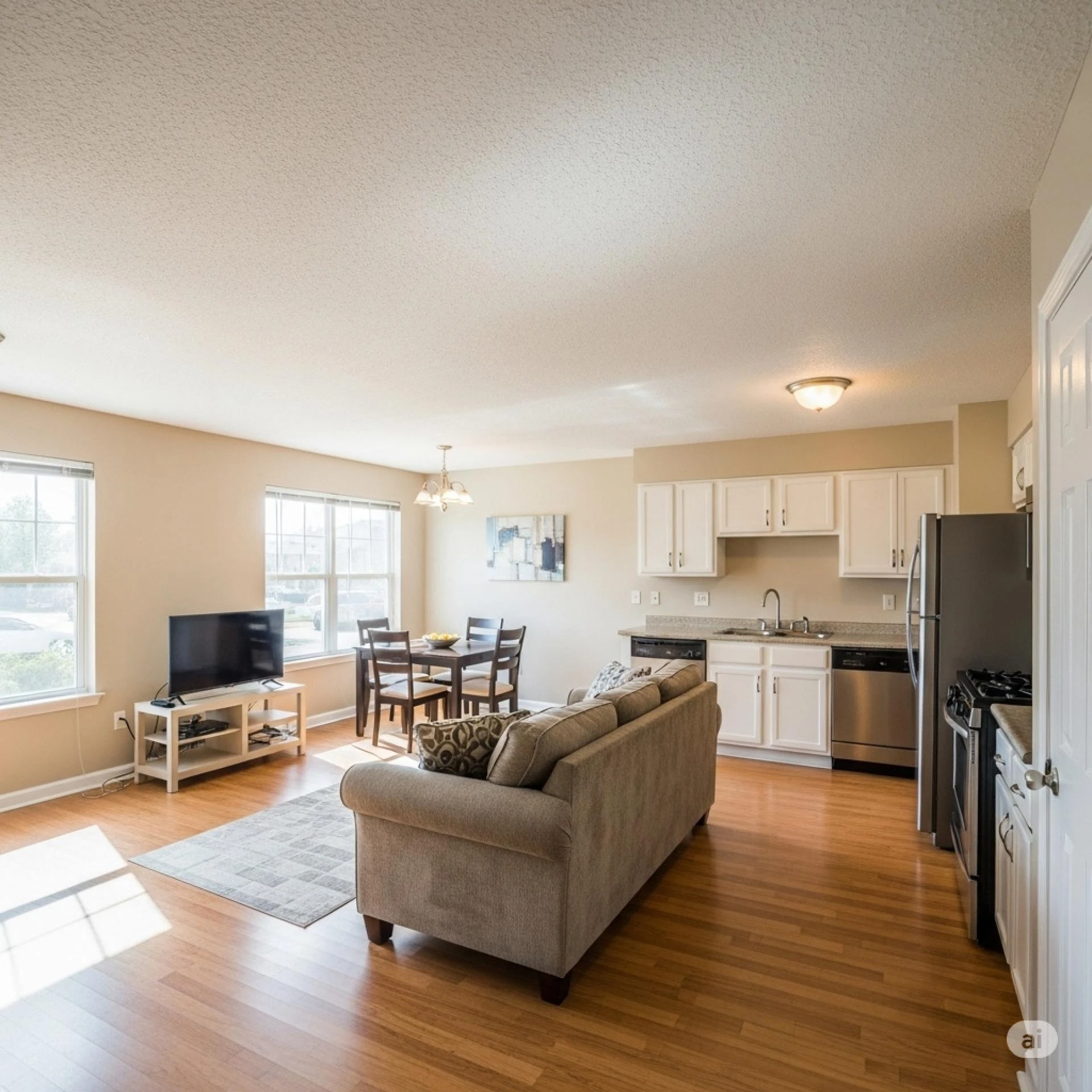
Why Rental Scams Are on the Rise
The internet has made it easier than ever to find a place to live, but it’s also given scammers the tools to create fake listings that look legitimate. Platforms like Craigslist, Facebook Marketplace, and even smaller classified sites are often unregulated, making them hotspots for deceptive rental activity.
Scammers prey on urgency and scarcity—two feelings renters often face in popular areas like Los Angeles or San Jose, where good housing goes fast. They may promise affordable student housing in Los Angeles or offer luxury listings at unbelievable prices to lure you in. Once they have your attention, they try to pressure you into sending money or sensitive documents before you've even seen the unit.
1. Too Good to Be True? It Probably Is.
If you see a beautifully furnished apartment in a prime area of LA for half the market rate, be cautious. Scammers use enticing prices to draw in desperate renters.
Watch out for:
- Rent significantly lower than similar listings
- No background checks required
- Immediate availability with little documentation
Before sending any money or filling out an application, compare the listing with other apartments for rent in Los Angeles. If it’s too far below market value, it’s likely a scam.
2. Photos That Don’t Match or Look Stock
Many scammers copy images from real listings or use photos of properties that aren't actually for rent.
Spot fake photos by:
- Doing a reverse image search on Google
- Looking for inconsistencies (e.g., weather in photos doesn’t match location)
- Checking for watermarks from real estate sites
If you're searching for rooms for rent in SF Bay Area, ensure that the photos look authentic and align with the property's location and amenities.
3. No In-Person Tours or Video Walkthroughs
A major red flag is when the "landlord" or "agent" claims they’re out of town and can’t show you the place. They'll often offer to send you the keys after payment—don’t fall for it.
Legitimate landlords will:
- Schedule an in-person or virtual tour
- Answer your questions directly
- Allow you to see the unit before any money exchanges hands
This is especially important if you’re using a roommate finder in San Jose or trying to rent a room remotely. Always verify the address and request a live video tour if you can't attend in person.
4. Pressure to Act Fast or Send Money Upfront
Scammers often create a false sense of urgency, insisting that you wire a deposit or application fee to "secure" the rental.
Be cautious if:
- You're asked to pay via wire transfer, gift cards, or crypto
- The "landlord" is pushing you to act immediately
- You're told someone else is ready to take the place if you hesitate
In the competitive college housing market, urgency is real—but never send money without verifying ownership and viewing the unit. Trustworthy platforms like Rental Buddy AI offer secure payment and messaging systems to help avoid this issue.
5. Missing or Incomplete Lease Agreements
A scammer might offer a vague or poorly written lease—or none at all. A legal rental agreement in California should include specific terms and disclosures.
A legitimate lease should include:
- Names of all parties
- Lease start/end dates
- Rent amount, payment method, and due dates
- Security deposit details
- Property address and amenities
Whether you're moving into affordable student housing in Los Angeles or signing a lease for a high-rise in downtown LA, make sure you receive and review a proper lease.
6. No Proof of Ownership or Management
Scammers often pretend to be property owners or leasing agents without any connection to the property.
How to verify ownership:
- Search the property on your county's Assessor or Property Records website
- Ask for ID and proof of ownership or management credentials
- Cross-check names on official documents
If you're securing housing through a college roommate finder, make sure your potential landlord or roommate has the right to rent out the property.
7. Unprofessional Communication
Scammers often use generic, error-filled emails and avoid answering direct questions.
Red flags in communication:
- Vague answers or dodging your questions
- Requests to move conversations off-platform quickly
- Poor grammar or inconsistent messaging
If you’re interacting with someone over a roommate finder or housing app and things start to feel off, trust your gut and walk away.
8. No Background or Credit Checks
Any legitimate landlord in California will want to screen tenants. If someone skips this step and pushes for immediate payment, it’s likely a scam.
Expect to provide:
- ID verification
- Rental history
- Income/employment info
- Credit check authorization
Platforms like Rental Buddy AI include these steps by default, helping landlords identify qualified applicants while keeping renters safe.
9. Check Reviews and Report Suspicious Listings
Many scam listings use burner email addresses and disappear quickly—but if you're searching on reputable platforms, you can still check for previous complaints.
How to research:
- Google the property address to see if it's listed elsewhere
- Look for reviews of the landlord or management company
- Report suspicious listings to the platform and the FTC
Your caution helps others avoid the same trap. If you’re looking for rooms for rent in SF Bay Area, always search through platforms with verified listings.
Conclusion
Renting online doesn’t have to be risky—but it does require vigilance. In competitive markets like Los Angeles and San Jose, renters often feel pressured to move fast. But taking time to verify the listing, request documentation, and communicate with transparency can save you thousands—and prevent you from falling into a trap.
At Rental Buddy AI, we believe finding a home should be exciting, not stressful. Our platform uses artificial intelligence to verify listings, vet applicants, and provide secure communication between landlords and tenants. Whether you’re using our tools to find affordable student housing in Los Angeles, search for rooms for rent in SF Bay Area, or connect via our college roommate finder, Rental Buddy AI helps you rent with confidence.
Stay safe, stay smart—and always do your research before you rent.

























Sign in to leave a comment.