Quick Overview
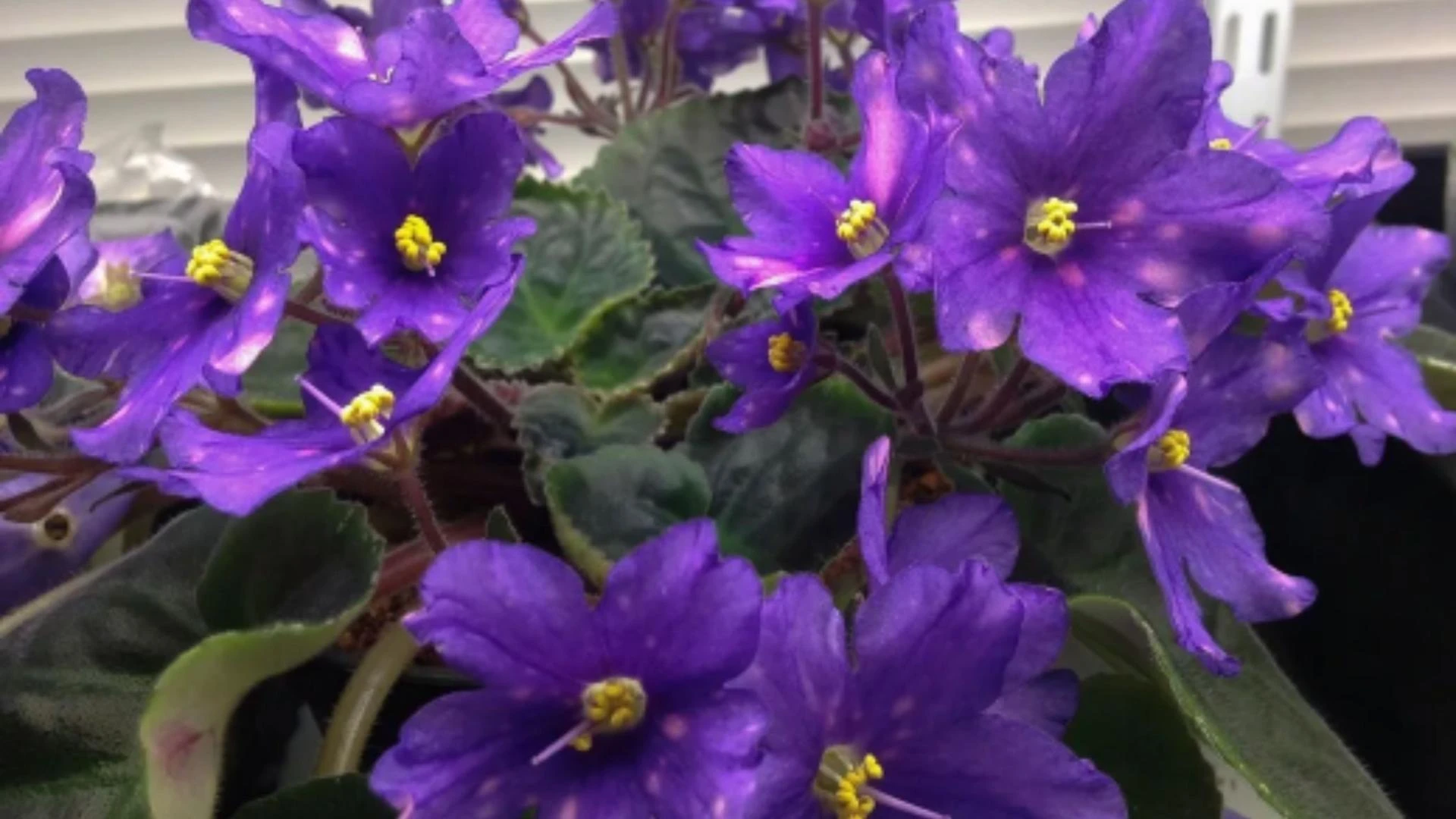
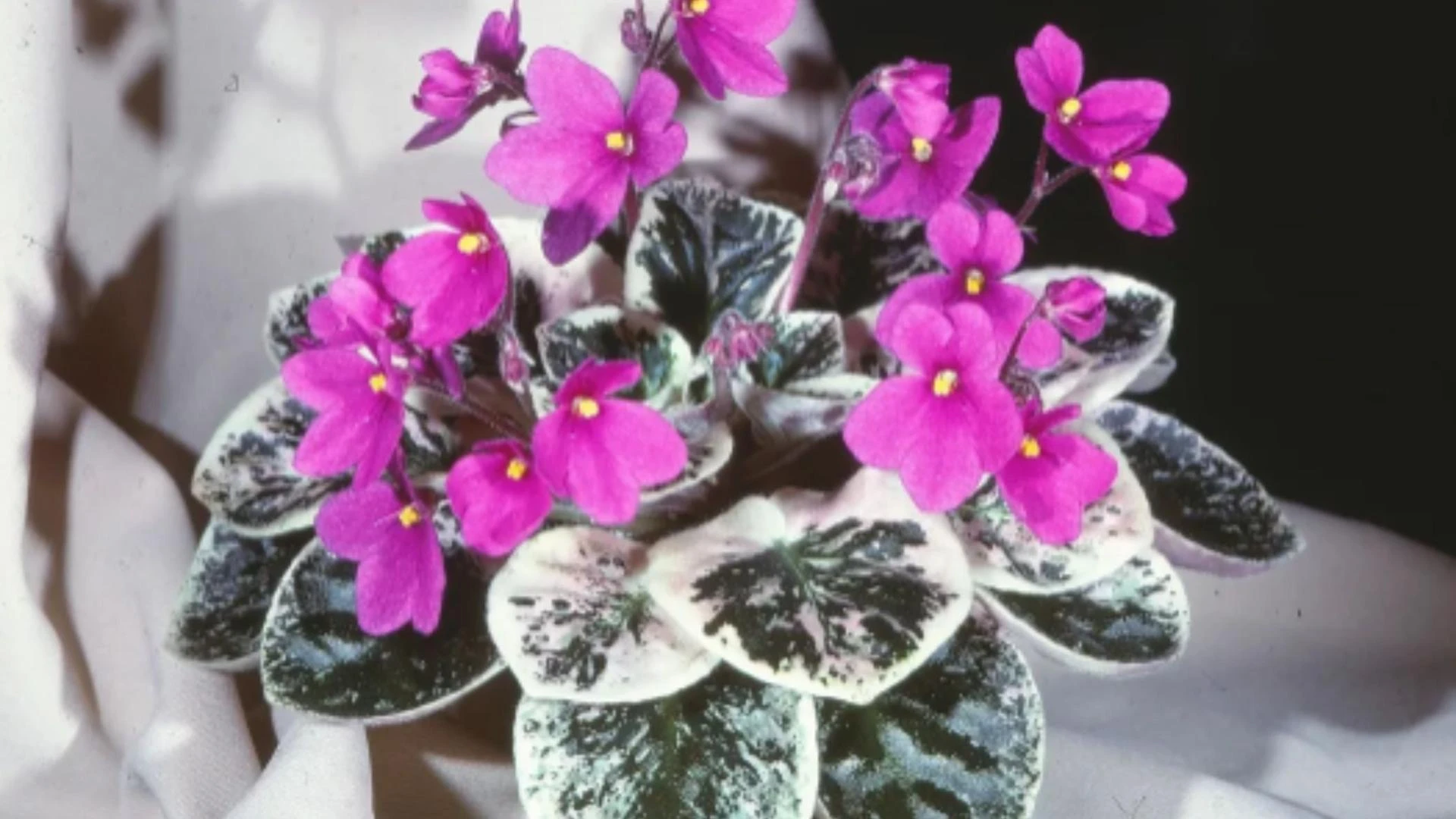
A school project with African violet seeds can teach students about plant biology, responsibility, and patience. African violets are small, easy-to-grow, and produce beautiful blooms, making them perfect for classroom experiments. Many teachers and students often search for African violet seeds nearby to get the best quality seeds for their project.
This guide explains how to start a school project with these seeds, from preparation to care, and how to ensure seedlings grow strong and healthy. It also includes tips for observation and documentation, making it a complete learning experience for students.
Table of Contents
- Benefits of African Violet School Projects
- Selecting the Right Seeds
- Choosing Soil and Containers
- Preparing the Seeds for Planting
- Planting African Violet Seeds
- Light, Temperature, and Watering
- Monitoring Growth and Observations
- Common Challenges and Solutions
- Documenting the Project for Science Class
- Tips for Successful Project Completion
- Summary
- Sourcing Reliable Seeds
Benefits of African Violet School Projects
School projects using African violets teach students important lessons about biology, ecology, and plant care. Students learn how seeds germinate, how plants grow, and the factors that affect plant health. According to educational research, hands-on plant projects improve student engagement and understanding of scientific concepts.
Additionally, observing the growth of African violets encourages patience and responsibility. Students see the results of consistent care, which can increase their interest in gardening and science.
Selecting the Right Seeds
The first step is to select the right seeds. Quality matters because poor seeds may not germinate or produce weak seedlings. Teachers should look for genuine sources and check reviews or recommendations. Some students and teachers search for typing ‘African violet seeds near me’ online to find local suppliers with fast delivery.
Choosing beginner-friendly varieties or small compact types is ideal for school projects. These seeds are easier to manage and grow quickly, which helps maintain student interest throughout the project.
Choosing Soil and Containers
African violets need well-draining soil that retains moisture but does not get soggy. A common mix includes peat moss, perlite, and fine compost. Using shallow containers like seed trays or small pots is recommended because the seeds are tiny and roots are delicate.
Clean containers reduce the risk of mold or disease. Proper soil and container selection are crucial to achieving strong seedlings.
Preparing the Seeds for Planting
Before planting, it is important to handle seeds carefully. African violet seeds are extremely small and should be handled gently. Some teachers prefer to moisten the soil slightly before sowing to help seeds adhere and stay in place.
Labeling containers with the seed variety and sowing date helps students track progress and record observations accurately. Proper labeling also reduces confusion when multiple students work on the project.
Planting African Violet Seeds
Planting is simple but requires attention to detail. Scatter the seeds lightly on the soil surface without covering them because they need light to germinate. Gently mist the seeds with water to keep them in place and maintain soil moisture.
Covering the trays with a transparent lid or plastic wrap creates a humid environment that improves germination. Germination usually occurs within 10 to 14 days, depending on the seed variety.
Light, Temperature, and Watering
Light is critical for seedling growth. African violets need bright, indirect light. Using fluorescent or LED lights can supplement sunlight, especially in classrooms with limited windows. Temperature should be maintained around 70 to 75 degrees Fahrenheit.
Watering must be consistent. Soil should be kept moist but not soggy. Overwatering can lead to mold, while underwatering can prevent seedlings from growing. Mist carefully to avoid washing seeds away.
Monitoring Growth and Observations
Students should observe their seedlings daily. Recording details like leaf color, plant height, and number of leaves helps them understand plant development. Observations can be recorded in notebooks, charts, or even with photos for a visual record.
Tracking growth allows students to analyze patterns, learn about environmental factors, and develop scientific thinking skills.
Common Challenges and Solutions
Some common challenges include:
- Mold or fungus: Reduce humidity and ensure proper ventilation
- Slow germination: Check temperature and light conditions
- Leggy seedlings: Provide more light or adjust light distance
- Wilting: Monitor watering frequency and soil drainage
Addressing these issues promptly ensures seedlings stay healthy and grow properly.
Documenting the Project for Science Class
For school projects, documenting the entire process is important. Students can:
- Note the seed variety, planting date, and soil type
- Track germination dates and growth measurements
- Take weekly photographs of seedlings
- Record challenges and how they were solved
Documentation not only helps in grading but also teaches students about scientific reporting and observation skills.
Tips for Successful Project Completion
- Choose compact, beginner-friendly varieties for easy care
- Prepare soil and containers in advance to reduce delays
- Maintain consistent light, temperature, and watering routines
- Encourage students to work in small groups to share responsibilities
- Monitor seedlings closely and make adjustments as needed
- Be patient and allow sufficient time for seedlings to bloom
Following these tips ensures a smooth project and successful plant growth.
Summary
African violet school projects are engaging, educational, and rewarding. Proper seed selection, soil preparation, light management, and careful monitoring are key to success. Students learn about plant biology, responsibility, and scientific observation while enjoying the beauty of blooming African violets.
By following the steps outlined above, schools can create a structured, hands-on learning experience that is both fun and informative.
Sourcing Reliable Seeds
For teachers and students looking for high-quality seeds, Nadeau African Violet Seeds provides genuine seeds with clear planting instructions. Order today to start a successful school project and enjoy vibrant seedlings that thrive with proper care.



























Sign in to leave a comment.